
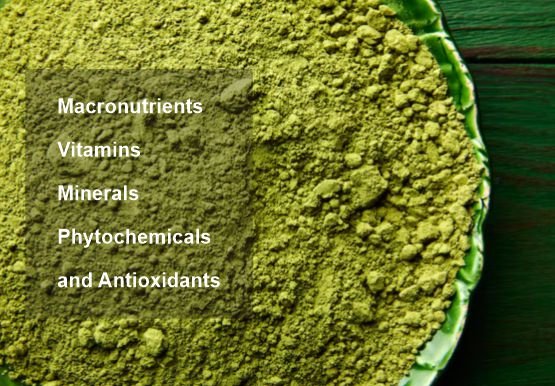
Moringa powder nutrition facts reveal vitamins, minerals, antioxidants, protein content, daily benefits, and why this green superfood supports energy naturally.
Moringa powder is derived from the leaves of the Moringa oleifera tree, a plant native to parts of Africa and Asia.
As you pay closer attention to what goes into your body, nutrient-dense foods matter more than ever.
Your meals can benefit from plant sources that supply vitamins, minerals, and protein without adding excess calories.
Many people turn to moringa powder for its vitamin A content, iron, calcium, potassium, antioxidants, and amino acids that support daily nutrition.
Added to smoothies, soups, or simple dishes, it fits easily into your routine.
The nutritional value of moringa powder supports energy, immunity, and muscle function, helping your diet feel more balanced while keeping food choices simple and practical.
Let’s examine the moringa powder nutrition facts.
Table of Contents
Macronutrient Profile of Moringa Powder
This section breaks down how calories, protein, carbohydrates, fiber, and fat in moringa powder support your daily nutrition, helping meals feel lighter while still supplying steady energy and key building blocks.
Calories and Energy Balance
Each serving delivers roughly 30 calories, letting your meals stay light while still adding value.
That low-calorie load fits weight management goals, supports clean eating plans, and allows moringa powder to blend into smoothies or foods without tipping daily calorie targets.
Plant-Based Protein Content
About 2 to 3 grams of protein per serving support muscle repair, enzyme activity, and tissue health.
Your body benefits from all nine essential amino acids, making moringa powder a smart protein source for plant-based diets and active lifestyles.
Carbohydrates for Steady Fuel
Roughly 1 gram of carbohydrates comes mostly from complex carbs, helping energy release stay steady.
Blood sugar spikes stay minimal, which suits low-carb eating, diabetes friendly meal planning, and balanced nutrition focused on long-lasting fuel.
Dietary Fiber Support
Close to 1 gram of fiber aids digestion, bowel regularity, and gut health.
Your meals gain bulk without heaviness, helping appetite control, cholesterol balance, and smoother digestion when moringa powder becomes part of daily food choices.
Low Fat Composition
Less than 1 gram of fat keeps overall intake modest while nutrients stay high.
This low-fat profile supports heart health, calorie control, and clean diet goals, making moringa powder easy to pair with both low-fat and balanced meal plans.
Recommended Posts
How Moringa Powder Benefits Health
Vitamins Present in Moringa Powder
This section highlights how key vitamins in moringa powder support daily health, helping your body meet nutrient needs tied to immunity, skin care, metabolism, and bone strength through regular food choices.
Vitamin A for Vision and Immunity
Strong vitamin A levels support eye health, skin renewal, and immune response.
Your body relies on this vitamin for clear vision and infection defense, especially when diets lack leafy greens.
Moringa powder adds a plant-based source that fits easily into meals.
Vitamin C for Immune Support
High vitamin C content helps your immune system respond better to daily stressors.
Iron absorption improves when meals include this vitamin, while antioxidant activity supports skin structure and tissue repair.
Adding moringa powder supports daily vitamin C intake naturally.
Vitamin E for Cell Protection
Vitamin E helps protect your cells from oxidative stress linked to aging and poor diet choices.
Skin health benefits from this antioxidant action, while immune cells gain added protection.
Moringa powder supplies this fat-soluble vitamin in modest, useful amounts.
Vitamin K for Bones and Blood Health
Vitamin K supports proper blood clotting and bone strength. Your body uses it to maintain healthy bones and support calcium use.
Including moringa powder in meals helps supply vitamin K from a natural plant source.
B-Complex Vitamins for Energy Use
B vitamins support metabolism, nerve function, and energy release from food.
Thiamine, riboflavin, niacin, folate, and related vitamins help your body turn meals into usable energy, making moringa powder helpful for balanced daily nutrition.
Minerals Found in Moringa Powder
This section explains how minerals in moringa powder support bones, muscles, blood health, and heart function, helping your body stay balanced through daily meals without relying heavily on fortified foods.
Calcium for Bone Strength
Roughly 200 milligrams of calcium per serving support bones, teeth, muscle movement, and nerve signals.
Your daily meals benefit from a plant source that helps maintain bone density, especially when dairy intake stays low or inconsistent.
Potassium for Heart and Balance
About 400 milligrams of potassium helps regulate fluid balance and support healthy blood pressure.
Your heart and muscles rely on this mineral for steady function, making moringa powder helpful for electrolyte balance and cardiovascular support.
Magnesium for Nerves and Muscles
Around 50 milligrams of magnesium assists muscle relaxation, nerve signaling, and energy release.
Your body uses this mineral in hundreds of reactions, supporting better sleep quality, reduced muscle tension, and smoother metabolic activity.
Iron for Blood Health
Close to 2.4 milligrams of iron support red blood cell production and oxygen transport.
Your energy levels benefit when iron intake stays steady, especially for plant-based diets where iron sources are limited.
Zinc and Phosphorus Support
Zinc aids immune response and wound repair, while phosphorus supports bones and energy metabolism.
Your cells rely on both minerals for repair and growth, making moringa powder a useful addition to mineral-focused meal planning.
Phytochemicals and Antioxidants
This section explains how plant compounds in moringa powder support cell health, immune balance, and daily protection by helping your body manage oxidative stress through regular, food-based nutrition choices.
Polyphenols and Cell Protection
Polyphenols in moringa powder help neutralize free radicals that damage cells.
Your body benefits from better cellular protection, supporting long-term wellness and reducing stress caused by poor diet and pollution exposure.
Flavonoids and Inflammation Control
Flavonoids support a balanced inflammatory response and protect blood vessels.
Your heart and circulation gain support through these compounds, helping daily meals contribute to steadier cardiovascular function and tissue repair.
Antioxidant Defense Support
Antioxidants in moringa powder assist your natural defense systems.
Cells stay better protected from oxidation linked to aging, fatigue, and metabolic strain, keeping internal balance steady with regular dietary intake.
Synergy of Plant Compounds
Phytochemicals work together inside whole foods. Your body absorbs them more efficiently when consumed from moringa powder, supporting immune response and nutrient use without relying on isolated synthetic sources.
Nutritional Comparison of Moringa Powder to Other Moringa Forms
This section compares moringa powder with leaves, seeds, and pods, showing how processing affects nutrient density, calorie load, and ease of use in your daily meals.
Moringa Powder vs Fresh Leaves
Drying concentrates nutrients, giving your meals more protein, minerals, and fiber per serving.
Compared to fresh leaves, moringa powder delivers higher nutrient density without increasing food volume or preparation time.
Moringa Powder vs Seeds
Seeds provide healthy fats but add more calories. Your diet benefits from moringa powder when protein, fiber, and micronutrients matter more than fat intake, especially for weight control and balanced eating plans.
Moringa Powder vs Pods
Pods contain vitamins and minerals but require cooking, which lowers nutrient levels.
Your meals retain more nutrition with moringa powder since no heat is needed before adding it to food.
Protein and Fiber Concentration
Moringa powder offers higher protein and fiber levels than other forms.
Your digestion, muscle repair, and appetite control gain support from this concentrated profile without relying on large servings.
Convenience and Daily Use
Powder form blends easily into foods. Your smoothies, soups, and baked dishes gain steady nutrients with minimal effort, making moringa powder the most practical option for consistent daily intake.
Conclusion
Moringa powder offers strong nutritional value through vitamins, minerals, protein, and antioxidants that support daily health.
Vitamin C and B vitamins aid immunity and energy use, while plant protein and amino acids support muscle repair.
Calcium, potassium, and iron contribute to bone strength, fluid balance, and oxygen transport.
Used in meals or drinks, it adds nutrients with little effort.
While helpful, moringa powder works best as part of a varied, balanced diet rather than a single solution for long-term health.
Frequently Asked Questions
How much moringa powder provides a full serving of protein?
About 1–2 tablespoons (10–20 grams) of moringa powder provides roughly 2–4 grams of plant-based protein, contributing to daily protein intake when added to meals or drinks.
Which vitamins are most abundant in moringa powder?
Moringa powder is richest in vitamins A, C, and E, along with B-complex vitamins. These nutrients are concentrated, making it a highly vitamin-dense supplement.
Can moringa powder replace other leafy vegetables for nutrition?
Moringa powder can supplement leafy vegetables, providing concentrated nutrients. However, it may not fully replace fresh vegetables’ fiber, water content, and variety in a balanced diet.
What is the typical fiber content per serving of moringa powder?
One tablespoon (about 10 grams) of moringa powder contains roughly 2 grams of dietary fiber, supporting digestive health and adding bulk when mixed into foods or beverages.
References