Tamarind Nutrition Facts: Sweet and Sour Calories, Vitamins, Minerals and More

Sweet and sour tamarind nutrition facts show calories, fiber, vitamins, minerals, antioxidants, and health benefits supporting digestion, energy, immunity, and wellness.

Food choices shape how your body feels each day, and tamarind nutrition fits neatly into that picture.

Tamarind, the tangy fruit, brings natural sugars, dietary fiber, plant compounds, vitamins, and minerals that support digestion, steady energy, and daily balance.

Meals feel more satisfying, gut health gets support, and micronutrient intake improves without extra effort.

Sweet and sour tamarind pulp also contains antioxidants and organic acids that work with your system, making it easy to include in sauces, drinks, and home cooking.

Paying attention to these nutrition facts helps your diet stay flavorful, balanced, and supportive of long-term wellness without changing familiar eating habits.

In this guide, you will learn tamarind nutrition facts of the sweet and sour varieties, to know how to understand how many benefits you are getting and what to avoid, if any.

Tamarind Nutrition Overview

Tamarind nutrition brings clarity to what your body receives from this fruit, covering calories, carbohydrates, fiber, natural sugars, and plant compounds that shape taste, digestion, and everyday food choices.

Snapshot of tamarind’s nutritional density

Nutritional density matters when every bite should count.

Tamarind pulp supplies carbohydrates for quick energy, dietary fiber for digestion, potassium and magnesium for muscle and nerve function, plus iron and B vitamins that support metabolism.

Antioxidants and organic acids add value without heavy fats, helping your meals feel filling while keeping calorie intake reasonable and balanced.

Sweet-sour profile and natural sugar content

That sweet-sour taste comes from natural fruit sugars mixed with tartaric acid.

Your palate gets richness without refined sweeteners, making tamarind useful in sauces, drinks, and marinades.

The sugar content delivers energy, while fiber slows digestion, helping avoid sharp spikes.

Flavor satisfaction increases, so smaller portions still feel rewarding and complete.

Sweet and Sour Tamarind Nutrition Facts Per 100g

Sweet and sour tamarind provides energy, fiber, protein, fat, and vitamins that work together to support digestion, steady energy, and tangy flavor in meals.

While both types are similar nutritionally, small differences in sugar and acidity can affect flavor, calories, and digestive comfort.

Macronutrients

Both sweet and sour tamarind are carbohydrate-rich, with fiber, modest protein, and very low fat.

Sweet tamarind tends to have slightly more natural sugar, which may slightly raise calories and sweetness.

Sour tamarind has stronger tartaric acid, giving more tang and potentially more impact on tooth sensitivity or digestion.

Both types provide plant compounds that add flavor and nutritional value, making them useful in sauces, drinks, and snacks.

Calories

Sweet tamarind can have slightly higher calories, around 240–245 kcal per 100g, due to extra natural sugars.

Sour tamarind averages about 239 kcal per 100g. Energy release is steady for both, especially when paired with fiber-rich foods, and small portions provide flavor without overloading daily calorie intake.

Carbohydrates (Natural Sugars)

Carbohydrates dominate in both types. Sweet tamarind has slightly higher natural sugars, around 63g per 100g, compared with 62g for sour tamarind.

The sugars in both provide quick energy, while tartaric acid in sour tamarind slows absorption slightly and gives a sharper tang, making it easier to replace refined sweeteners in recipes.

Fiber

Both types contain about 5g of dietary fiber per 100g, supporting digestion, fullness, and smooth gut movement.

Sour tamarind’s stronger acids may enhance gut motility, while sweet tamarind’s slightly higher sugar content may feel more satisfying in desserts or snacks.

Pairing either type with grains, legumes, or vegetables keeps your plate balanced and digestive-friendly.

Protein

Protein content is similar, about 2.8g per 100g. Both sweet and sour tamarind contribute amino acids to support basic body functions.

When combined with other plant foods, they help maintain nutrition without altering flavor.

Fat (Very Low)

Fat remains very low in both types, around 0.6g per 100g. Flavor comes from natural sugars and acids, not oils, keeping meals light while supporting tangy or sweet taste profiles.


Related Posts

The Paste and Pulp of Tamarind Fruit

Tamarind Tree: Parts, Uses and More

Tamarind Seeds and Their Uses


Vitamins in Sweet and Sour Tamarind

Sweet and sour tamarind delivers more than flavor; its vitamins support energy, metabolism, and daily body functions, helping your meals stay balanced, nourishing, and beneficial alongside natural sugars and fiber.

While both types provide similar nutrients, sweet tamarind usually has slightly higher B vitamins, whereas sour tamarind retains slightly more vitamin C due to its higher acidity.

Vitamin B1 (Thiamine)

Thiamine helps convert carbohydrates into energy and keeps your nervous system running smoothly.

Sweet tamarind may contain slightly more B1, supporting alertness and metabolism, while sour tamarind provides enough to contribute to energy-focused meals, drinks, or snacks throughout the day.

Vitamin B2, B3, B6

These B vitamins collectively support energy production, protein metabolism, brain function, and red blood cell health.

Sweet tamarind typically has a bit higher B2 and B3, while B6 is similar in both types.

Including either type helps maintain steady energy and supports overall metabolic processes.

Vitamin C (Small Amounts)

Sour tamarind’s higher acidity helps preserve vitamin C, giving it a slight edge over sweet tamarind.

This vitamin adds antioxidant support, maintains immune function, and supports collagen formation for skin, joints, and tissues.

Even small amounts contribute to overall nutritional value when paired with other fruits or vegetables.

Folate

Folate content is comparable in both types, aiding cell production, repair, and metabolism.

Including sweet or sour tamarind alongside leafy greens, legumes, or grains helps meals feel more nutrient-rich, balanced, and supportive of growth and overall health.

VitaminRole / BenefitsSweet TamarindSour Tamarind
B1 (Thiamine)Converts carbs into energy, supports nervous systemSlightly higherAdequate for energy
B2 (Riboflavin)Energy production, protein metabolism, red blood cellsSlightly higherSlightly lower
B3 (Niacin)Supports metabolism, brain function, energy productionSlightly higherSlightly lower
B6 (Pyridoxine)Protein metabolism, brain health, red blood cell productionSimilarSimilar
Vitamin CAntioxidant, immune function, collagen formationSmall amountSlightly higher due to acidity
FolateCell production & repair, metabolismComparableComparable

Minerals in Sweet and Sour Tamarind

Sweet and sour tamarind contains minerals that support heart, bone, and blood health, helping your body stay balanced, energized, and ready for daily activity.

While both types provide similar mineral profiles, subtle differences exist: sweet tamarind often has slightly higher potassium and magnesium, whereas sour tamarind may retain slightly more iron and calcium due to acidity levels.

Potassium

Potassium helps regulate fluid balance, support healthy blood pressure, and maintain proper muscle and nerve function.

Sweet tamarind usually contains slightly more potassium, making it a good choice for fruit-based snacks or sauces that help reduce cramping and support steady energy throughout the day.

Magnesium

Magnesium supports muscle relaxation, energy production, and nervous system function.

Sweet tamarind tends to have a bit higher magnesium, which helps strengthen bones and improve digestion, keeping your body ready for movement and daily tasks.

Iron

Iron helps produce hemoglobin, which carries oxygen in your blood.

Sour tamarind may contain slightly more iron, supporting energy levels, reducing fatigue, and promoting healthy blood, especially when meals include legumes, grains, or leafy vegetables.

Calcium

Calcium contributes to strong bones and teeth, and sour tamarind often has slightly higher levels.

Including it alongside other calcium-rich foods supports structure, movement, and overall stability, making meals more nourishing and well-rounded.

Phosphorus

Phosphorus works with calcium to maintain bone and teeth health while supporting energy metabolism.

Both types provide small amounts, helping meals contribute to cell function and overall mineral balance without extra effort.

Copper

Copper helps form red blood cells, supports collagen production, and aids antioxidant activity.

Both sweet and sour tamarind provide trace copper that works with other minerals to support circulation, energy, and tissue health, making meals feel complete and nutritious.

MineralRole / BenefitsSweet TamarindSour Tamarind
PotassiumRegulates fluid balance, supports blood pressure, muscle & nerve functionSlightly higherSlightly lower
MagnesiumMuscle relaxation, energy production, nervous system supportSlightly higherSlightly lower
IronProduces hemoglobin, supports blood & energySlightly lowerSlightly higher
CalciumBone & teeth strength, supports movement & structureSlightly lowerSlightly higher
PhosphorusWorks with calcium for bones/teeth, energy metabolismComparableComparable
CopperRed blood cell formation, collagen production, antioxidant supportTrace amountsTrace amounts

Antioxidants and Plant Compounds in Sweet and Sour Tamarind

Sweet and sour tamarind contains antioxidants and plant compounds that protect cells, support digestion, and add subtle health benefits, helping your meals deliver more than just flavor while keeping your body balanced and energized.

Both types provide polyphenols, flavonoids, and organic acids, though sour tamarind’s higher tartaric acid content gives a stronger tang and may slightly enhance antioxidant preservation.

Polyphenols and Flavonoids

Polyphenols and flavonoids act as natural antioxidants, protecting cells from oxidative stress.

Sweet tamarind has a mild sweetness that complements these compounds, while sour tamarind’s acidity may help preserve antioxidant activity longer.

Including either type in sauces, drinks, or snacks supports metabolic processes and adds nutrition without changing your favorite recipes.

Tartaric Acid and Its Role

Tartaric acid gives tamarind its tangy flavor and aids digestion.

Sour tamarind contains slightly more tartaric acid, which can improve nutrient absorption, balance natural sugars, and support gut health more strongly.

Sweet tamarind still provides digestive support, but with a milder tang that suits desserts, sauces, and snacks.

How Antioxidants Support Cellular Health

Antioxidants in both sweet and sour tamarind help reduce free radical damage, supporting healthy cells, tissues, and metabolism.

Regular inclusion complements other nutrient-rich foods, helping maintain energy, protect organs, and keep your body feeling nourished with every meal.

Sour tamarind’s slightly higher acidity may enhance this effect subtly, while sweet tamarind delivers flavor alongside moderate antioxidant benefits.

Compound / GroupRole / BenefitsSweet TamarindSour Tamarind
Polyphenols & FlavonoidsNatural antioxidants; protect cells from oxidative stress; support metabolismPresent; mild sweetness complements antioxidantsPresent; acidity may help preserve antioxidant activity longer
Tartaric AcidAdds tangy flavor; aids digestion; improves nutrient absorptionModerate amounts; milder tangSlightly higher; stronger tang; may enhance gut health and nutrient absorption
Antioxidant ActivityReduces free radical damage; supports cellular, tissue, and metabolic healthModerateSlightly higher due to acidity-enhanced preservation

Glycemic Index of Sweet and Sour Tamarind

The glycemic index of tamarind shows how its natural sugars influence blood sugar, helping you balance energy, manage cravings, and make informed choices while including sweet or sour tamarind in meals.

While both types have moderate GI values, sweet tamarind’s slightly higher natural sugar content may produce a slightly faster blood sugar rise, whereas sour tamarind’s higher acidity and fiber can slow absorption slightly.

Natural Sugars vs Added Sugars

Sweet and sour tamarind contains natural fruit sugars that behave differently from processed sweeteners.

Sweet tamarind has slightly more sugar, giving a sweeter taste and a modestly faster energy release.

Sour tamarind’s sugars are balanced by higher tartaric acid and fiber, providing a tangy flavor while helping slow sugar absorption.

Both types deliver flavor without sharp spikes when included in sauces, drinks, or snacks.

Glycemic Impact

Tamarind has a moderate glycemic index, raising blood sugar more slowly than refined sugar.

Sweet tamarind may lead to a slightly higher glycemic response due to extra sugar, while sour tamarind’s acids and fiber can moderate the effect.

Pairing either type with protein, healthy fats, or additional fiber helps your body handle energy release, keeping cravings under control and supporting steady energy throughout the day.

Who Should Moderate Intake

People managing diabetes or focusing on weight control should watch portions.

Sweet tamarind’s higher sugar content may need more careful moderation, while sour tamarind is slightly gentler on blood sugar.

Combining tamarind with balanced meals, tracking servings, and pairing it with fiber or protein allows you to enjoy sweet and sour flavor safely without compromising control.

AspectRole / BenefitsSweet TamarindSour Tamarind
Natural SugarsProvide energy; contribute to sweetness; affect blood sugarSlightly higher; modestly faster energy releaseSlightly lower; balanced by higher tartaric acid and fiber, slowing absorption
Glycemic Index (GI)Measures how quickly blood sugar rises; moderate GI helps steady energyModerate; may produce slightly faster blood sugar riseModerate; higher acidity and fiber slow absorption slightly
Blood Sugar ManagementSupports balanced energy, reduces spikes, aids cravings controlNeeds moderate portioning, especially for diabetes or weight controlSlightly gentler on blood sugar; still should be consumed in balanced portions
Practical TipPair with protein, healthy fats, or fiber to stabilize blood sugarHelps manage glycemic impactHelps manage glycemic impact

Fiber Content and Digestive Value of Sweet and Sour Tamarind

Sweet and sour tamarind provides dietary fiber that supports digestive health, helps maintain fullness, and contributes to regular bowel movements, making it a practical addition to meals and snacks.

Soluble vs Insoluble Fiber

Tamarind contains soluble fiber that slows digestion and regulates blood sugar, while insoluble fiber adds bulk, improving stool movement.

Sour tamarind’s acids enhance digestion, and sweet tamarind provides a milder, softer experience.

How Fiber Supports Digestion

Fiber in sweet and sour tamarind promotes bowel regularity, eases bloating, and supports gut bacteria.

Including it in meals helps your stomach feel lighter while improving nutrient absorption efficiently.

Traditional Use for Gut Health

Historically, both sweet and sour tamarind eased digestion, relieved mild constipation, and supported appetite.

Sour tamarind stimulates digestion more strongly, while sweet tamarind is milder, suitable for desserts and morning recipes.

AspectRole / BenefitsSweet TamarindSour Tamarind
Fiber TypeSoluble slows digestion; insoluble adds bulkModerate soluble & insoluble; softer digestive effectModerate soluble & insoluble; acids enhance digestion
Digestive SupportPromotes bowel regularity, eases bloating, supports gut bacteriaMilder effect; suitable for desserts and morning mealsStronger stimulation; supports digestion more effectively
Satiety & FullnessHelps maintain fullness, control appetiteModerateModerate to strong
Traditional UseHistorical use for gut health and mild constipationMilderStronger digestive support

Tamarind Nutrition by Form

Tamarind comes in several forms, each offering slightly different nutrition.

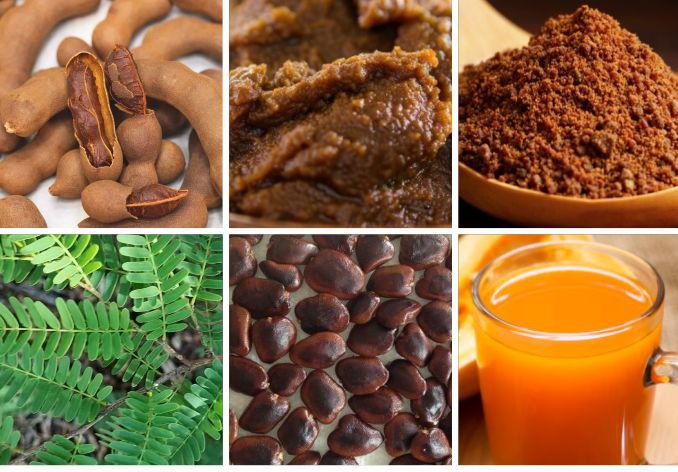
Fresh pods, paste, concentrate, juice, leaves, and powder provide energy, fiber, vitamins, minerals, and plant compounds, helping you choose the right type for meals, snacks, or beverages.

Knowing the differences helps you make the most of flavor, texture, and nutrition while fitting it into everyday recipes.

Fresh Tamarind Pods

Fresh tamarind pods are packed with fiber, natural sugars, vitamins, and minerals.

Eating the pulp directly gives your body antioxidants and plant compounds while delivering steady energy.

Including fresh pods in sauces, snacks, or traditional recipes adds tangy flavor and nutrition naturally, supporting digestion and providing fullness.

Using the whole pod preserves the natural balance of nutrients, making it a highly versatile ingredient for home cooking and beverages.

Tamarind Paste

Tamarind paste is a convenient option that maintains most of the fiber, minerals, and antioxidants found in fresh pods, though some water-soluble vitamins may decrease slightly during processing.

It delivers consistent flavor for sauces, stews, or marinades, helping meals stay nutrient-rich while offering digestive support.

Adding paste to recipes allows you to enjoy the tang of tamarind without compromising its health benefits, making it a practical everyday pantry ingredient.

Tamarind Concentrate

Tamarind concentrate offers a strong, tangy flavor in smaller amounts but may lose some fiber and vitamins during processing.

Its higher sugar density makes portion control important, especially if you are monitoring energy intake or blood sugar.

Concentrate works well in dishes requiring intense flavor, providing natural sugars for energy, antioxidants for cell support, and minerals for heart and bone health, making it a practical way to enhance taste and nutrition efficiently.

Tamarind Juice / Drinks

Tamarind juice or drinks are easy to consume, refreshing, and provide hydration, but they usually contain lower fiber and slightly reduced vitamins and minerals compared to fresh pulp.

Including whole foods alongside the juice helps maintain balanced nutrition and digestive support.

These drinks deliver tangy flavor and antioxidants, making them a flavorful option for beverages, smoothies, or light recipes while supporting energy and contributing to your daily intake of micronutrients.

Tamarind Seeds

Tamarind seeds are dense in protein, carbohydrates, and fiber, along with minerals like calcium, magnesium, and iron.

They are often roasted, boiled, or ground into flour for snacks, pastes, or traditional recipes. Including seeds contributes to digestive health, provides steady energy, and supports muscle, bone, and blood function.

Seeds contain antioxidants and plant compounds that complement the pulp or leaves, making them a powerful addition to meals or health-focused recipes.

Tamarind Leaves

Tamarind leaves are nutrient-dense, offering protein, fiber, antioxidants, and vitamins A, C, and B-complex, along with minerals like potassium, calcium, magnesium, and iron.

Including them in teas, soups, or smoothies helps boost immunity, digestion, and overall wellness while adding subtle flavor.

The leaves’ natural compounds support cellular health, energy metabolism, and bone strength.

Using fresh or powdered leaves allows flexibility, letting you enjoy their benefits in both cooking and beverages.

Tamarind Powder

Tamarind powder retains many minerals, fiber, and antioxidants, although heat processing may reduce some water-soluble vitamins.

It is convenient for seasoning, sauces, and drink mixes while delivering tangy flavor and nutrition.

Adding powder to meals allows for consistent taste and easy portioning, supporting digestive health, providing energy, and contributing to micronutrient intake.

Its versatility makes it ideal for sprinkling on dishes or mixing into beverages without losing nutritional value.

Nutrient Retention Differences

Different forms of tamarind retain nutrients differently. Processing can reduce water-soluble vitamins like vitamin C and some B vitamins, while fiber, minerals, and antioxidants remain largely intact.

Choosing between pods, paste, concentrate, juice, leaves, or powder lets you balance convenience, flavor, and nutritional benefits depending on whether you want maximum fiber, vitamins, or antioxidant content in meals or beverages.

What Changes During Processing

Processing tamarind, through heat, concentration, or straining, reduces fiber, lowers some vitamins, increases sugar density, and intensifies flavor.

Being aware of these changes allows you to select the right form for your recipes, ensuring that your meals deliver energy, tangy taste, and nutrients.

Fresh pods and leaves preserve the most vitamins and fiber, while concentrates and juices provide convenience and a stronger flavor without drastically compromising mineral or antioxidant content.

Health Benefits Linked to Tamarind Nutrition

Sweet and sour tamarind provides several health benefits that fit naturally into your diet.

Its fiber supports digestion, helping food move smoothly through your gut, promoting regularity, and reducing bloating.

Sour tamarind’s higher acidity may stimulate gut motility, while sweet tamarind offers a gentler effect suitable for snacks or desserts.

Minerals like potassium, magnesium, and copper support heart health by aiding circulation, blood pressure, and cardiovascular function, with sweet tamarind containing slightly more potassium and magnesium.

Natural sugars, B vitamins, and antioxidants support steady energy production, with sweet tamarind providing quicker energy and sour tamarind releasing it gradually.

Plant compounds and antioxidants offer anti-inflammatory benefits, supporting joint comfort and reducing cellular stress, enhancing overall wellness while adding flavor.

For more detailed benefits, see our full tamarind health benefits post.

Who Should Be Careful with Tamarind Intake

Tamarind is flavorful and nutritious, but sugar content, acidity, and possible medication interactions mean moderation is important for some people.

Sweet and sour types differ slightly, so understanding these nuances helps you enjoy them safely in meals and drinks.

High Sugar Consideration

Sweet tamarind naturally contains slightly more sugar than sour, providing energy but potentially affecting blood sugar.

People managing diabetes or monitoring carbohydrates should watch portions. Pairing tamarind with fiber or protein slows absorption, keeping energy levels steadier.

Acidic Nature and Tooth Sensitivity

Sour tamarind has higher tartaric acid, which may erode tooth enamel if consumed frequently.

Using it in recipes, rinsing afterward, and moderating intake protects teeth while retaining tangy flavor.

Sweet tamarind is gentler but still benefits from portion control.

Medication Interactions

Tamarind can interact with some medications, including blood thinners and drugs affecting blood sugar.

Moderate intake is generally safe, and consulting a healthcare provider ensures you enjoy sweet or sour tamarind without interfering with prescriptions.

Conclusion

Sweet and sour tamarind delivers flavor alongside meaningful nutrition.

Natural sugars provide energy, fiber supports digestion and fullness, and vitamins, minerals, and antioxidants promote heart, bone, and cellular health.

Sour tamarind’s acidity enhances gut motility and antioxidant preservation, while sweet tamarind offers gentler digestion and slightly higher B vitamins.

Choosing the right form, fresh pods, paste, concentrate, or drinks affects nutrient retention and flavor.

Including tamarind in sauces, beverages, or snacks balances taste, energy, and health benefits, letting your meals remain satisfying, nutritionally supportive, and enjoyable without changing familiar eating habits.

Frequently Asked Questions

Do sweet and sour tamarind differ in calories?

Sweet tamarind has slightly higher calories, around 240–245 kcal per 100g, while sour averages about 239 kcal per 100g, giving a minor difference in energy content.

Which has more fiber, sweet or sour tamarind?

Both contain about 5g of fiber per 100g. Sour tamarind’s higher acidity may slightly enhance digestion, while sweet tamarind offers a gentler effect for desserts and snacks.

Are vitamin levels different between sweet and sour tamarind?

Sweet tamarind usually has slightly higher B vitamins, whereas sour tamarind retains slightly more vitamin C due to its higher acidity and tartaric acid content.

Should diabetics moderate tamarind intake?

Yes, sweet tamarind’s higher natural sugar may raise blood sugar faster, while sour tamarind is gentler but still requires portion control alongside balanced meals.

References