

Tamarind transforms dishes, boosts health, and wellness, discover benefits, uses, and the science behind this powerhouse ingredient.
Tamarind is one of the natural remedies that has traveled across continents, shaping flavors in kitchens from Asia to Latin America, and making its way aggressively into North America, while carrying a history that touches medicine, tradition, and culture.
You might recognize its tangy taste in sauces, drinks, or desserts, but its impact goes beyond the plate.
This guide takes you through its journey, uncovering its origins, varieties, nutritional profile, and scientific insights, alongside practical applications in cooking, health, and daily life.
You’ll gain the knowledge to understand its effects, incorporate it confidently into your meals, and appreciate its cultural significance.
Step by step, each section will give you the tools, tips, and context to make tamarind more than an ingredient, but a resource for flavor, wellness, and curiosity.
Medical Disclaimer: This article is for informational purposes only and does not replace professional medical advice. Consult a qualified healthcare professional before using herbs or supplements.
Table of Contents
My Tangy Tamarind
Of all the herbs and plants on this site, tamarind is the one I know most intimately, not through research first, but through daily life.
I grew up with it. The black velvet tamarind we called icheku was a childhood snack, eaten straight from broken branches on the way back from the farm.
The tamarind fruit itself, Tamarindus indica, was a kitchen constant, used in cooking, stirred into drinks, and reached for when digestion needed a nudge.
I brew tamarind leaves as a warm tea. I cook with the pulp. I have switched to tamarind powder on the days when fresh fruit is not within reach. I know this plant in its many forms because I have used them all.
That personal familiarity is the foundation of this guide.
It does not replace the science — every health claim in this article is backed by credible research — but it means that what you are reading comes from someone with a genuine, long-standing relationship with this fruit.
What is Tamarind?
Tamarind is a tropical tree producing brown, curved pods filled with sticky, tangy-sweet pulp and glossy seeds. Its pulp is widely used in cooking, beverages, traditional medicine, and cultural practices.
Grown across Africa, Asia, and Latin America, it adds flavor, nutrition, and medicinal benefits to countless dishes worldwide.
Botanical Description (Tamarindus indica)
The tamarind tree, Tamarindus indica, grows as an evergreen, reaching up to 25 meters tall with feathery leaves and small yellow flowers.
Deep roots allow it to thrive in dry climates, while the tree can live and bear fruit for decades. Its resilience makes it valuable for local farmers and international agricultural trade.
Physical Characteristics (Pods, Seeds, Pulp)
Pods are brown, curved, and contain sticky, fibrous pulp surrounding shiny brown seeds.
The pulp ranges from tangy-sour to sweet, depending on type and ripeness, and is used fresh, dried, or processed into pastes, sauces, beverages, and candies.
Seeds are sometimes roasted, ground, or used in traditional medicine and culinary applications.
Different Types and Varieties (Sweet vs. Sour, Regional Types)
Tamarind comes in sweet and sour varieties, influenced by climate, soil, and harvest period.
Indian tamarind is typically sour, African and Mexican types tend to be sweeter.
Selecting the right type allows you to balance flavor and acidity in dishes, beverages, or natural remedies, making it adaptable to a wide range of culinary needs.
Fun Fact or Historical Note
This tree has been part of human history for centuries, traveling along trade routes from Africa to Asia.
Ancient Egyptians used it in cooking and medicine, while traders carried it worldwide.
Its long journey has made it a staple ingredient in traditional recipes, beverages, and remedies, connecting cultures, flavors, and practices in unexpected ways.
Related Posts
How to Choose Herbs That Match Your Goals
How to Use Tamarind for Weight Management
Tamarind Candy and How It Is Made
The Tamarind Tree: Everything to Know
Scientific Studies and Research on Tamarind
History and Origin
This tropical ingredient first grew in Africa, spreading through trade routes to Asia and later to the Americas, carried by merchants, travelers, and explorers.
Its sticky-sweet pods quickly became valued for food, beverages, and medicinal remedies, while seeds and pulp played a role in traditional rituals. In kitchens across India,
Mexico, and Southeast Asia, it added tangy flavor to sauces, chutneys, and drinks.
Communities used it in natural remedies, from digestion support to herbal treatments, showing how culinary and wellness practices intertwined.
Festivals and cultural ceremonies often featured the fruit, celebrating harvests or marking special occasions.
Knowing its journey helps you appreciate how a simple ingredient shaped tastes, traditions, and health practices around the world.
By connecting historical uses, geographical spread, and cultural significance, you gain insight into the enduring role of this tropical fruit, making it more than just a flavor in your recipes.
Why You Should Care About Tamarind
This tropical ingredient deserves a place in your kitchen and wellness routine because it blends flavor, nutrition, and tradition in one.
Its tangy-sweet pulp adds depth to sauces, drinks, and desserts, while leaves, seeds, and even bark have been used for digestive support, heart health, and natural remedies.
Packed with fiber, vitamins, minerals, antioxidants, and bioactive compounds, it supports digestion, immunity, and overall vitality.
Culinary diversity makes it easy to incorporate, from Asian curries to Latin American beverages.
Beyond food, research highlights its potential benefits for blood sugar, cholesterol, and inflammation, giving you practical health advantages.
Knowing how to select, store, and use it ensures consistent taste and nutrients. This fruit connects culture, wellness, and flavor, making it worth attention.
Forms of Tamarind
Selecting the right form of this tropical ingredient affects flavor, nutrition, and usability.
Understanding the differences, quality indicators, and storage methods ensures consistent taste, aroma, and health benefits, whether you use it in cooking, drinks, remedies, or supplements.
The Fruits
The tamarind fruit grows in long, curved brown pods on tropical trees. Inside, sticky, tangy-sweet pulp surrounds glossy seeds.
Used in sauces, drinks, chutneys, and desserts, it delivers bold flavor while providing fiber, vitamins, minerals, and antioxidants, supporting digestion, immunity, and overall wellness in both traditional and modern culinary uses.
Fresh Pods
Fresh pods have a firm, brown shell and sticky pulp inside. They provide natural tang and sweetness for sauces, drinks, and stews.

Soaking or simmering the pods releases flavor, while the pulp can be mashed for pastes or used directly in recipes and beverages for a fresh, aromatic taste.
Dried Pods
Dried pods are convenient for long-term storage and retain most flavor and nutrients.

They are often soaked in warm water to extract the pulp before use in sauces, curries, chutneys, or beverages.
Their shelf-stable nature makes them ideal for kitchens or small-scale culinary applications. More on the tamarind pods.
Tamarind Paste
Paste is a ready-to-use form made by processing pulp and straining fibers and seeds.

It adds a consistent tangy-sweet flavor to recipes, marinades, sauces, and drinks.
Using paste saves preparation time while preserving antioxidants, natural acids, and nutrients for cooking and home remedies.
Concentrate or Extract
Concentrates and extracts offer intense flavor in small amounts, ideal for dressings, sauces, beverages, or culinary applications requiring tang and acidity.
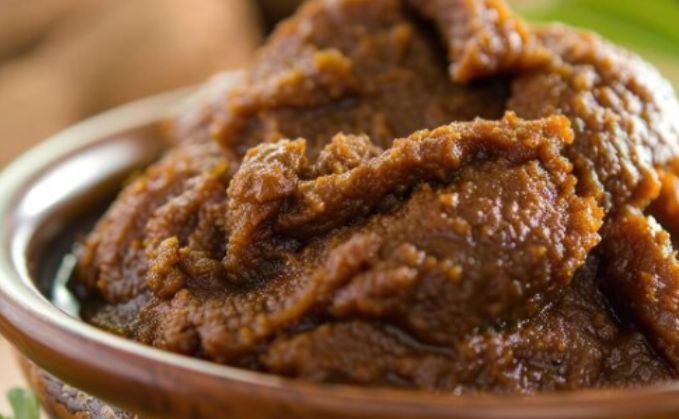
These forms are nutrient-dense and convenient, letting you incorporate the tropical ingredient’s benefits without handling whole pods or pulp.
Powder
Powdered pulp is dried and ground, making it easy to sprinkle into recipes, smoothies, or teas.
It provides tanginess and mild sweetness while preserving fiber, minerals, and antioxidants.
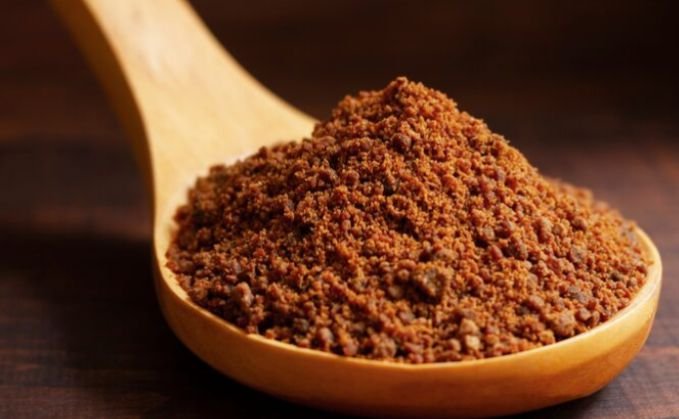
Powder is versatile, allowing you to adjust quantity and intensity precisely in cooking or wellness applications. More on tamarind powder here.
Tamarind Gummies
Gummies provide a portable, sweet way to enjoy flavor and benefits on the go.

Controlled portions make them ideal for snacks or dietary supplementation, delivering tangy-sweet taste and natural compounds without preparation or additional cooking.
Tamarind Drinks/Juice
Tamarind drink or juice is a pre-made beverage that offers consistent taste and hydration, combining the tangy-sweet pulp with water, sugar, or natural flavorings.

These drinks are convenient for refreshment, pairing with meals, or using as a flavorful alternative to sugary drinks, while preserving key nutrients.
Leaves
Young or mature leaves can be consumed fresh, cooked, or dried.
They provide mild flavor to soups, stews, and salads, while delivering vitamins, minerals, and antioxidants.

Leaves are sometimes used in teas or traditional remedies for wellness purposes.
Seeds
Glossy brown seeds can be roasted, boiled, or ground for culinary use or traditional medicine.
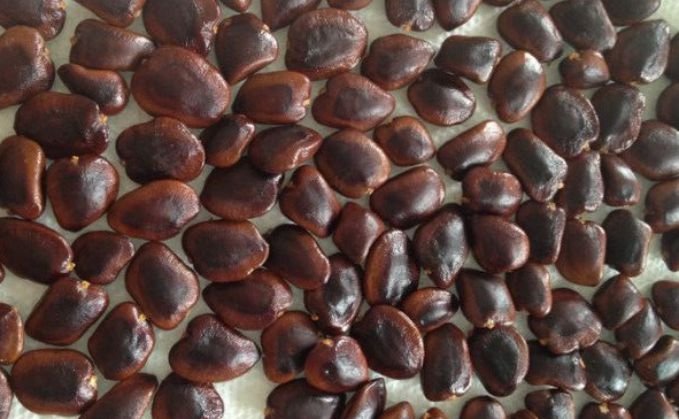
They contain protein, fiber, and bioactive compounds, adding subtle flavor and supporting digestive and metabolic health when incorporated thoughtfully.
Bark and Roots
Bark and roots are less commonly used but appear in traditional remedies.

Bark may be boiled or extracted for its antimicrobial and anti-inflammatory properties, while roots can support digestive health and provide mild wellness benefits in herbal preparations. More on tamarind roots.
Tamarind Tea
Tamarind tea is a herbal drink made by steeping tamarind pods, leaves, bark, or root in hot water.
Rich in natural acids, antioxidants, and plant compounds, it supports digestion, hydration, and overall wellness.
Drinking tamarind tea regularly may aid smooth bowel function, help the body process nutrients efficiently, and provide gentle detox support.
Optional additions like ginger, cinnamon, honey, or lemon can enhance flavor while boosting digestive comfort and antioxidant benefits.
Whether sipped warm or chilled, this herbal tea offers a simple, natural way to incorporate plant-based nutrients into your daily routine while enjoying a flavorful, calming beverage.
Tamarind and Nutrition
Tamarind offers more than flavor, delivering nutrients that support energy, immunity, and overall wellness.
It contains carbohydrates for quick energy, along with small amounts of protein for muscle support and minimal healthy fats.
Natural sugars give its sweet-sour taste while keeping it suitable for snacks, sauces, and drinks.
It is rich in vitamins and minerals like B vitamins, vitamin C, magnesium, potassium, and iron, which help metabolism, blood health, and electrolyte balance.
Calcium supports bone strength, while vitamin C boosts immune response.
Tamarind also contains polyphenols and flavonoids, powerful antioxidants that fight free radicals, support digestion, and help reduce inflammation, making it a nutritious addition to everyday meals and natural remedies.
See a dedicated post on the nutrition facts of tamarind.
Tamarind and Health
Tamarind contributes to your well-being beyond its tangy-sweet taste, offering compounds that support digestion, heart function, immunity, and overall vitality. See tamarind health benefits.
Incorporating it into your meals or natural remedies provides practical ways to benefit from antioxidants, vitamins, and minerals while enhancing daily nutrition and wellness routines.
Digestive Health
The sticky pulp contains natural fibers and mild organic acids that help regulate bowel movements, easing occasional constipation.
Including it in smoothies, sauces, or teas can stimulate digestion, support gut health, and relieve bloating naturally, making meals more comfortable and promoting smoother nutrient absorption throughout the day. See more on tamarind and digestion.
Heart Health
Bioactive compounds and minerals in the fruit, including potassium and magnesium, help maintain healthy blood pressure and support cholesterol balance.
Regular consumption may assist in reducing cardiovascular strain, supporting arterial function, and contributing to overall heart wellness as part of a balanced diet.
Anti-Inflammatory and Antioxidant Properties
Polyphenols and flavonoids in the pulp help neutralize free radicals and may reduce inflammation.
Incorporating the fruit into daily meals or natural beverages can support cellular health, reduce oxidative stress, and promote resilience against environmental and dietary stressors.
Immune Support
Vitamin C, antioxidants, and essential minerals help strengthen the body’s natural defenses.
Adding the pulp to recipes or drinks can support immune function, assist in responding to seasonal challenges, and maintain energy levels, keeping your body ready for daily demands.
Potential Benefits for Weight Management
Low in fat and rich in fiber, the fruit can promote satiety, helping control appetite and support healthy digestion.
Using it in snacks, sauces, or drinks may reduce cravings for overly processed sugars and help maintain a naturally balanced calorie intake.
Skin and Hair Health
Antioxidants, vitamins, and minerals in the fruit nourish skin and hair from within.
Consuming or using pastes derived from the pulp may support skin elasticity, reduce dullness, and maintain hair strength, offering a natural complement to daily wellness and beauty routines.
Tamarind as Food and in Foods
Tamarind adds tangy-sweet depth to recipes worldwide, enhancing sauces, beverages, and traditional dishes.
Its pulp, pods, and pastes offer flavor, aroma, and acidity that can transform everyday meals, desserts, and drinks while connecting you to diverse culinary traditions.
Tamarind in Global Cuisines
From Indian curries and chutneys to Thai soups and Mexican candies, this ingredient has traveled far.
African stews, Southeast Asian sauces, and Latin American drinks feature it prominently, showing how a single fruit can shape regional flavors, balance sweet and sour notes, and elevate traditional recipes in multiple cultures.
Common Preparations: Paste, Concentrate, Juice, Whole Pods
Pulp can be processed into pastes, concentrates, or tangy juices, while whole pods are often soaked or simmered for flavor extraction.
These forms allow you to adjust intensity, acidity, and sweetness in cooking, making it flexible for stews, sauces, marinades, beverages, or desserts without overpowering other ingredients.
Popular Dishes and Beverages
The pulp brightens soups, curries, sauces, and chutneys, while beverages like tamarind agua fresca or traditional Thai drinks offer refreshing, tangy flavor.
Snacks and sweets, including candies, jams, or glazes, show its culinary range, giving you multiple ways to include it in everyday cooking or festive meals.
Tips for Cooking with Tamarind
Soak pods or paste in warm water to extract flavor, strain before using to remove fibers or seeds, and balance sourness with sugar, honey, or fruit.
Start with small amounts, taste as you go, and pair with complementary spices like cumin, chili, or ginger to bring out depth in dishes.
How to Use Tamarind at Home
Bringing this tropical ingredient into your kitchen can transform everyday meals, snacks, and beverages.
Learning simple ways to prepare it from pods or use ready-made forms allows you to enjoy its flavor, tang, and natural properties in food, drinks, and even home remedies.
Preparing Tamarind Paste or Pulp from Pods
Start by removing the shell and soaking the pods in warm water to soften the sticky pulp.
Mash and strain to separate fibers and seeds, creating a smooth paste.
This homemade version lets you control sweetness, acidity, and consistency, making it perfect for sauces, marinades, beverages, or even condiments.
Simple Recipes or Applications in Food and Drinks
Add the pulp to curries, stews, or soups for a tangy depth, stir it into salad dressings or glazes, or mix it with sugar and water for a refreshing drink.
Even snacks and desserts benefit from its sweet-acidic flavor, allowing you to experiment with both traditional and contemporary dishes.
Tamarind Tea
Tamarind tea can be made from pods, leaves, bark, or root, offering a tangy, soothing beverage.
Steep the chosen part in hot water to release natural acids, antioxidants, and plant compounds.
Optional additions like ginger, cinnamon, honey, or lemon can enhance flavor while supporting digestion and hydration.
Tamarind Products and Supplements
Beyond fresh pods and pulp, this tropical ingredient comes in powders, extracts, gummies, and ready-to-drink beverages, making it easy to include in your diet or wellness routine.
Choosing the right product, form, and dosage ensures flavor, nutrients, and potential benefits safely.
Tamarind Powder
Powdered pulp can be added directly to sauces, curries, or beverages.
Its concentrated tangy-sweet flavor makes it easy to control acidity and taste, allowing you to enhance dishes while benefiting from natural nutrients without the hassle of processing whole pods.
Tamarind Extract
Concentrated extracts provide intense flavor in small amounts, perfect for dressings, marinades, or drinks.
The extract preserves antioxidants and natural compounds, letting you enjoy the fruit’s health benefits while adding consistent tanginess to your recipes.
Tamarind Gummies
Gummies provide a convenient, ready-to-eat option for enjoying the fruit’s flavor and nutritional benefits on the go.
They are portable, sweet, and controlled in portion, making them practical for quick snacks or wellness supplements.
Tamarind Drinks
Ready-to-drink beverages deliver tangy flavor and hydration with consistent taste.
They are ideal for refreshment, pairing with meals, or using as a natural alternative to sugary drinks while still offering nutrients and plant compounds from the fruit.
Side Effects and Precautions
While this tropical ingredient brings flavor and wellness benefits, it’s important to be mindful of how much you use and how it interacts with your body.
Paying attention to portion, allergies, and possible interactions ensures you enjoy its benefits safely.
Possible Allergic Reactions
Some people may experience mild reactions, such as skin irritation or digestive discomfort, after consuming the pods, pulp, or paste.
Start with small amounts to see how your body responds, and avoid combining it with other new foods if you have a sensitive stomach or known food allergies.
Overconsumption Concerns
Eating or drinking large quantities can lead to digestive upset, including cramps, diarrhea, or acidity.
Keeping portions moderate in recipes, beverages, or snacks helps maintain comfort while still benefiting from the natural fiber, organic acids, and nutrients in the fruit.
Interactions with Medications
Compounds in the pulp or concentrate may interact with certain medications, especially those affecting blood sugar or blood pressure. If you take prescription drugs,
it’s wise to check with a healthcare professional before using it regularly in meals, beverages, or remedies, ensuring safety and preventing unwanted effects.
Research and Studies on Tamarind
Scientific investigations have explored the pulp, seeds, and extracts of this tropical fruit to understand its nutritional and health benefits.
According to National Institutes of Health, tamarind is a diet-based strategy against lifestyle maladies.
Studies highlight its role in supporting digestion, regulating blood sugar, and promoting heart health through fiber, potassium, and magnesium.
Antioxidant and anti-inflammatory compounds have been analyzed for their ability to neutralize free radicals, reduce oxidative stress, and support cellular health.
Research also examines its natural antimicrobial properties and digestive enzyme activity, which may aid gut function.
Clinical and laboratory studies focus on effects on cholesterol, blood pressure, and cardiovascular health.
Ongoing studies evaluate safe dosages and potential interactions, guiding both culinary and wellness use.
These findings provide insight for including it in meals, drinks, or natural remedies, helping you maximize benefits while enjoying its tangy-sweet flavor.
Conclusion
Tamarind offers more than tangy flavor, it’s a nutritional powerhouse connecting food, wellness, and tradition.
From pods, pulp, seeds, and leaves to powders, pastes, and drinks, it enriches recipes while supporting digestion, heart health, immunity, and overall vitality.
By understanding its forms, storage, and uses, you can confidently include it in daily meals, beverages, or remedies.
Historical significance, global culinary applications, and ongoing research highlight its lasting impact.
Using it thoughtfully lets you enjoy both taste and health benefits safely.
Step by step, incorporating this ingredient becomes intuitive, whether enhancing dishes, creating beverages, or trying home remedies.
Caring about it means embracing culture, nutrition, and natural wellness in one versatile tropical fruit.
Frequently Asked Questions
What is tamarind used for?
Tamarind adds tangy-sweet flavor to sauces, drinks, desserts, and snacks, while also supporting digestion, immunity, and overall wellness in culinary and traditional remedies.
How do I store tamarind?
Store fresh pods in a cool, dry place, dried pods in airtight containers, and pastes or concentrates in the refrigerator for longer shelf life.
Can tamarind help with digestion?
Yes, natural fibers and mild organic acids in the pulp can support regular bowel movements, reduce bloating, and maintain overall gut health.
Are there any side effects?
Overconsumption may cause digestive upset, and some people could experience mild allergic reactions. Moderation ensures safety, especially alongside medications.
What forms of tamarind are available?
It comes as fresh or dried pods, paste, concentrate, powder, gummies, drinks, leaves, seeds, and even bark or roots for culinary or wellness uses.
References