
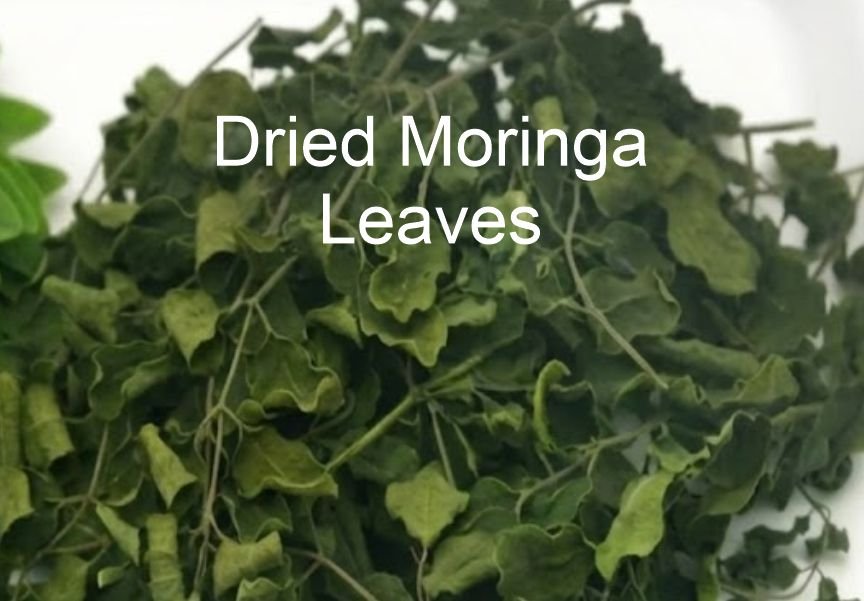
Moringa dried leaves boost energy, support immunity, enrich meals, and fit effortlessly into smoothies, teas, and soups, offering longer shelf life than fresh leaves.
Dried moringa leaves have become a staple for anyone looking to add plant-based nutrition to meals and wellness routines.
Unlike fresh leaves, they last longer, making it easy to keep them on hand for smoothies, teas, soups, or supplements.
Their concentrated nutrients support energy, immunity, and overall wellness, letting your body benefit consistently without worrying about spoilage.
In this article, you’ll discover how to use dried moringa leaves effectively, their key nutritional advantages, and practical tips for incorporating them into your daily routine.
Learning these strategies helps you get reliable results while keeping your diet simple, convenient, and full of natural, plant-based goodness.
Recommended: Guide to Moringa Leaves
Table of Contents
What Are Moringa Dried Leaves?
Dried moringa leaves are harvested leaves that have been carefully air- or sun-dried to preserve nutrients and extend shelf life. Available as whole, crushed, or powdered forms, they are easy to use in moringa teas, smoothies, soups, and supplements, providing convenient daily nutrition compared to fresh leaves.
Nutritional Profile of Moringa Dried Leaves
Moringa dried leaves are nutrient-dense, offering concentrated vitamins, minerals, and antioxidants that support energy, immunity, and overall wellness.
They are rich in vitamins A, C, E, and K, promoting healthy vision, immune defense, skin health, and blood clotting.
Essential minerals like calcium, iron, and magnesium strengthen bones, support oxygen transport, and aid nerve and muscle function, helping the body stay balanced and active.
Phytonutrients such as quercetin and chlorogenic acid provide antioxidant protection, reducing inflammation and supporting long-term health.
Drying the leaves preserves and concentrates these compounds, making them more stable than fresh leaves.
Versatile in smoothies, teas, soups, and supplements, dried moringa leaves deliver convenient, reliable nutrition for daily use. See more on the nutritional facts of moringa leaves, fresh and dried.
Health Benefits of Moringa Dried Leaves
Moringa dried leaves offer wide-ranging support for your health, combining vitamins, minerals, antioxidants, and fiber to help strengthen immunity, improve energy, and support overall wellness naturally.
Immune System Support
High vitamin C, antioxidants, and antimicrobial compounds in dried moringa leaves help strengthen immunity, assisting your body in defending against infections and maintaining overall health daily.
Anti-Inflammatory Properties
Quercetin and other bioactive compounds in moringa leaves help reduce inflammation, supporting joint comfort, cardiovascular health, and lowering risks associated with chronic inflammatory conditions naturally.
Energy and Stamina Boost
Nutrient-dense moringa leaves support cellular energy production, helping improve stamina, reduce fatigue, and keep you alert and active throughout your day without relying on stimulants.
Digestive Health Benefits
The high fiber content in dried moringa leaves promotes regular bowel movements, supports gut health, eases digestion, and helps prevent constipation when incorporated into meals or smoothies.
Blood Sugar and Metabolic Support
Moringa compounds may help regulate blood sugar levels by reducing post-meal spikes, making dried leaves a helpful addition for maintaining balanced glucose and overall metabolic health.
Liver and Detox Support
Antioxidants in moringa dried leaves protect liver cells from oxidative stress, supporting detoxification processes and contributing to overall wellness and a healthier internal environment.
Related Posts
Benefits of Moringa for Menopause
How to Use Moringa Leaves for Food
Health Benefits of Moringa Leaves
Moringa Powder (Leaves Powder)
Culinary Uses of Moringa Dried Leaves
Moringa dried leaves add nutrition and flavor to meals, offering an easy way to boost vitamins, minerals, and antioxidants while fitting seamlessly into your daily cooking and drinks.
Moringa Tea
Steep one teaspoon of dried moringa leaves in hot water for five to ten minutes. Add honey, lemon, or ginger for taste, creating a nutrient-rich beverage.
Soups and Stews
Sprinkle one to two tablespoons of dried moringa leaves into soups or stews near the end of cooking. This preserves nutrients while enhancing flavor and nutritional value.
Smoothies and Drinks
Blend dried moringa leaves into smoothies with fruits like bananas, strawberries, or mangoes.
One teaspoon provides vitamins and minerals without changing taste or texture significantly.
Salads and Baked Goods
Sprinkle moringa leaves on salads, mix into energy bars, or add to baked recipes.
Start small, adjusting amounts to maintain flavor while maximizing nutrient intake.
How to Store Moringa Dried Leaves
Proper storage of moringa dried leaves helps maintain their flavor, nutrients, and overall quality.
Keeping them in the right conditions ensures they stay potent and safe for daily use.
Ideal Environment
Store dried moringa leaves in a cool, dark, and dry place. Avoid heat, light, and moisture, as these factors can degrade nutrients, cause mold, or reduce shelf life.
A pantry or cupboard with a stable temperature works best.
Best Packaging Options
Use airtight containers such as glass jars, sealed plastic bags, or metal tins to prevent air exposure.
Proper packaging limits oxidation, preserves freshness, and protects the leaves from humidity or pests.
Labeling and Tracking
Label containers with the storage date to track freshness. Regularly check leaves for discoloration, unusual odors, or clumping, which can indicate nutrient loss or spoilage.
Shelf Life Expectations
When stored correctly, moringa dried leaves can last up to a year while retaining most of their vitamins, minerals, and antioxidants.
Proper storage ensures consistent quality for teas, smoothies, soups, or supplements.
Tips for Longevity
Keep containers tightly sealed after each use, avoid opening them frequently, and store them away from direct sunlight.
Small batches help maintain freshness if used regularly in daily routines.
How to Use Moringa Dried Leaves
Moringa dried leaves are versatile and easy to integrate into your routine, whether you want to boost energy, support immunity, or add plant-based nutrition to meals and drinks.
Adding to Smoothies and Drinks
Blend one to two teaspoons of dried moringa leaves into smoothies, juices, or shakes.
They mix well with fruits like bananas, mangoes, and berries, adding nutrients without altering flavor.
Regular use provides vitamins, minerals, and antioxidants for steady energy and internal wellness.
Brewing Moringa Tea
Steep a teaspoon of dried leaves in hot water for five to ten minutes. Sweeten with honey or flavor with lemon or ginger.
Daily tea offers antioxidants and hydration while supporting immune function.
Incorporating into Soups and Stews
Sprinkle dried moringa leaves into soups, stews, or sauces near the end of cooking.
This preserves nutrients while enhancing flavor, allowing you to strengthen meals with plant-based nutrition.
Using in Salads, Baked Goods, or Snacks
Mix small amounts of moringa leaves into salads, energy bars, or baked recipes.
Gradually increase portions to suit taste while maintaining vitamin, mineral, and fiber intake for everyday wellness.
Recommended Dosage and Tips
Start with one to two teaspoons per day. Store leaves in airtight containers away from heat, light, and moisture.
Consistency is more effective than large doses, keeping nutrients stable and accessible.
Moringa Dried Leaves Tea
Moringa dried leaves tea offers a simple, natural way to enjoy concentrated nutrients, antioxidants, and plant-based support for energy, immunity, and overall wellness with each cup.
Brewing the Perfect Cup
Steep one teaspoon of dried moringa leaves in hot water for five to ten minutes. Adjust steeping time to taste for mild or stronger flavor while preserving nutrients.
Flavor Enhancements
Add honey, lemon, ginger, or cinnamon to enhance taste without reducing nutritional value.
These additions can complement antioxidants and support hydration, immunity, and digestion.
Daily Health Benefits
Regular consumption delivers vitamins A, C, E, and K, plus minerals and antioxidants.
Drinking moringa tea helps support immunity, energy, detoxification, and overall well-being naturally.
Serving Tips and Safety
Drink one to two cups daily, preferably between meals, for better nutrient absorption.
Avoid overheating leaves to preserve vitamins and antioxidants. Store dried leaves in airtight containers to maintain freshness.
Choosing High-Quality Moringa Dried Leaves and Precautions
Selecting high-quality moringa dried leaves ensures you get maximum nutritional and health benefits.
Choosing trusted sources, proper forms, and being mindful of usage keeps your routine safe and effective.
Prioritize Organic and Reputable Sources
Look for organic moringa cultivated without pesticides or chemicals, and sourced from trusted suppliers using sustainable practices.
Quality impacts nutrient content and safety for daily consumption.
Whole Leaves vs Powdered Form
Whole dried leaves retain more nutrients and suit teas or infusions, while powdered leaves are convenient for smoothies, cooking, or supplements, making them easy to integrate into meals.
Inspect Freshness and Color
Vibrant green leaves without moisture indicate freshness and quality.
Avoid clumped, discolored, or damp leaves, which may signal nutrient loss or potential spoilage.
Moderate Consumption and Dosage
Start with one to two teaspoons of powder or one to two cups of tea daily.
Excess intake can cause digestive discomfort or other mild side effects.
Consider Health Conditions and Medications
Pregnant or breastfeeding women, and individuals on blood thinners, diabetes, or other medications, should consult a healthcare professional before using moringa to avoid interactions.
Conclusion
Dried moringa leaves provide a convenient, nutrient-packed way to support energy, immunity, digestion, and overall wellness.
Their long shelf life makes daily use simple, whether in smoothies, teas, soups, or supplements.
Concentrated vitamins, minerals, antioxidants, and fiber help your body maintain balance, while versatile culinary uses integrate nutrition seamlessly into meals.
Choosing high-quality, properly stored leaves maximizes benefits, and moderate consumption keeps routines safe and effective.
With thoughtful selection and regular use, dried moringa leaves can be a consistent, practical addition to your lifestyle, giving you reliable nourishment and supporting both internal health and external vitality.
Frequently Asked Questions
What Are the Main Nutrients in Dried Moringa Leaves?
Dried moringa leaves are rich in vitamins A, C, E, and K, minerals like calcium, iron, magnesium, and antioxidants such as quercetin and chlorogenic acid.
How Can I Use Dried Moringa Leaves in Daily Meals?
Incorporate dried moringa leaves into smoothies, teas, soups, stews, salads, or baked goods. Start with one to two teaspoons daily for a nutrient boost without affecting flavor.
How Should Dried Moringa Leaves Be Stored?
Keep leaves in a cool, dark, dry place using airtight containers. Avoid heat, sunlight, and moisture to maintain freshness, color, and nutrient content for up to a year.
Are There Any Precautions When Using Dried Moringa Leaves?
Moderate intake is recommended. Pregnant or breastfeeding individuals and those on blood thinners, diabetes, or other medications should consult a healthcare professional before use.
References