
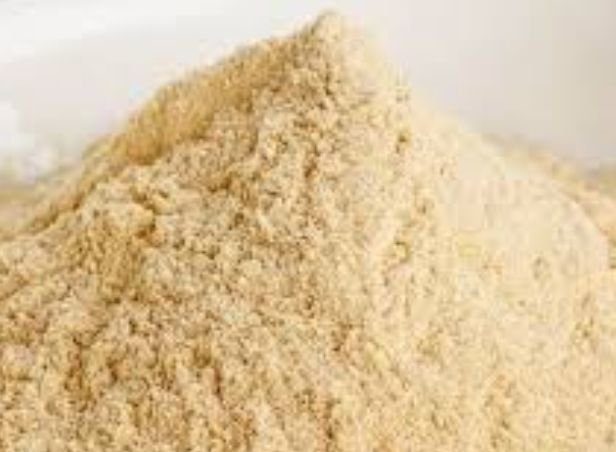
Moringa root powder adds natural nutrition and traditional wellness benefits to meals, teas, and remedies while requiring careful use for safety.
Moringa roots have long been valued in traditional medicine and culinary practices for their distinctive properties, supporting digestion, circulation, and overall wellness.
Over time, these roots have been transformed into a convenient, concentrated form, allowing their nutrients and bioactive compounds to be incorporated more easily into daily routines.
Moringa root powder offers an accessible way to enjoy the roots’ benefits without extensive preparation, making it suitable for teas, supplements, and recipes.
This guide provides insight into the potential health advantages, proper usage, and important precautions associated with moringa root powder, helping you integrate it safely into your diet.
Recommended: Ultimate Guide to Moringa.
Table of Contents
What Is Moringa Root Powder?
Moringa root powder is a concentrated form of the roots of the Moringa tree, created by thoroughly cleaning, drying, and grinding them into a fine, versatile powder.
This form preserves bioactive compounds, minerals, and trace nutrients, making it easier to incorporate the roots’ health-supporting properties into teas, supplements, and recipes without extensive preparation.
It offers a convenient alternative to fresh roots while retaining characteristic flavors and nutritional elements, allowing controlled and measured use for wellness and culinary applications.
Taste, Texture, and Shelf-Life Overview
Moringa root powder has an earthy, slightly pungent, and peppery flavor, more intense than leaf or pod powders.
Its texture is fine, making it easy to mix into teas, soups, smoothies, or capsules.
When stored in an airtight container, away from light, heat, and moisture, the powder remains potent for six months to a year.
In the long run, exposure to humidity or direct sunlight may reduce bioactive compounds and alter flavor.
Proper storage maintains nutritional integrity, allowing consistent use for wellness, culinary, or herbal purposes while minimizing the risk of spoilage or nutrient loss.
Moringa Root Powder vs Other Moringa Powders
Moringa Root Powder vs Leaf Powder
Moringa root powder differs from leaf powder in nutrient composition and use.
Leaf powder is rich in vitamins A, C, and E, antioxidants, and amino acids, ideal for daily consumption.
Root powder contains concentrated alkaloids, requiring controlled intake and is primarily used in herbal remedies rather than regular culinary applications.
Moringa Root Powder vs Flower Powder
Flower powder offers antioxidants, delicate flavors, and mild nutritional support, commonly added to teas or recipes.
Root powder contains stronger bioactive compounds, making moderation essential.
Its applications focus on herbal preparations and traditional remedies, differing from flower powder, which can be safely consumed daily without concerns about toxicity or overuse.
Moringa Root Powder vs Pod Powder
Pod powder provides fiber, minerals, and a gentle, slightly sweet flavor suitable for cooking, soups, or smoothies.
Root powder contains concentrated compounds that demand careful dosing.
Its use is limited to specific medicinal or herbal purposes, contrasting with pod powder, which integrates safely into daily meals for nutritional benefits.
Related Posts
Moringa Bard Extract Benefits and Dangers
Uses and Risks of Moringa Bark Powder
Benefits and Uses of Moringa Bark
Moringa Flower: Nutrition and Uses
Nutritional and Phytochemical Profile
Moringa roots contain nutrients and plant compounds that influence their use in traditional remedies and food practices.
Knowing their composition helps integrate them safely into meals or herbal preparations.
Minerals and Trace Elements
Moringa roots provide minerals like calcium, potassium, and magnesium.
Calcium supports bone strength, potassium aids fluid balance and muscle health, and magnesium assists nerve and muscle coordination, making roots a supportive addition in measured amounts.
Vitamins and Micronutrients
Roots contain small amounts of vitamins, including vitamin C and B-complex elements.
These support immune function, metabolism, and nutrient balance, complementing other dietary sources and adding variety when blended into teas or herbal formulations.
Bioactive Phytochemicals
Phenolic acids and flavonoids in moringa roots provide antioxidant properties and influence internal balance.
These phytochemicals contribute to the traditional medicinal use of roots, supporting targeted wellness when consumed in controlled portions.
Alkaloids and Plant Compounds
Alkaloids in moringa roots offer strong biological activity, explaining traditional uses in herbal remedies.
Controlled consumption is essential, as these compounds are more potent than those in leaves or pods.
Fiber and Digestive Components
Roots contain dietary fiber that aids digestion, supports regular bowel movement, and complements meals.
Integrating fiber from roots enhances overall nutrition when included in recipes, teas, or herbal preparations.
Health Benefits of Moringa Root Powder
Moringa root powder provides a concentrated, easy-to-use form that can be added to teas, smoothies, or herbal preparations, offering plant compounds in a controlled, convenient way compared to whole roots.
Antioxidant and Anti-Inflammatory Support
This powder contains flavonoids and phenolic acids that help neutralize free radicals and reduce inflammation.
Regular consumption may support joint comfort, cell health, and overall tissue resilience, offering a convenient way to integrate anti-inflammatory compounds into daily routines.
Digestive and Gut Support
Adding the powder to meals or warm drinks can aid digestion and maintain gut balance.
Its natural fiber and plant compounds help support regularity, easing digestive processes and promoting a healthier gastrointestinal environment with consistent intake.
Metabolic and Blood Sugar Balance
This root form may support a healthier blood glucose response after meals, helping stabilize energy levels.
Including it moderately in a balanced diet can contribute to metabolic health and steady sugar regulation naturally.
Nutrient Boost Without Heavy Preparation
Using the powder allows trace minerals and plant compounds to be included without cooking whole roots.
Stirring it into soups, smoothies, or teas provides consistent, convenient nutrient intake for everyday wellness support.
Mindful Intake for Overall Wellness
Moderate, regular consumption may support immune function and general vitality.
Combining it with a balanced diet and healthy lifestyle can help maintain overall nutritional support and well-being naturally.
Traditional and Cultural Uses
Moringa roots have long been part of traditional herbal practices across Africa, Asia, and South America.
Their historical applications extend beyond nutrition, offering therapeutic benefits, ceremonial uses, and plant-based remedies integrated into everyday life and wellness routines.
Historical Use in Herbal Medicine and Tonics
Throughout history, moringa roots have been prepared as decoctions, powders, or infusions to support general health.
Traditional medicine systems valued the roots for their bioactive compounds, incorporating them into tonics that were believed to promote circulation, reduce inflammation, and provide gentle support for the body’s natural defenses.
Folk Remedies for Digestive, Circulatory, or Antimicrobial Purposes
Folk medicine often used moringa roots to ease digestive discomfort, stimulate healthy circulation, and support resistance to microbial infections.
Preparation methods included boiling, grinding, or combining with other herbs, providing an accessible, plant-based approach to health.
These practices highlight centuries of empirical knowledge passed through generations.
Role in Cultural Practices Across Regions
Moringa roots play a role in cultural rituals, ceremonies, and daily traditions in various regions.
They are sometimes used symbolically for wellness, incorporated into herbal remedies, or included in community health practices, reflecting the plant’s deep cultural and medicinal significance across societies.
How to Make Moringa Root Powder
Turning roots into powder makes them much easier to use in teas, supplements, or recipes, while helping preserve their compounds through careful drying and grinding, similar to methods used for leaf powders.
Cleaning and Preparing the Roots
Start by thoroughly washing roots to remove soil, debris, or loose skin.
Trimming away any tough outer bark or damaged sections before processing helps improve texture and quality.
Proper cleaning lays the foundation for safe drying and prevents unwanted contaminants from entering the powder.
Drying Techniques for Roots
Roots must lose nearly all moisture before they can become powder.
Air drying in a clean, shaded area with good airflow prevents microbial growth.
A food dehydrator set to low heat helps speed up drying while protecting delicate compounds.
Ensuring complete dryness is key to preventing mold and making grinding easier.
Grinding and Sieving
Once roots are fully dry and brittle, grinding begins using a clean, dry grinder, spice mill, or mortar and pestle.
Grinding in small batches produces a smoother powder.
After grinding, passing the material through a fine sieve removes larger particles and improves consistency.
Final Processing and Refinement
Some producers take extra steps like low-temperature drying after grinding to remove any residual moisture, helping stabilize the powder and extend shelf life.
This makes the powder easier to store and blend into soups, drinks, or capsules.
Safety Concerns and Risks
Moringa roots, while valued for their nutrients and traditional uses, contain potent compounds that require careful handling.
Understanding potential risks ensures safe integration into meals or herbal practices, preventing unintended side effects.
Alkaloids and Toxic Compounds
Moringa roots contain bioactive alkaloids that can affect the nervous system if consumed in excess.
These compounds differentiate roots from leaves or pods, making moderation important.
Awareness of these elements helps maintain safety while benefiting from traditional uses.
Overconsumption and Improper Preparation
Excess intake or incorrect processing can lead to nausea, digestive discomfort, or more serious effects.
Proper preparation and controlled use minimize exposure to potentially harmful compounds and preserve nutritional benefits.
Caution for Vulnerable Groups
Pregnant and breastfeeding women should avoid roots due to uncertain effects on fetal development or nursing infants.
Children and sensitive individuals also require careful consideration, ensuring that root use does not compromise health or well-being.
How to Use Moringa Root Powder Safely
Moringa root powder offers concentrated nutrients and bioactive compounds, but careful use is necessary.
Understanding safe dosages, preparation methods, and compatible ingredients helps integrate this powder into routines without overexposure or side effects.
Recommended Dosages
General guidance suggests small, controlled amounts of moringa root powder for daily use.
Starting with minimal doses allows the body to adjust and reduces the risk of digestive discomfort or toxicity.
Gradually adjusting quantity while monitoring tolerance ensures safe and effective integration.
Methods of Consumption
Moringa root powder can be brewed into teas, steeped as herbal infusions, or incorporated in tiny amounts into soups, sauces, or smoothies.
These methods allow nutrient absorption while controlling exposure to potentially potent compounds.
Combining with Other Ingredients
Mixing moringa root powder with vegetables, grains, or mild herbs can reduce intensity and support digestion.
Combining with nutrient-rich foods ensures balanced intake, moderating the effects of alkaloids while providing practical, safe ways to enjoy its benefits.
Conclusion
Moringa root powder offers a practical way to access the concentrated nutrients and bioactive compounds of the roots while simplifying preparation for teas, supplements, and recipes.
Its controlled use allows integration into daily routines without excessive exposure to potent alkaloids.
Moderation is key, with small amounts supporting digestion, circulation, and general wellness.
Safe storage, mindful dosing, and combining it with other foods help preserve nutrients while minimizing potential risks.
Understanding its distinctive properties compared with leaves, pods, and flowers ensures informed choices.
Traditional uses and modern preparations converge in this powder, offering a convenient, measured, and culturally rooted approach to incorporating the benefits of moringa roots into balanced diets and herbal practices responsibly.
Frequently Asked Questions
Can moringa root powder be taken daily?
Daily consumption of moringa root powder should be limited due to concentrated bioactive compounds. Small, controlled amounts may be safe, but overuse can cause digestive or health issues.
Is it safe during pregnancy?
Moringa root powder is not recommended during pregnancy. Alkaloids and other compounds may pose risks to fetal development, so it should be avoided by pregnant women.
Can it be mixed with smoothies or food?
Moringa root powder can be added to smoothies, soups, or sauces in small amounts. Combining it with other foods helps dilute its strong flavor while allowing controlled intake.
How long does the powder last?
Stored in a cool, dry, airtight container away from light and moisture, moringa root powder can maintain potency and quality for up to 6–12 months.
References

Chims Clements writes about herbs from personal experience and careful research. Growing up in Aba, Nigeria, moringa and tamarind were everyday household plants long before they became globally recognised superfoods. He uses both regularly in his home today. At Six Herbs he goes deep on moringa, tamarind, fenugreek, and sea moss — building honest, experience-backed content that separates what tradition knows from what science confirms. The content on this site is for informational purposes only and is not medical advice. Always consult a healthcare provider before using herbs medicinally.