
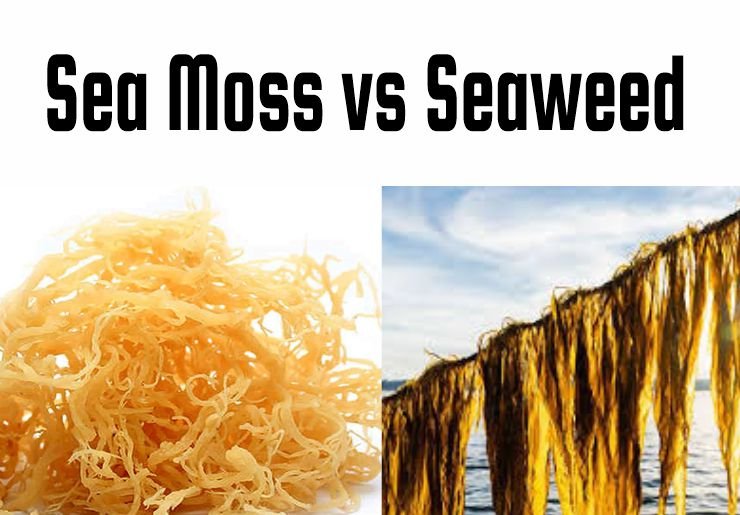
Sea moss vs seaweed sound similar, yet they differ in type, uses, and nutritional value. One is a specific red algae, the other a broad group of marine plants. Clear the confusion and see which fits your diet, recipes, and wellness goals.
Sea moss and seaweed can be confusing since both are beneficial herbs from the ocean and look similar at first glance.
Each has its own texture, nutrient profile, and common uses in food and wellness.
Sea moss is widely used in gel form, making it easy to blend into smoothies, soups, and drinks without changing flavor much.
Seaweed is more common in meals and snacks, where it adds a salty, savory taste to soups, rice dishes, salads, and wraps.
Both herbs fit into daily eating, but in different ways depending on how you prepare food.
Table of Contents
Defining Sea Moss and Seaweed in Simple Terms
Sea moss and seaweed come from the ocean, yet they differ in type, form, and use.
What is Sea Moss?
Sea moss is a type of red algae known as Irish moss, found along Atlantic coastlines.
It comes in raw, dried, gel, or powder forms for easy use.
Many add it to smoothies, soups, and drinks for minerals, fiber, and plant-based nutrition support in daily meals and simple recipes.
What is Seaweed?
Seaweed is a broad term for marine algae, including red, brown, and green varieties.
Common types like kelp, nori, and wakame appear in meals, snacks, and health products.
These sea vegetables provide iodine, vitamins, and minerals, making them useful for cooking, nutrition, and balanced diet support in everyday eating.
Related Posts
Gold Sea Moss: What Makes it Different?
Differences Between Sea Moss and Seaweed
Sea moss and seaweed differ in classification, texture, nutrition, and use.
Sea moss is a specific red algae, often called Irish moss, while seaweed is a broad term covering varieties like kelp, nori, and wakame.
This affects choice: sea moss offers a more targeted mineral profile, while seaweed provides diverse nutrients across types.
In appearance, sea moss forms thin strands and turns gel-like when prepared, with a mild taste.
Seaweed ranges from flat sheets to leafy forms, with textures from crisp to chewy and a stronger ocean flavor.
Preparation also varies. Sea moss needs cleaning, soaking, and blending, while many seaweed types are ready to eat or require minimal cooking.
Sea moss is used in smoothies and wellness routines, while seaweed is common in everyday meals like soups, salads, and wraps.
Nutritional Comparison
Sea moss and seaweed both provide strong nutrition, but their mineral balance, vitamins, fiber, and bioactive compounds differ.
Both contain important minerals like iodine, magnesium, calcium, and potassium, which support thyroid function, muscle health, and fluid balance.
Sea moss offers a broad mineral profile, while seaweed like kelp is especially rich in iodine, so portion control matters for thyroid safety.
Sea moss supplies vitamin C and some B vitamins, supporting immunity and skin health, while seaweed offers a wider range, including vitamins A, K, and folate, plus antioxidants that help protect cells.
For digestion, sea moss provides soluble fiber that forms a gel to soothe the gut, while seaweed fibers support gut bacteria and regular digestion.
Unique compounds also differ: sea moss contains carrageenan for its gel texture, while seaweed includes fucoidan and alginate linked to metabolic and detox support, shaping their distinct wellness benefits.
Health Benefits of Sea Moss
Sea moss supports digestion, skin health, immunity, and thyroid function, making it useful in plant-based wellness routines.
As a natural source of soluble fiber, it forms a gel that soothes the digestive tract, supports regular bowel movement, and promotes healthy gut bacteria for better nutrient absorption and overall digestive balance.
For skin health, its minerals help support hydration, elasticity, and collagen function, which may improve skin appearance from within, while also being used in topical masks.
Sea moss also contributes to immune support and energy levels through its nutrient content, helping reduce fatigue and maintain stamina.
Consistent intake in small amounts supports overall vitality, better resilience, and daily wellness when combined with a balanced diet and healthy lifestyle habits. More on the health benefits of sea moss.
Health Benefits of Seaweed
Seaweed supports heart health, metabolism, blood sugar balance, and cellular protection, making it a valuable part of a balanced diet.
It is rich in antioxidants and anti-inflammatory compounds that protect the body from oxidative stress and support long-term health.
These nutrients reduce inflammation and support overall wellness when included regularly in meals.
Seaweed also supports heart health by helping manage cholesterol and improving circulation through fiber.
It helps stabilize blood sugar by slowing digestion and improving insulin response for steady energy.
Bioactive compounds further support metabolism, nutrient absorption, weight balance, and consistent physical energy throughout the day, overall wellness goals.
Sea Moss vs Seaweed for Specific Goals
Choosing between sea moss and seaweed depends on your health focus.
Both support skin, gut, weight, and nutrition in different ways, so knowing how each works helps you decide better.
For skin health
Sea moss supports skin hydration, elasticity, and collagen function through its minerals, helping your skin stay smooth and moisturized.
Seaweed adds antioxidants and vitamins that help protect skin cells from damage and support a clearer, healthier appearance over time.
For gut health
Sea moss forms a soothing gel that supports digestion, eases the gut lining, and promotes regular bowel movement.
Seaweed provides fiber that feeds good gut bacteria, helping digestion stay balanced and improving nutrient absorption in daily meals.
For weight management
Sea moss helps control appetite by creating a feeling of fullness, which may reduce snacking.
Seaweed supports metabolism and energy use, helping your body manage calories more efficiently while keeping digestion steady and balanced throughout the day.
For overall nutrition
Sea moss provides minerals like iodine, magnesium, and calcium that support body function and energy.
Seaweed adds vitamins, antioxidants, and bioactive compounds that support heart health, immunity, and metabolism, giving broader nutritional support when included in meals.
How to Use Sea Moss vs How to Use Sea Weed
Sea moss and seaweed both come from the ocean, but you use them in different ways depending on your meals and goals.
How to Use Sea Moss
Sea moss is usually prepared as a gel. You start by cleaning and soaking dried sea moss, then blending it with water until it becomes smooth.
Once ready, it is stored in the fridge and added to everyday foods.
You can mix sea moss gel into smoothies, stir it into soups, or blend it into drinks without changing the taste too much.
A small amount is enough for daily use, usually one to two tablespoons, depending on your routine.
It works best when added consistently rather than in large amounts.
How to Use Seaweed
Seaweed, on the other hand, is mostly used in cooking. It comes in forms like dried sheets, flakes, or strips.
You can add it to soups, sprinkle it on salads, use it in snacks, or include it in rice and noodle dishes.
It has a stronger taste, so it often acts as a natural seasoning.
Seaweed fits easily into daily meals because it blends well with many recipes, especially when lightly cooked or toasted.
Both can be part of your diet, with sea moss used for smooth blends and seaweed used for flavorful cooking and seasoning.
Which One Should You Choose?
Sea moss works better when you want a smooth, easy addition to drinks or soft foods.
It’s gel blends into smoothies, soups, and teas without changing taste much, making it ideal for simple daily use.
Seaweed fits better when you need a stronger flavor in meals, such as soups, salads, rice dishes, or snacks, where it acts like a natural seasoning.
It has a saltier, more distinct taste. You can also use both together in your routine without issues.
Sea moss works in drinks, while seaweed fits cooking, giving variety in how you include ocean-based foods in your diet.

Chims Clements writes about herbs from personal experience and careful research. Growing up in Aba, Nigeria, moringa and tamarind were everyday household plants long before they became globally recognised superfoods. He uses both regularly in his home today. At Six Herbs he goes deep on moringa, tamarind, fenugreek, and sea moss — building honest, experience-backed content that separates what tradition knows from what science confirms. The content on this site is for informational purposes only and is not medical advice. Always consult a healthcare provider before using herbs medicinally.