
Last updated on September 16th, 2026 at 09:33 am
Tamarind seeds get tossed the moment sour pulp comes out, in most kitchens. That’s a shame, since the seeds carry more protein than the fruit itself, and the research behind them is more specific than most articles let on today.
Tamarind seeds sit inside the pulp most people actually want, then get thrown away without a second thought.
That’s true in my own kitchen too, more than I’d like to admit.
This guide covers what tamarind seeds are, their nutritional profile, and what published research actually supports about their health benefits.
I also cover how to prepare and store them safely, since raw seeds need proper handling before eating.
Ground seed powder and industrial seed gum are different products with their own dedicated guides, linked where relevant, so this article stays focused on the whole seed itself, start to finish.
Disclaimer: Six Herbs is an educational resource, not a medical service. Nothing in this article constitutes medical advice, diagnosis, or treatment. Always consult a qualified healthcare provider before using any herb medicinally, particularly if you are pregnant, breastfeeding, taking medication, or managing a health condition.
Table of Contents
What Are Tamarind Seeds?
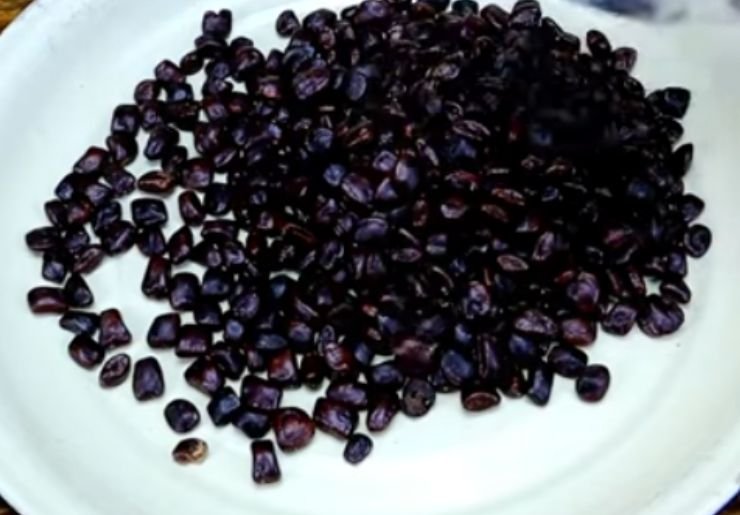
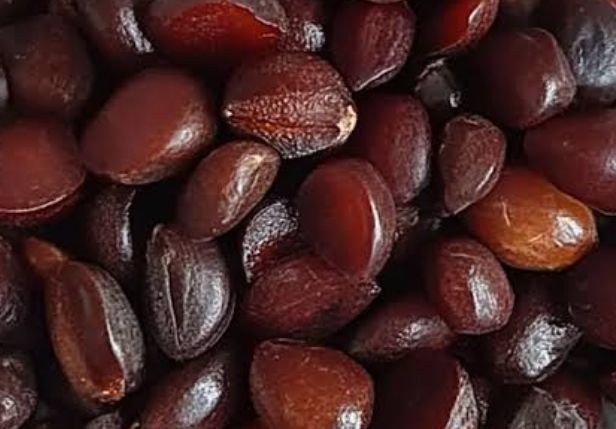
Tamarind seeds are the hard, glossy, oval seeds found inside the sticky pulp of tamarind pods.
Once separated from the fruit pulp, they can be roasted, boiled, or ground and used in cooking, traditional remedies, and a surprising range of industrial applications.
Compared to the fruit’s sharp sourness, described in our guide to what tamarind tastes like, raw seeds taste dense and mildly bitter, which is why most preparation methods aim at softening and mellowing them first.
Nutritional Value of Tamarind Seeds
A direct proximate analysis of raw tamarind seeds measured the following per 100 grams:
| Nutrient (per 100g) | Amount |
|---|---|
| Energy | 364 kcal |
| Protein | 20.5 g |
| Fat | 9.5 g |
| Crude fiber | 8.6 g |
| Moisture | 8.4% |
| Water absorption capacity | 20% |
| Oil absorption capacity | 16% |
These figures come from this proximate composition study of tamarind seeds.
Seeds run notably higher in protein and fat than the fruit pulp itself, which makes sense given they’re a different part of the plant; see our general tamarind nutrition facts page for how the pulp’s profile compares.
Beyond the macronutrients above, the seeds also contain B-complex vitamins, small amounts of vitamin C, and minerals including calcium, magnesium, and potassium, contributing to bone health and electrolyte balance when included in meals.
Health Benefits of Tamarind Seeds: What’s Backed by Research and What Isn’t
Tamarind seeds get credited with a long list of benefits, and it’s worth being clear about which ones rest on actual studies and which rest mainly on tradition and general nutrition.
Digestion
The seed’s fiber content directly supports regular bowel movements, and traditional remedies have long used powdered or roasted seeds for minor digestive discomfort.
This is grounded in the fiber content shown in the table above rather than a dedicated clinical trial.
Blood sugar, the most researched claim
A compound isolated from tamarind seeds has shown blood-sugar-lowering effects in preclinical studies, though this is early research on a specific extracted compound, not whole roasted seeds.
We cover those studies and their exact limits in detail in our tamarind seed powder guide, since that’s where the fuller citation breakdown lives.
Heart health
Antioxidant compounds in the seed may help combat oxidative stress, a mechanism plausibly linked to cardiovascular wellness, though this rests on the seed’s general antioxidant profile rather than a dedicated heart-health trial.
Appetite and inflammation
A study on rats with metabolic syndrome found that a compound from tamarind seed trypsin inhibitor reduced food intake and improved inflammatory markers, even without a measurable difference in weight loss compared to untreated animals, as detailed in this study on tamarind seed compounds and metabolic syndrome.
This is animal research on an isolated compound, not evidence that eating whole seeds produces the same effect.
Immunity and general research interest
Beyond the studies above, researchers have modeled antibacterial activity from peptides derived from tamarind seed compounds, detailed in this study on tamarind seed peptides and antibacterial activity, though this work is computational and lab-based rather than tested in humans.
The seed’s B-complex vitamins and minerals, shown in the table above, are the more established contributors to everyday immune support.
Skin and hair
Traditional use of the seed’s oil for skin and hair care is well established culturally; we cover that specific form in depth in our tamarind seed oil guide rather than repeating it here.
Culinary Uses of Tamarind Seeds
Whole seeds can be roasted or boiled and eaten as a crunchy snack; roasting in particular reduces bitterness and brings out a nuttier flavor.
Soaking or lightly boiling the seeds before use softens their texture further, and pairing them with spices or a touch of sweetener balances out any remaining bitterness.
Boiled or crushed seeds can also be stirred into traditional drinks or used as a rough natural thickener for sauces and gravies, thanks to natural gum compounds in the seed coat.
If you want to grind seeds into flour or powder for baking, smoothies, or a finer thickening agent, we cover that process and its own nutrition profile in detail in our tamarind seed powder guide, since powder behaves differently in a recipe than the whole seed does.
Industrial and Non-Food Uses
Tamarind seeds have a wide range of uses outside the kitchen, most of it tied to the natural gum in the seed coat.
That gum is used in cosmetics, adhesives, and as a thickening and stabilizing agent in manufacturing, along with emerging research into pharmaceutical and biofuel applications.
We cover this territory in more depth, including how the gum is extracted and its specific industrial applications, in our tamarind seed gum guide.
How to Harvest, Clean, and Store Tamarind Seeds
- Select fully ripe tamarind pods and remove the sticky pulp by hand or by soaking the pods in water until it softens.
- Separate the seeds from the pulp, rinse off any residue, and pat them dry with a clean cloth.
- Air-dry or sun-dry the cleaned seeds to reduce moisture before storing or roasting.
- Store dried or roasted whole seeds in an airtight container, away from moisture and direct sunlight, where they keep for several months.
Precautions and Possible Side Effects
- Raw seeds are hard to digest. The hard outer coating and natural compounds in raw seeds can be difficult on digestion; soaking, boiling, or roasting softens the coating and improves digestibility.
- Moderation matters. Excessive intake, especially of raw or improperly prepared seeds, may cause stomach upset or interfere with digestion.
- Extracted compounds appear safe in preclinical testing, but that’s not the same as clearance for medicinal use. A toxicity study on the seed’s trypsin inhibitor found no signs of acute toxicity in zebrafish testing, detailed in this safety study on tamarind seed trypsin inhibitor, though this is preliminary animal research, not a substitute for medical guidance on concentrated extracts.
- Medication interactions are possible. The seed compounds studied for blood sugar and metabolic effects may interact with diabetes medication or blood thinners, so check with a healthcare provider before regular, concentrated use.
Scientific Research Overview
The research picture on tamarind seeds is honestly mixed: strong on general nutrition and antioxidant activity, promising but early on blood sugar, and largely untested in humans for most other specific claims.
For citations covering tamarind more broadly, including the fruit pulp’s own research base, see our tamarind research page.
Conclusion
Tamarind seeds deserve better than the compost bin. Roasted, boiled, or ground, they carry protein and fiber, backed by nutrient analysis rather than guesswork.
Some benefits, like general digestion and nutrition, rest on the seed’s makeup itself, while the more exciting blood sugar research tested specific extracted compounds, not whole roasted seeds.
Prepare them before eating, since raw seeds are hard to digest and mildly bitter.
If you manage a health condition or take medication, check with your provider before adding concentrated extracts. See our tamarind seed powder guide next.
Frequently Asked Questions
What nutrients are in tamarind seeds?
Whole tamarind seeds are rich in plant protein, dietary fiber, and minerals like calcium and magnesium, according to direct nutrient analysis of the raw, unprocessed whole seed itself.
Can tamarind seeds help with blood sugar?
A compound isolated from tamarind seeds has shown blood-sugar-lowering effects in animal studies, though this has not yet been confirmed for whole roasted seeds in human clinical trials.
Are raw tamarind seeds safe to eat?
Raw seeds are hard to digest and slightly bitter, so soaking, boiling, or roasting them first is recommended before eating them regularly in any meaningful amount at all.
Are tamarind seeds used for anything besides food?
Yes, the seeds produce a natural gum used in cosmetics, adhesives, and textiles, and their extracts are studied for pharmaceutical and biofuel applications too, covered in more depth.

Chims Clements writes about herbs from personal experience and careful research. Growing up in Aba, Nigeria, moringa and tamarind were everyday household plants long before they became globally recognised superfoods. He uses both regularly in his home today. At Six Herbs he goes deep on moringa, tamarind, fenugreek, and sea moss — building honest, experience-backed content that separates what tradition knows from what science confirms. The content on this site is for informational purposes only and is not medical advice. Always consult a healthcare provider before using herbs medicinally.