
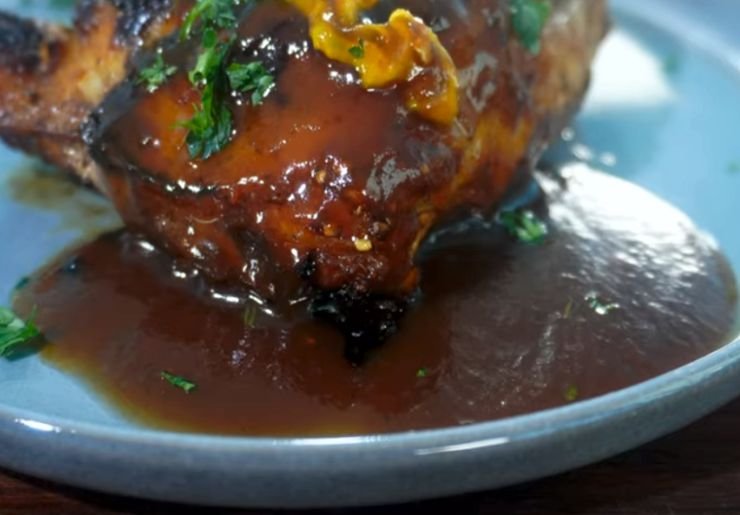
Find out how tamarind sauce adds a sweet-sour punch that transforms snacks, grilled foods, and everyday meals into unforgettable bites.
A good tamarind sauce changes the way many foods taste. One spoon can add sweet, sour, and slightly salty notes that wake up grilled meat, fried snacks, rice bowls, and roasted vegetables.
In many kitchens, a small jar sits ready for dipping, glazing, or drizzling over street food favorites.
Homemade preparation gives full control over sugar, spice, and thickness, so the flavor matches your taste.
Tamarind pulp, garlic, chili, and brown sugar blend into a rich sauce with deep color and bold aroma.
Once the mixture simmers and thickens, a spoonful can turn simple dishes into something far more exciting on the plate.
Recommended: What is Tamarind?
Table of Contents
What Is Tamarind Sauce?
Tamarind sauce is a flavorful condiment made primarily from tamarind pulp or tamarind paste, which comes from the pod of the tamarind tree.
It is known for its unique sweet and sour taste. The natural tanginess of tamarind is usually balanced with sweeteners such as sugar or honey, along with spices, chili, garlic, or ginger, depending on the recipe.
What Tamarind Sauce Tastes Like
Tamarind sauce brings a lively mix of sweet and sour flavors that quickens the palate.
Tamarind pulp provides a sharp tang, while sugar, jaggery, or brown sugar softens the bite and creates balance.
Natural acidity from the fruit gives the sauce a bright, citrus-like taste that pairs well with fried snacks, grilled chicken, seafood, noodles, and vegetables.
Chili powder, fresh chili, or chili flakes can add gentle heat that blends with the sweetness and tang.
The spice level can be adjusted to suit your taste. As the sauce simmers, the mixture thickens into a glossy texture that pours slowly from a spoon and clings well to food, making it ideal for dipping, glazing, or stirring into quick meals.
Ingredients for Tamarind Sauce
A rich sauce from tamarind starts with a small set of pantry ingredients that shape its sweet-sour flavor and thick texture.
Each ingredient adds balance, aroma, heat, or depth to the sauce.
Tamarind Paste or Tamarind Pulp
Tamarind paste or tamarind pulp forms the base of the sauce.
Mixing it with warm water loosens the thick pulp and releases its sharp, tangy taste.
Tamarind gives the sauce its deep brown color and bright sour note.
In many kitchens, this fruit pulp anchors tamarind chutney, dipping sauce, and stir-fry glaze.
Sugar, Jaggery, or Brown Sugar
Sugar, jaggery, or brown sugar softens the strong, sour bite of tamarind.
As the sauce simmers, the sweetener melts into the mixture and creates a smooth sweet-sour balance.
Jaggery brings a deep caramel flavor, while brown sugar adds a mild molasses note that works well in tamarind dipping sauce.
Salt
A small pinch of salt sharpens the flavor and keeps the sauce from tasting flat. Salt helps connect the sweet and sour notes so the taste feels balanced.
In tamarind chutney or tamarind dipping sauce, this simple ingredient lifts the tang and keeps every spoonful lively.
Garlic
Minced garlic adds a savory layer that deepens the sauce. As it cooks with tamarind and sugar, garlic releases a mild aroma that blends into the sweet-sour base.
Many tamarind sauce recipes include garlic to give dipping sauces and marinades a fuller taste that pairs well with meat and vegetables.
Fresh Ginger
Fresh ginger brings a light spicy warmth that blends well with tamarind’s tang.
Grated ginger releases fragrant oils that spread through the sauce during cooking.
This ingredient gives tamarind chutney a bright flavor and gentle heat that works well with grilled chicken, seafood, noodles, and rice dishes.
Chili Powder or Fresh Chili Peppers
Chili powder or chopped fresh chili peppers add heat to the sauce.
The spice mixes with the sour tamarind and sweet sugar to build a bold flavor.
A small amount gives gentle warmth, while more chili creates a strong spicy sauce used for dipping snacks or grilled foods.
Ground Cumin or Garam Masala
Ground cumin or garam masala adds earthy spice and aroma.
Stirring a small amount into the sauce gives depth that pairs well with tamarind’s sour taste.
These spices appear in many Indian tamarind chutney recipes and help the sauce match samosas, pakoras, roasted vegetables, and savory street snacks.
Vinegar
A splash of vinegar brightens the flavor and sharpens the tang.
The mild acidity blends with tamarind and sugar, giving the sauce a lively taste.
Vinegar also helps the sauce keep longer in the refrigerator, which makes it useful when preparing a batch for dipping, glazing, or quick cooking.
Recommended Posts
How to Prepare the Refreshing Tamarind Juice/Drink
The Tamarind Fruit: Everything to Know
How to Use the Tamarind Leaves
Health Benefits of Tamrind Seeds
What Does Tamarind Taste Like?
Nutritional Benefits of Tamarind
How to Make Tamarind Sauce (Step-by-Step)
Follow these simple steps to prepare a thick, sweet-sour sauce perfect for dipping, marinades, or stir-fry dishes.
Step 1 – Prepare Tamarind Base
Start by preparing the tamarind base. Tamarind paste can be diluted with warm water until smooth and pourable.
When using tamarind pulp from pods, soak the pulp in warm water for several minutes.
Press and mash it with a spoon to release the tangy juice, then strain out the fibers and seeds.
Step 2 – Combine Ingredients
Pour the prepared tamarind liquid into a saucepan. Add water, sugar or jaggery, and a small pinch of salt.
Stir in optional spices such as chili powder, grated ginger, minced garlic, or ground cumin.
Mix everything well so the sweeteners dissolve and the spices spread evenly through the sauce.
Step 3 – Simmer the Sauce
Place the saucepan over medium-low heat and let the mixture simmer gently.
Stir occasionally to keep the sauce from sticking to the bottom. As it cooks, the liquid slowly reduces and thickens.
After several minutes, the sauce should develop a rich aroma and a glossy texture.
Step 4 – Adjust Flavor
Taste the sauce and adjust the balance. Add more sugar if the tamarind tastes too sour.
A small pinch of salt can sharpen the flavor, while extra chili or spice can increase the heat.
Stir well after each addition until the sauce reaches a sweet, tangy, and slightly spicy balance.
Step 5 – Cool and Store
Remove the saucepan from the heat and allow the tamarind sauce to cool.
As it cools, the sauce thickens slightly. Transfer it into a clean glass jar or an airtight container.
Store it in the refrigerator, where it can stay fresh for several days and remain ready for dipping or cooking.
Tips for the Best Tamarind Sauce
Small adjustments during cooking help shape a balanced tamarind sauce.
Paying attention to sweetness, acidity, and texture helps create a smooth, glossy sauce that coats food well.
Adjust Sweetness and Acidity
Taste the sauce before finishing and adjust sugar or jaggery to soften sharp tamarind tang. If flavor feels flat, a little lemon juice or vinegar brightens it.
Control Thickness with Water or Simmering
Sauce thickness changes how it works with food. Add small amounts of water for drizzling consistency, or simmer longer to reduce liquid and build a thicker glaze.
Strain for a Smoother Texture
For a smooth finish, pass the sauce through a fine mesh strainer. This step removes fibers and pulp bits, leaving a glossy tamarind sauce.
Taste and Balance Flavors at the End
Final tasting helps balance sweet, sour, and spice. Adjust salt, sugar, or chili gradually until the tamarind sauce tastes lively and balanced for dipping.
Variations of Tamarind Sauce
Sauce made from tamarind takes on different forms around the world, each reflecting local flavors and cooking styles.
From tangy chutneys to spicy Caribbean dips, these variations let you enjoy tamarind in many ways.
Indian Tamarind Chutney
Indian tamarind chutney blends tamarind paste or pulp with jaggery, ground cumin, and chili powder.
This creates a sweet, tangy, and slightly spicy sauce commonly served with samosas, pakoras, and other street foods.
The balance of sour tamarind and jaggery sweetness makes it a favorite dipping sauce in Indian cuisine.
Caribbean Tamarind Sauce
Caribbean sauce from tamarind mixes tamarind with garlic, Scotch bonnet peppers or other local chilis, and fresh herbs.
The result is a bold, tangy sauce with heat and aromatic layers. It pairs perfectly with grilled meats, seafood, and tropical-inspired dishes.
Southeast Asian Tamarind Sauce
In Southeast Asia, tamarind sauce often combines tamarind paste with fish sauce, palm sugar, and sometimes chili.
This creates a tangy, slightly salty, and sweet flavor that works well in stir-fries, noodle dishes, and dipping sauces for fried snacks.
Tamarind BBQ Sauce
Tamarind BBQ sauce adds tomato, vinegar, and spices to the tamarind base.
The tangy-sweet flavor complements grilled meats, chicken wings, and ribs.
This variation combines the sharpness of tamarind with smoky, savory notes typical of barbecue sauces.
Different regions adapt tamarind sauce using local spices and ingredients, giving each version a distinct flavor profile while keeping the signature sweet-sour tang.
How to Use Tamarind Sauce
Sauce made from tamarind pulp has a thick, glossy texture that helps it cling to foods, while the balance of sour, sweet, and spice lifts simple recipes into something special.
Here is how to use it in different recipes:
Dipping Sauce for Samosas and Fried Foods
Serve the sauce alongside samosas, pakoras, spring rolls, or fried snacks.
Its tangy sweetness cuts through the richness of fried foods, giving each bite a bright, flavorful contrast that keeps you reaching for more.
Glaze for Chicken or Pork
Brush the sauce from tamarind onto grilled or roasted chicken, pork, or even shrimp.
Simmering the sauce first concentrates its flavors, creating a sticky, flavorful glaze that caramelizes beautifully on the grill or in the oven.
Flavor Base for Stir-Fries and Curries
Add a spoonful of the sauce to stir-fries, vegetable sautés, or curries.
It brings depth, balancing salty, sweet, and spicy elements while giving the dish a subtle tang that ties all the ingredients together.
Salad Dressing or Marinade
Mix the sauce with oil, vinegar, or lime juice to make a quick salad dressing.
It also works as a marinade for meats, tofu, or paneer, infusing them with tangy, sweet, and slightly spicy notes before cooking.
Sauce for Grilled Vegetables
Toss roasted or grilled vegetables in the sauce for extra flavor.
The thick sauce clings to zucchini, eggplant, peppers, or mushrooms, giving a bright, tangy layer that complements smoky char and natural sweetness.
What to Serve With Tamarind Sauce
Sauce from tamarind pairs well with a variety of dishes, adding a tangy-sweet kick that complements both simple and rich foods.
Its thick, glossy texture and balanced flavor make it an easy way to enhance meals across cuisines.
Fried Snacks
The sauce is perfect with fried snacks like samosas, pakoras, or spring rolls.
The sweet-sour tang cuts through the crisp, oily exterior and adds a zesty contrast that makes each bite more satisfying.
Grilled Meats
Brush or serve tamarind sauce with grilled chicken, pork, or beef.
Its sticky, flavorful coating caramelizes on the grill and highlights smoky flavors, creating a sweet-tangy complement to savory meats.
Roasted Vegetables
Roasted or grilled vegetables come alive with tamarind sauce.
Drizzle it over zucchini, eggplant, peppers, or carrots to add a layer of tangy-sweet flavor that balances their natural earthiness.
Rice and Noodle Dishes
Stir tamarind sauce into rice or noodle dishes for an instant flavor boost.
It works well in fried rice, biryani, pad Thai, or stir-fried noodles, adding depth and a subtle tang that ties all the ingredients together.
Street Foods and Sandwiches
The sauce elevates street foods and sandwiches. Try it with tacos, wraps, or burger-style sandwiches, or drizzle over street-style chaats for a tangy punch that brightens every bite.
Tamarind Sauce vs Tamarind Paste
Tamarind paste and tamarind sauce come from the same fruit but serve different roles in cooking.
Tamarind paste is concentrated tamarind pulp with no added sugar, spices, or water.
Its strong tang makes it a base ingredient used in curries, soups, marinades, stir-fries, and homemade sauces.
Flavor and thickness can be adjusted during cooking.
Tamarind sauce, in contrast, is a finished condiment prepared from tamarind paste or pulp mixed with water, sugar or jaggery, salt, and spices.
The result is a balanced sweet-sour flavor with a thicker, glossy texture.
Tamarind sauce is ready to use straight from the jar and works well as a dip, glaze for grilled meat, topping for street snacks, or drizzle over noodles and fried foods.
Watch the video on how to Make Tamarind Sauce
Frequently Asked Questions
What ingredients do I need to make tamarind sauce?
You need tamarind pulp, water, optional sweeteners like honey, and spices such as ginger or chili for flavor.
How do I prepare homemade tamarind sauce?
Soak tamarind in warm water, mash and strain the pulp, then mix with spices and sweeteners for a tangy sauce.
Can tamarind sauce be stored for later use?
Yes, store it in an airtight container in the refrigerator for 3–5 days, shaking before serving if separation occurs.
How can I use tamarind sauce in meals?
Add it to grilled vegetables, lean proteins, soups, or use as a dip to enhance flavor with sweet and tangy notes.
Conclusion
Tamarind sauce is a simple yet flavorful addition to many dishes, bringing a perfect balance of sweet, sour, and sometimes spicy notes.
Made from tamarind pulp or paste, combined with sugar, salt, and optional spices, it can be adapted to suit a variety of cuisines, from Indian chutneys and Southeast Asian stir-fries to Caribbean dips and tangy barbecue glazes.
Its thick, glossy texture makes it ideal as a dipping sauce, glaze, marinade, or stir-fry ingredient.
Aside flavor, tamarind offers health benefits, providing antioxidants, vitamins, minerals, and digestive support.
With basic ingredients and a few easy steps, you can create a homemade tamarind sauce that brightens fried snacks, grilled meats, vegetables, and rice dishes, adding a tangy, versatile touch to your meals.
Reference