
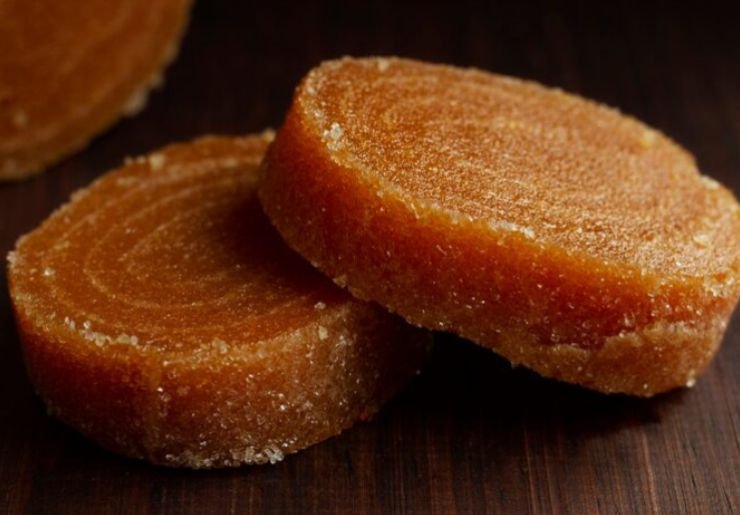
Tamarind candy bursts with sweet, sour, and spicy flavors, making every bite a tangy, irresistible homemade treat to enjoy.
Tamarind candy offers a bold combination of flavors that excite your taste buds.
Its balance of sweet, sour, and spicy notes makes it a favorite for those who enjoy snacks with a tangy twist.
Making it at home allows you to control the sweetness and spice, creating a treat that perfectly suits your palate.
Many people turn to homemade candy as a fun cooking project or a flavorful addition to gatherings, snacks, or packed lunches.
When enjoyed in moderation, it can satisfy cravings for something sweet while offering a unique taste experience.
Adding spices like chili or ginger adds warmth, while natural sweeteners enhance flavor without overpowering the tangy punch.
Homemade preparation ensures freshness and quality in every bite.
Recommended: Tamarind: The Tangy Herb You Should Know
Table of Contents
What is Tamarind Candy?
Tamarind candy is a popular sweet and tangy treat made from the pulp of the tamarind fruit. It combines the fruit’s natural sour flavor with sugar, honey, or spices like chili to create a sweet, sour, and sometimes spicy taste.
Often shaped into small balls, rolls, or bite-sized pieces, tamarind candy is enjoyed as a snack or street food in many countries.
Beyond its bold flavor, it contains fiber and antioxidants from the fruit, offering a tasty, slightly nutritious alternative to conventional sugary candies when eaten in moderation.
What Tamarind Candy Tastes Like
Tamarind candy has tangy, sweet, and sometimes spicy flavors.
Here are some of the flavours you can get from different versions of tamarind candy:
Sour Tang from Tamarind Fruit
The first thing you notice is the sharp tang from tamarind pulp. Tamarind fruit has a natural sourness that feels bright and refreshing.
That tart flavor gives tamarind candy its signature punch and keeps it from tasting overly sugary.
Sweetness from Sugar or Jaggery
Sugar or jaggery balances the sour tamarind flavor. The sweetness softens the acidity and creates the sweet-sour taste that many people love.
Some recipes use brown sugar or palm sugar to add a deeper caramel-like note.
Slight Saltiness or Chili Heat in Some Versions
Many regional recipes add a pinch of salt or chili powder. Salt sharpens the flavor, while chili introduces a gentle heat that contrasts with the sweetness.
This sweet-sour-spicy combination is common in street-style tamarind candy.
Chewy or Sticky Texture
Tamarind candy usually has a chewy, sticky texture. The thick pulp and sugar mixture forms a soft candy that slowly melts as you chew, letting the tangy flavor release with every bite.
Ingredients for Tamarind Candy
Tamarind candy begins with a small group of ingredients that shape its sweet-sour taste and chewy bite.
Each one plays a clear role, from flavor balance to texture.
Tamarind Pulp or Tamarind Paste
Tamarind pulp or paste forms the base of tamarind candy. Its sticky texture holds the mixture together while the natural sour taste gives the candy its sharp tang.
Sugar or Brown Sugar
Sugar balances tamarind’s strong sour taste and thickens the mixture as it melts.
Brown sugar adds a deeper caramel note and darker color to the candy.
Salt
A pinch of salt sharpens the sweet-sour taste and keeps the candy from tasting flat. It lifts tamarind’s natural tang and balances the sugar.
Chili Powder
Chili powder adds gentle heat that pairs well with sour tamarind. Many street-style tamarind candies include chili for a sweet-sour-spicy taste that wakes up the palate.
Lime Juice
Lime juice adds fresh citrus flavor and bright acidity. It sharpens tamarind’s tang and gives the candy a clean, lively taste that feels lighter.
Ginger Powder
Ginger powder adds mild warmth and spice to tamarind candy. The flavor blends with the fruit’s tang and gives the sweet a deeper, fuller taste.
Corn Syrup or Glucose Syrup
Corn syrup or glucose syrup keeps tamarind candy smooth and chewy. It prevents sugar crystals from forming and helps the candy stay soft longer.
Related Posts
How to Make Tamarind Juice and Drink
Everything to Know about Black Velvet Tamarind
Tamarind Leaves Nutrition Facts
The Structure and Parts of the Tamarind Tree
How to Make Tamarind Candy (Step-by-Step)
Homemade tamarind candy brings bright tang, balanced sweetness, and a chewy bite.
A small saucepan, a spoon, and simple ingredients are enough.
Follow these steps to turn tamarind pulp into soft candies you can roll, cut, and coat with sugar or chili.
Step 1 – Prepare Tamarind Pulp
Start with clean tamarind pulp. When using whole tamarind pods, remove the shell and veins, then soak the pulp in warm water for several minutes.
Press and mash it with your fingers or a spoon to release the thick paste. Strain out seeds and fibers, then blend or mash until smooth.
Step 2 – Cook the Mixture
Place the tamarind pulp in a saucepan. Add sugar or brown sugar and a small pinch of salt.
Stir well and heat over low to medium heat. Keep stirring as the mixture warms.
The sugar melts and blends with the pulp, turning thick, glossy, and sticky.
Step 3 – Add Flavorings
Stir in optional flavorings once the mixture thickens. Chili powder adds a spicy kick, while lime juice sharpens the tang.
A pinch of ginger powder or other spices can deepen the flavor. Mix well so the seasoning spreads through the candy base.
Step 4 – Shape the Candy
Remove the thick mixture from the heat and let it cool slightly. Scoop small portions and roll them into balls using lightly oiled hands.
You can also press the mixture into a flat layer and cut it into bars or strips. Coat the pieces with sugar, chili powder, or a mix of both.
Step 5 – Cool and Set
Place the shaped candies on parchment paper or a tray. Let them cool completely so they firm up and hold their shape.
Once set, store the tamarind candy in an airtight container to keep it soft and chewy.
Tips for the Best Tamarind Candy
Great tamarind candy comes down to flavor balance and texture.
A few simple adjustments during preparation can help you achieve a chewy candy with the right mix of tang, sweetness, and spice.
Balance Sour and Sweet Flavors
Tamarind pulp has a strong sour taste, so the right amount of sugar is important.
Taste the mixture while cooking and adjust the sweetness as needed. More sugar softens the sharp tang, while less sugar keeps the candy bright and tart.
Use Thick Tamarind Pulp for Better Texture
A thick tamarind pulp creates a better candy base. If the pulp feels watery, cook it longer so the mixture reduces and becomes sticky.
This helps the candy hold its shape and gives it the chewy texture people expect.
Adjust Chili Level for Spice Preference
Chili powder adds a pleasant heat that pairs well with tamarind.
Start with a small amount and increase slowly until the spice level suits your taste.
Some people prefer mild sweetness, while others enjoy a stronger sweet-sour-spicy kick.
Dust with Sugar to Prevent Sticking
Candy from tamarind can be sticky after shaping. Roll the pieces lightly in sugar to keep them from sticking together.
This also adds a thin, sweet coating that improves texture and makes the candy easier to handle and store.
Popular Types of Tamarind Candy
The candy appears in many cultures, each adding local ingredients and flavors.
Some versions lean sweet, others bring heat from chili, while a few mix spices for a deeper taste.
These regional styles show how tamarind’s tangy pulp can turn into many different sweet-and-sour treats.
Mexican Tamarind Candy
Mexican tamarind candy blends tamarind pulp with sugar and chili powder. The mixture is shaped into small balls, ropes, or paste-filled sticks.
Many candies are coated with chili seasoning for a bold sweet-sour-spicy bite.
These treats appear in street markets, candy shops, and packaged snacks across Mexico.
Thai Tamarind Candy
Thai tamarind candy usually focuses on sweetness and chewiness.
Tamarind paste is mixed with sugar or palm sugar, then rolled into small chewy pieces or pressed into soft bars.
The flavor leans more sweet-sour with little or no chili, making it a simple and refreshing snack.
Indian Tamarind Candy
Indian tamarind candy mixes tamarind pulp with jaggery and warming spices.
The jaggery adds a deep caramel-like sweetness that balances the tang of the fruit.
Some versions include ginger powder, cumin, or black salt, giving the candy a sweet, sour, and slightly spiced flavor.
Tamarind Lollipop Candy
Tamarind lollipop candy forms when thick tamarind paste is wrapped around a stick and coated with chili powder or sugar.
The candy has a sticky, chewy texture that slowly releases sweet, sour, and spicy flavors as you lick or bite into it.
How Tamarind Candy Is Made Commercially
Large candy producers follow a structured process to turn tamarind fruit into shelf-stable sweets.
The goal is steady flavor, safe handling, and shapes that travel well in stores and street stalls.
Tamarind Pulp Extraction
Producers start with ripe tamarind pods or bulk paste. Shells and fibers are removed, seeds are separated, and the pulp is washed.
Industrial mixers break the pulp down, and then it passes through filters to remove any remaining strands.
The result is smooth tamarind puree ready for candy making.
Mixing with Sugar Syrup
The puree moves to large kettles where sugar syrup is added.
Salt and optional ingredients like chili powder or flavor extracts can be included at this stage.
Controlled mixing spreads the syrup evenly, building the sweet-sour base that defines tamarind candy.
Cooking and Thickening
Heat is applied while the mixture is stirred continuously. Water evaporates and the paste thickens into a sticky mass.
Temperature control keeps the texture chewy rather than hard. This step locks in flavor and prepares the candy for shaping.
Molding into Shapes
The thick paste is pushed through rollers or molds to form balls, bars, ropes, or paste-filled sticks.
Some lines coat the candy with chili powder or sugar crystals. Machines cut the shapes into uniform pieces for a consistent size.
Packaging
Finished candies are cooled on trays or conveyor belts, then moved to packaging.
Each piece is wrapped or sealed in plastic packets to protect freshness.
Boxes or bags are labeled and prepared for distribution to shops, markets, and export.
How to Store Tamarind Candy
Proper storage keeps the candy fresh, chewy, and full of flavor. Because the candy contains fruit pulp and sugar, keeping it away from moisture and heat helps maintain its texture and prevents spoilage.
Store in Airtight Containers
Place the candy in an airtight container after it has cooled completely.
This protects it from air and humidity, which can make the candy sticky or cause it to harden.
Airtight jars, sealed plastic containers, or resealable bags work well for storage.
Keep in a Cool Dry Place
Store the container in a cool, dry area such as a pantry or kitchen cabinet.
Avoid placing it near heat sources like stoves or direct sunlight, since high temperatures can soften the candy too much and affect its flavor.
Refrigeration for Longer Shelf Life
Refrigeration can help the candy last longer. Place the candy in a sealed container before putting it in the refrigerator to prevent it from absorbing other food odors.
Let the candy sit at room temperature for a few minutes before eating so it softens slightly.
Shelf Life
Homemade tamarind candy can last several weeks when stored properly.
Candies with higher sugar content tend to last longer because sugar acts as a natural preservative.
Always check for changes in smell, texture, or mold before consuming.
Health Benefits of Tamarind
Tamarind is beyond tasty; it also offers nutritional benefits when included in your diet.
Whether eaten as candy, paste, or in sauces, tamarind delivers several health-supporting compounds naturally.
Rich in Antioxidants
Tamarind contains antioxidants that help your body fight free radicals.
These compounds can support overall cellular health and contribute to reducing oxidative stress, making tamarind a flavorful way to add protective nutrients to your diet.
Contains Vitamins and Minerals
Tamarind is a source of essential vitamins, including vitamin C and B vitamins, as well as minerals such as potassium, magnesium, and iron.
Even small amounts of candies or snacks contribute nutrients alongside the sweet-sour flavor.
Natural Fruit-Based Snack
Tamarind candy or tamarind-based treats use real fruit pulp, making them a more natural alternative to heavily processed sweets.
You get a fruit-based snack that combines tangy, sweet, and sometimes spicy flavors with some nutritional value.
Conclusion
Tamarind candy is a delightful blend of sweet, sour, and spicy flavors that brings a burst of taste with every bite.
Making it at home allows you to control the ingredients, adjust sweetness and spice, and enjoy a fresh, preservative-free treat.
Its rich tanginess and natural sweetness make it not only a tasty snack but also a fun culinary experiment.
Across cultures—from Mexico to India, tamarind candies hold a special place as beloved street treats and homemade favorites.
Whether enjoyed as a quick snack or shared with friends and family, homemade tamarind candy celebrates creativity, flavor, and tradition, offering a unique, satisfying experience that is both nostalgic and exciting.
Frequently Asked Questions
What ingredients do I need to make tamarind sauce?
You need tamarind pulp, water, optional sweeteners like honey, and spices such as ginger or chili for flavor.
How do I prepare homemade tamarind sauce?
Soak tamarind in warm water, mash and strain the pulp, then mix with spices and sweeteners for a tangy sauce.
Can tamarind sauce be stored for later use?
Yes, store it in an airtight container in the refrigerator for 3–5 days, shaking before serving if separation occurs.
How can I use tamarind sauce in meals?
Add it to grilled vegetables, lean proteins, soups, or use as a dip to enhance flavor with sweet and tangy notes.
Reference