
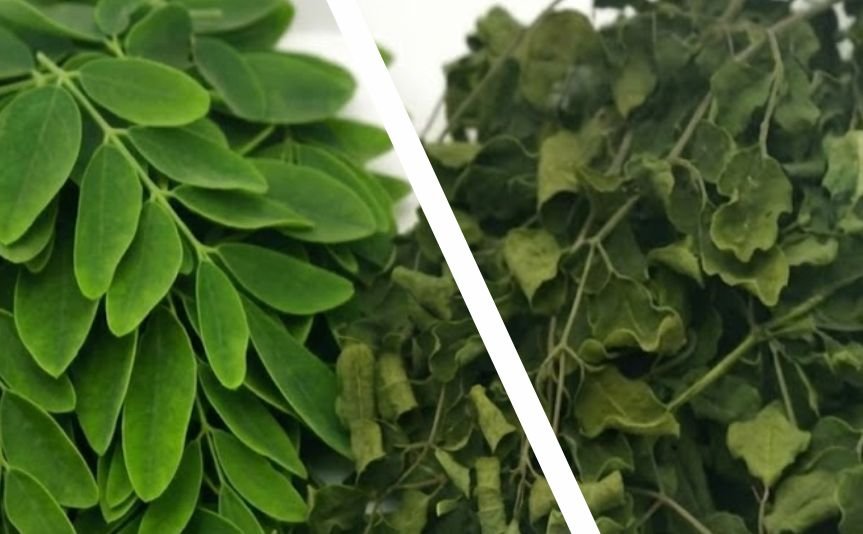
Nutritional facts of moringa leaves reveal a concentrated source of essential vitamins, minerals, and macronutrients that differ between fresh and dried forms.
The nutritional information of moringa leaves gives you a clear picture of how nutrient-dense they are, whether you use them fresh or dried.
You get vitamins like A, C, and folate straight from the fresh leaves, along with minerals such as calcium, potassium, and iron that fit naturally into everyday meals.
Dried moringa leaves offer even more concentration, giving you higher protein levels and stable bioactive compounds that remain active during storage.
Both forms supply steady amounts of vitamins, minerals, and macronutrients that support clean eating.
As you work with moringa leaves in simple dishes, you notice how much nourishment they hold and why they stand out in nutrition-focused cooking.
Table of Contents
Macronutrients in Moringa Leaves
Moringa leaves offer a balanced mix of proteins, fats, carbohydrates, and fiber that support daily nutrition and wellness.
Knowing their macronutrient content helps you make informed choices for meals, smoothies, or supplements to maintain energy, support digestion, and promote overall health using plant-based sources.
Protein
Moringa leaves are a rich source of protein. Fresh leaves contain 6-9 grams per 100 grams, while dried leaves concentrate protein to 24-30 grams per 100 grams.
The drying process removes water, increasing nutrient density.
Both fresh and dried leaves include essential amino acids such as leucine, isoleucine, and valine, supporting muscle repair, growth, and overall bodily functions effectively.
Carbohydrates and Dietary Fiber
Moringa leaves provide carbohydrates and fiber for energy and digestive health.
Fresh leaves contain about 8 grams of carbohydrates and 2 grams of fiber per 100 grams, while dried leaves have 38 grams of carbohydrates and 19 grams of fiber.
This fiber helps regulate bowel movements, supports gut bacteria, and promotes satiety, making moringa leaves a valuable addition to a balanced diet.
Fat and Essential Fatty Acids
Moringa leaves contain small amounts of healthy fats, mainly omega-3 and omega-6 fatty acids.
Fresh leaves provide 1-2 grams per 100 grams, while dried leaves have higher concentrations due to water removal.
These fatty acids support heart health, brain function, and regulate inflammation. Incorporating moringa leaves into meals or smoothies ensures you receive essential fats naturally for daily nutrition and wellness.
| Macronutrient | Fresh Moringa Leaves | Dried Moringa Leaves | Benefits |
|---|---|---|---|
| Protein | 6-9% | 25-30% | Supports muscle health, energy, and daily plant-based protein intake. |
| Fat | 0.2-0.5% | Slightly higher due to concentration | Provides healthy unsaturated fats for heart health and nutrient absorption. |
| Carbohydrates | 24-28% | Concentrated | Offers energy and dietary fiber for digestion, satiety, and gut health. |
| Dietary Fiber | Included in carbs | Higher concentration | Promotes digestive comfort, nutrient absorption, and regular bowel movements. |
Related Posts
Blood Sugar Control with Moringa Leaves
Moringa Leaves Antioxidant Benefits
Benefits of Moringa Leaves to Menopausal Women
Health Benefits You Get from Moringa Leaves
Micronutrients in Moringa Leaves
Moringa leaves are packed with vitamins and minerals that support overall health.
Consuming fresh or dried leaves gives you access to these micronutrients, with dried leaves offering concentrated amounts.
Knowing how vitamins and minerals differ between fresh and dried forms helps you make better dietary choices and plan meals that support immunity, bone strength, and energy naturally.
Vitamins in Moringa Leaves
Moringa leaves provide vitamin A for healthy vision and immune support.
Fresh leaves contain about 6,700 IU per 100 grams, while drying raises this to 18,000 IU.
Vitamin C supports skin health and wound healing, present at 52 mg in fresh leaves.
These vitamins work together to keep your body resilient and functioning optimally.
Mineral Composition
Moringa leaves are rich in minerals that maintain body function.
Calcium supports bones, potassium aids nerve and muscle activity, magnesium helps metabolism, and iron is vital for red blood cells.
Drying increases mineral concentration, making dried leaves a strong source for improving dietary intake.
Including them in your diet supports energy, heart health, and overall wellness naturally.
Zinc and Trace Minerals
Beyond major minerals, moringa leaves contain zinc and other trace elements.
Zinc supports immune health and enzyme activity, while magnesium and potassium regulate key body functions.
Fresh leaves offer moderate amounts, but drying concentrates these minerals.
Adding both fresh and dried leaves to meals or teas helps you meet micronutrient needs and maintain balanced nutrition throughout the day.
| Micronutrient | Function / Benefit | Amount in Fresh Leaves per 100g | Amount in Dried Leaves per 100g |
|---|---|---|---|
| Vitamin A | Supports vision and immune system | 6,700 IU | 18,000 IU |
| Vitamin C | Supports skin health and wound healing | 52 mg | 7.8 mg |
| Calcium | Maintains bone strength | 185 mg | 300 mg |
| Potassium | Supports nerve and muscle function | 356 mg | 1,200 mg |
| Magnesium | Aids metabolism and cellular function | 57 mg | 300 mg |
| Iron | Vital for red blood cell production | 4 mg | 7 mg |
| Zinc | Supports immune function and enzyme activity | 0.6 mg | 3.6 mg |
| Other Trace Elements (Selenium, Copper, Manganese) | Support immunity, connective tissues, and red blood cell formation | Moderate | Concentrated |
Trace Elements and Phytochemicals in Moringa Leaves
Moringa leaves contain trace elements and phytochemicals that support your health in many ways.
Both fresh and dried leaves can contribute to a nutrient-rich diet.
Selenium, Copper, and Manganese
Selenium in moringa helps your immune system and protects cells from oxidative stress.
Copper supports iron metabolism and red blood cell production.
Manganese contributes to bone health and connective tissue formation.
Eating moringa leaves gives your body access to these trace elements, helping maintain energy levels, healthy bones, and proper cellular function.
Flavonoids and Polyphenols
Moringa leaves contain flavonoids and polyphenols, plant compounds that reduce inflammation and fight free radicals.
Flavonoids help protect cells, while polyphenols support heart function and metabolic processes.
Consuming moringa regularly provides these protective compounds, which may help your body maintain cardiovascular health and improve resilience against oxidative stress naturally.
Chlorophyll and Detoxification
Chlorophyll gives moringa leaves their green color and may support liver detoxification and overall cleansing processes.
Both fresh and dried leaves retain this compound, helping your body process toxins.
Adding moringa to meals or teas provides chlorophyll along with trace minerals and phytochemicals, offering natural support for energy, metabolism, and overall wellness.
| Component | Function / Benefit | Notes on Fresh vs Dried Leaves |
|---|---|---|
| Selenium | Supports immune system, protects cells from oxidative stress | Present in both fresh and dried leaves, slightly concentrated in dried form |
| Copper | Aids iron metabolism, supports red blood cell production | Retained in dried leaves with slightly higher concentration |
| Manganese | Supports bone health, helps form connective tissues | Higher concentration in dried leaves due to water loss |
| Flavonoids | Reduce inflammation, protect cells from oxidative damage | Found in both forms, levels may vary with processing |
| Polyphenols | Support heart health, assist metabolic functions | Concentrated slightly in dried leaves, maintain activity |
| Chlorophyll | Supports detoxification and liver function | Present in both fresh and dried leaves, helps body process toxins |
Comparing Fresh and Dried Moringa Leaves
Moringa leaves are valued for their dense nutrient content, providing vitamins, minerals, and antioxidants.
Consuming fresh or dried leaves impacts how much of these nutrients your body receives.
Fresh leaves offer vibrant green color, high moisture, and delicate texture, making them ideal for salads, smoothies, and light cooking.
Dried leaves concentrate nutrients like protein, calcium, and iron, though some heat-sensitive vitamins, such as vitamin C, may be reduced.
Understanding these differences helps you choose the form that best fits your dietary goals.
Nutrient Density Differences
Fresh moringa leaves contain around 80 percent water, which lowers nutrient concentration per gram but preserves heat-sensitive vitamins and phytonutrients.
Drying removes water, increasing protein, minerals, and other stable nutrients, making dried leaves a concentrated source.
Vitamin C decreases during dehydration, while calcium, iron, and other minerals become denser.
Including both fresh and dried forms in your diet allows you to enjoy a mix of hydrating, vitamin-rich leaves and nutrient-dense dried leaves for supplements or powders.
Water Content and Caloric Impact
Fresh moringa leaves have high water content, keeping their caloric value low while providing essential nutrients like vitamins A, C, and E.
They are perfect for adding volume and hydration to meals without extra calories.
Dried leaves contain minimal water, making them calorie-dense but nutrient-rich.
A small amount of dried powder can deliver the same nutrients as a larger serving of fresh leaves, allowing you to supplement efficiently or fortify meals with concentrated nutrition.
Tips for Maximizing Nutritional Intake
Getting the most from moringa leaves, fresh or dried, depends on proper storage and preparation.
Small adjustments in handling, washing, and cooking can help you retain vitamins, minerals, and antioxidants.
Using the right methods ensures your body benefits fully from moringa’s nutrients while keeping flavors and textures enjoyable.
Storing Fresh Moringa Leaves
Store fresh moringa leaves in a breathable container like a paper bag inside the refrigerator.
This allows air circulation, reducing spoilage and nutrient loss. Try to use them within a week.
Proper storage preserves water-soluble vitamins like vitamin C and antioxidants, helping you get the full benefits of fresh leaves in salads, smoothies, or cooked dishes.
Preparing Fresh Leaves
Rinse fresh leaves gently under running water to remove dirt and impurities.
Avoid soaking, as this can wash away water-soluble vitamins. Pat the leaves dry before adding them to salads or cooking.
Quick cooking methods like steaming for a few minutes help maintain nutrients, while boiling or frying can reduce the vitamin and antioxidant content.
Storing Dried Moringa Leaves
Keep dried moringa leaves in an airtight container in a cool, dark place to prevent nutrient loss from light and moisture.
Using them within six months ensures maximum flavor and nutrition.
Proper storage protects concentrated protein, minerals, and antioxidants, allowing you to incorporate dried leaves into powders, teas, or recipes safely and effectively.
Cooking with Dried Leaves
Add dried moringa leaves towards the end of cooking to minimize heat exposure.
This approach preserves delicate nutrients like vitamins and phytonutrients while still providing protein, minerals, and antioxidants.
Using dried leaves in soups, sauces, or smoothies allows you to boost your nutrient intake efficiently without losing valuable compounds.
Combining Fresh and Dried Leaves
Consider alternating fresh and dried moringa leaves in your meals to balance hydration and concentrated nutrients.
Fresh leaves provide water-soluble vitamins, while dried leaves offer dense minerals and protein.
Using both forms helps you enjoy a range of benefits, supporting immunity, bone health, and energy while keeping your diet varied and nutrient-rich.
Conclusion
Moringa leaves provide a rich mix of nutrients that support overall health.
Fresh leaves supply water-soluble vitamins like A, C, and folate, along with minerals such as calcium, potassium, and iron, making them excellent for everyday meals.
Dried leaves concentrate protein, minerals, and stable phytonutrients, offering a compact nutritional boost.
By including both fresh and dried forms, you can balance hydration, vitamins, and mineral intake.
Whether added to salads, smoothies, or powders, moringa leaves deliver steady energy, support immunity, aid digestion, and promote bone and heart health naturally.
Using proper storage and preparation techniques ensures you maximize the benefits of this nutrient-dense superfood.
Frequently Asked Questions
What vitamins are found in moringa leaves?
Moringa leaves contain vitamins A, C, E, and B-complex, supporting vision, immunity, skin health, energy metabolism, and overall wellness. Fresh leaves have higher vitamin C content than dried leaves.
How much protein is in fresh versus dried moringa leaves?
Fresh moringa leaves provide 6-9 grams of protein per 100 grams, while dried leaves concentrate protein to 24-30 grams, supporting muscle repair and daily nutrition.
Are moringa leaves high in minerals?
Yes, moringa leaves are rich in calcium, potassium, magnesium, iron, and zinc. Dried leaves provide concentrated minerals, while fresh leaves supply moderate amounts with hydration.
Do dried moringa leaves retain phytochemicals?
Dried moringa leaves retain flavonoids, polyphenols, and chlorophyll. Some heat-sensitive compounds, like vitamin C, may be reduced, but antioxidants and minerals remain largely intact.
Can moringa leaves support digestion and satiety?
Yes, moringa leaves contain fiber that regulates bowel movements, promotes gut health, and increases satiety. Dried leaves offer higher fiber concentrations for more digestive support.
How should I store moringa leaves to maintain nutrients?
Store fresh leaves in the refrigerator in a breathable container for up to a week. Dried leaves should be in airtight containers in cool, dark places for up to six months.