
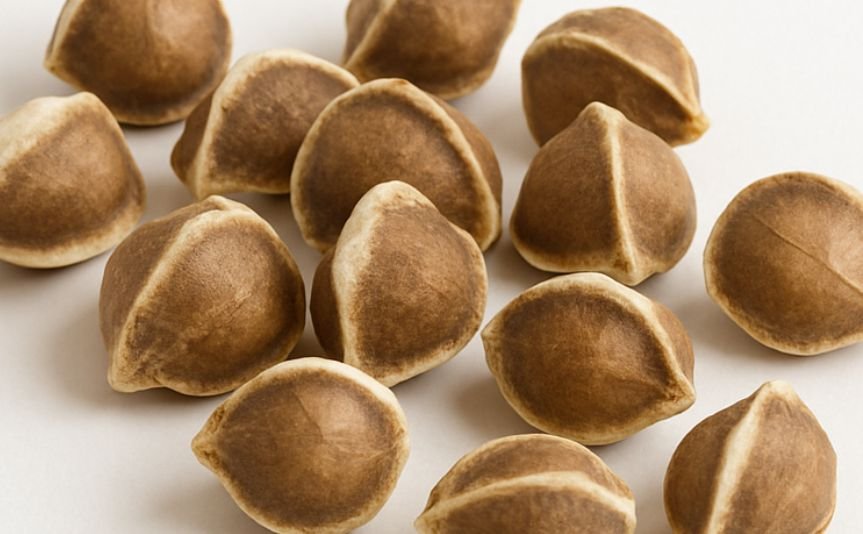
Moringa seeds hold incredible potential, from promoting health to sustainable oil, water purification, culinary uses, and eco-friendly solutions.
Moringa seeds bring a mix of nutrients like vitamins A, C, and E, essential amino acids, and minerals that support your body in many ways.
They can help keep water clean, making them practical for daily life and sustainable living.
The oil extracted from the seeds works well for cooking or skincare, adding natural richness to meals and routines.
As you explore their uses, you’ll notice how they fit into simple, natural ways to support health and wellness.
From boosting nutrition to providing practical solutions at home, the seeds have applications that go beyond what many expect, making them a remarkable part of the moringa plant.
Table of Contents
Nutritional Composition of Moringa Seeds
Moringa seeds are packed with nutrients that support overall wellness.
They contain around 27% protein, providing a strong plant-based source of essential amino acids needed for muscle repair and bodily functions.
The seeds are also rich in healthy fats, including omega-3 and omega-6 fatty acids, which support heart health and help reduce inflammation.
Vitamins such as A and C are present in significant amounts, contributing to eye health and immune support.
Key minerals like calcium, potassium, and iron aid bone strength, muscle function, and red blood cell formation.
Additionally, the seeds contain antioxidants and bioactive compounds that combat oxidative stress and promote healthy digestion and skin.
Compared with leaves, the seeds have higher protein and fat content, making them a valuable dietary addition. For a deeper insight, see moringa seeds nutritional facts.
Health Benefits of Moringa Seeds
Moringa seeds provide numerous health benefits that support overall wellness.
They promote cardiovascular health by helping manage cholesterol and blood pressure, thanks to their fiber and bioactive compounds.
Their anti-inflammatory and antioxidant properties help combat oxidative stress, potentially protecting against chronic diseases and reducing inflammation-related conditions.
The seeds also support digestive health by improving gut regularity and stabilizing gut bacteria, contributing to better nutrient absorption.
Rich in vitamins and minerals, including vitamin C, vitamin A, and iron, moringa seeds strengthen the immune system, helping your body resist infections.
Additionally, their protein and fiber content can aid in weight management by promoting fullness and reducing overeating.
For a detailed look at the science-backed benefits and practical ways to use them, read our full guide on the health benefits of moringa seeds.
Related Posts
Benefits and Risks in Moringa Bark
Culinary Uses of Moringa Seeds
Moringa seeds can be enjoyed in multiple ways, making them a versatile addition to your kitchen.
Raw seeds offer a mild, nutty flavor and crunchy texture, perfect for snacking or adding to salads.
Roasting the seeds brings out an earthy taste, making them ideal for sprinkling on soups, stews, or grinding into powder for smoothies and energy bars.
Boiled seeds become soft and creamy, blending well into curries, stir-fries, or rice dishes for added nutrition and texture.
Their mild flavor pairs well with grains, legumes, and vegetables, allowing you to incorporate them into a variety of meals.
For creative recipes and detailed preparation tips, check out our full guide on Culinary Uses of Moringa Seeds and discover how to make these seeds a staple in your diet.
Moringa Seed Oil Extraction
Moringa seed oil, also known as ben oil, is extracted from moringa seeds using methods like cold-pressing, which preserves its nutrients and antioxidants.
This oil is rich in oleic acid, supporting heart health and healthy cholesterol levels.
It also contains vitamins A, C, and E, which help protect the skin, promote hydration, and support elasticity, making it popular in hair and skincare products.
Compared to other vegetable oils, moringa seed oil has a higher smoke point, making it suitable for cooking at higher temperatures without losing its beneficial properties.
Its light texture allows for quick absorption, ideal for cosmetic use.
For a detailed guide on extraction techniques, benefits, and applications, visit our full article on Moringa Seed Oil Extraction to learn more.
Environmental and Practical Uses of Moringa Seeds
Moringa seeds offer more than nutrition. They provide practical solutions for daily living and environmental sustainability, from water purification to agriculture and renewable energy, helping you make healthier and greener choices.
Water Purification
When crushed, moringa seeds release natural coagulants that help remove impurities from water.
This makes them an effective tool for improving water quality in areas with limited access to clean drinking water.
Using moringa seeds in water treatment can help reduce waterborne diseases and support safer communities.
Organic Fertilizer
After extracting the oil, the leftover seed cake is rich in nitrogen and can be used as natural fertilizer.
Adding it to soil improves fertility, supports healthy crop growth, and reduces dependence on chemical fertilizers, making your gardening or farming more sustainable.
Cosmetic and Industrial Uses
Moringa seed oil, often called ben oil, is prized in cosmetic products for its moisturizing and skin-nourishing properties.
It is also used in soap making and skincare formulations. Incorporating moringa oil into personal care routines provides natural hydration and helps maintain healthy skin.
Biofuel Potential
The high oil content in moringa seeds makes them a potential renewable energy source.
Using these seeds for biofuel production can contribute to reducing reliance on fossil fuels, supporting cleaner energy solutions, and promoting environmental sustainability on a larger scale.
Precautions and Side Effects
Moringa seeds provide numerous health benefits, but careful consumption is necessary to avoid potential side effects.
Excessive intake may cause gastrointestinal issues such as nausea or diarrhea.
Individuals taking medications for blood pressure or blood sugar should consult a healthcare professional, as the seeds can interact with these treatments and alter their effectiveness.
Pregnant women and nursing mothers should avoid moringa seeds unless supervised by a medical provider, due to possible effects on hormonal balance and uterine contractions.
Children should also consume them only under guidance, as their developing bodies may react differently to active compounds.
By following recommended portions and consulting professionals when necessary, you can safely enjoy the advantages of moringa seeds while minimizing health risks.
How to Select and Store Moringa Seeds
Choosing and storing these seeds correctly ensures you get the best nutritional value and long-lasting freshness.
A few simple steps can make a big difference in maintaining quality and effectiveness.
Choosing Fresh Seeds
When selecting seeds, look for firm and plump ones with a consistent brown color.
Avoid any that appear shriveled, damaged, or discolored, as these may have lost potency.
Fresh seeds will feel solid to the touch and show no signs of mold or decay.
Sourcing Reliable Suppliers
Purchase from trusted suppliers who focus on organic or sustainably grown seeds.
Checking reviews or seeking recommendations can help you find a dependable source that provides high-quality seeds with better nutritional content.
Proper Storage Practices
Store the seeds in a cool, dry place, away from sunlight and moisture.
Use an airtight container to prevent exposure to pests and humidity, which can degrade quality.
For longer storage, refrigeration or freezing works well, especially in humid climates, allowing seeds to remain fresh for up to a year.
Consuming for Optimal Freshness
Even with proper storage, aim to use the seeds within six months to enjoy their full nutritional benefits and flavor.
Handling and storing them carefully ensures they retain their value for your meals, snacks, or health routines.
Conclusion
Moringa seeds offer more than nutrition; they support wellness, practical applications, and environmental solutions.
They help improve heart and digestive health, boost immunity, and contribute protein and healthy fats to your diet.
The seeds can purify water, nourish soil as fertilizer, and produce oil for cooking or skincare, giving you natural ways to care for your body and environment.
Including them in your routine provides simple, sustainable ways to support health while adding variety to meals and personal care practices.
By handling, storing, and consuming the seeds thoughtfully, you can enjoy their benefits safely and effectively.
Their adaptability makes them a valuable part of a balanced, health-focused lifestyle.
Frequently Asked Questions
What is the best way to consume moringa seeds for health benefits?
You can eat them raw, roasted, or boiled. Raw seeds offer crunch, roasted seeds enhance flavor, and boiled seeds soften for cooking in meals.
Can moringa seeds improve digestion naturally?
Yes, their fiber content helps regulate bowel movements and supports a healthy gut microbiome, contributing to better nutrient absorption and digestive comfort.
Are there precautions when using moringa seeds?
Avoid excessive intake to prevent nausea or diarrhea. Pregnant women, nursing mothers, and children should consult a healthcare provider before consuming them.
How should I store moringa seeds for maximum freshness?
Keep them in a cool, dry place in an airtight container. Refrigeration or freezing extends shelf life and maintains nutritional value for up to a year.
References

Chims Clements writes about herbs from personal experience and careful research. Growing up in Aba, Nigeria, moringa and tamarind were everyday household plants long before they became globally recognised superfoods. He uses both regularly in his home today. At Six Herbs he goes deep on moringa, tamarind, fenugreek, and sea moss — building honest, experience-backed content that separates what tradition knows from what science confirms. The content on this site is for informational purposes only and is not medical advice. Always consult a healthcare provider before using herbs medicinally.