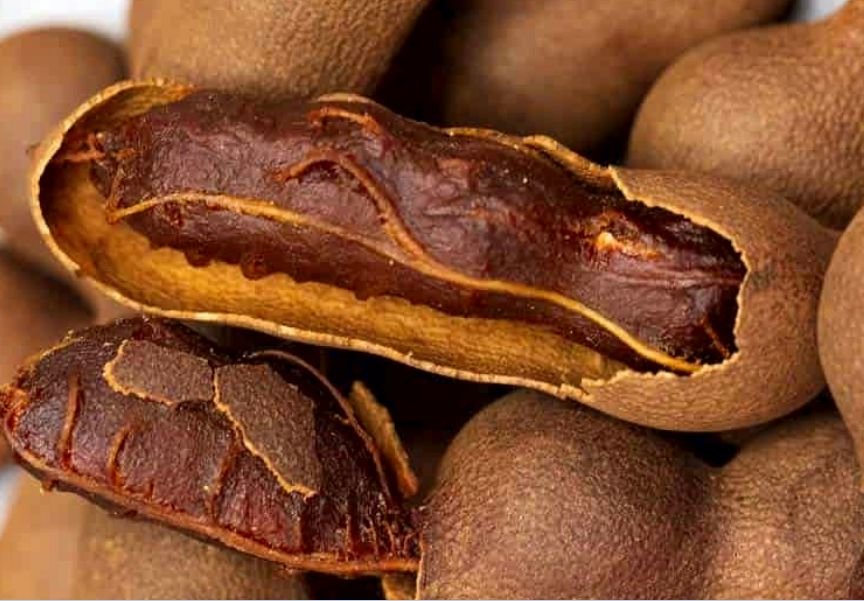
Tamarind pods add bold, sweet-sour flavor to sauces, drinks, snacks, and stews, turning simple recipes into vibrant kitchen staples.
Tamarind pods bring you closer to the fruit in its most natural form, giving you control over flavor and texture in your kitchen.
Inside the shell, you get natural tamarind pulp wrapped around seeds and fibers, ready to soak, mash, and strain as needed.
Choosing fresh tamarind pods instead of paste lets you adjust thickness, sweetness, and tang to suit your recipe.
Raw tamarind fruit also keeps its depth of flavor, which works well in sauces, drinks, chutneys, and stews.
In this guide, you will get clear preparation tips, simple storage methods, smart buying advice, and a closer look at nutrition so you can use whole tamarind with confidence.
Table of Contents
Structure of a Tamarind Pod Inside the Shell
Crack open tamarind pods, and you find layers that shape flavor, texture, and quality.
Each part inside the shell affects how your dish turns out and how you prepare it.
The Outer Shell
The tamarind shell forms a brittle brown casing that protects the sour fruit pulp inside. Fresh pods feel firm and dry, not damp or moldy.
When you press lightly, the shell should break easily without crumbling into dust.
Excess dryness can signal old stock, while slight flexibility may mean the pulp is still moist and flavorful.
Checking the shell helps you choose fresh tamarind pods with better taste and aroma.
The Sticky Pulp
Inside the shell sits the sticky pulp, dark brown and packed with bold, sweet-sour flavor.
Tamarind pulp texture ranges from soft and paste-like to slightly firm, depending on ripeness and storage.
Sweeter pulp works well in drinks and chutneys, while more sour fruit pulp gives depth to stews and sauces.
Breaking off a small piece and tasting it helps you judge strength before soaking or blending. More on tamarind paste and pulp.
The Seeds and Fibers
Between the pulp, you will find glossy tamarind seeds and thin, stringy fibers.
The seeds are hard and smooth, usually deep brown, and not eaten raw due to their tough texture.
Some cuisines roast or process tamarind seeds into flour, but the whole seeds are removed during cooking.
Fibers and veins hold the pulp together, so strain the pulp well for a smooth sauce or drink.
Related Posts
Tamarind Leaves: Everything to Know
The Tamarind Tree: Structure, Parts and Growth
What is the Taste of Tamarind?
Nutritional Value of Tamarind Pods
Tamarind pods bring useful nutrients that support daily eating. Here are the nutrients you get from these pods:
Macronutrients
Natural sugars give tamarind its sharp, sweet taste, making it useful for sauces, drinks, and marinades.
These sugars release energy quickly without added sweeteners.
Dietary fiber sits at the core of the pulp, supporting digestion and fullness.
Fiber also slows sugar absorption, which helps keep meals steady. This balance makes tamarind pods easy to fit into everyday cooking.
Key Minerals
Tamarind minerals support basic body functions through regular meals.
Potassium helps with fluid balance and muscle use, while magnesium supports nerve signals and energy release.
Iron plays a role in oxygen transport and works best when paired with vitamin-rich foods.
Using whole pods lets you keep these minerals closer to their natural state.
Organic Acids and Plant Compounds
Tartaric acid gives tamarind its sharp edge and helps preserve flavor in cooking.
This acid also supports mineral absorption. Antioxidants found in the pulp help protect cells from daily stress linked to diet and environment.
Together, these plant compounds add value beyond taste, especially when using fresh, minimally processed tamarind pulp. More on all the nutrients you can get from tamarind.
Forms of Tamarind Pod: Fresh and Dry
Tamarind pods come in two main forms, fresh and dry, and each affects taste, texture, storage, and cooking results.
Fresh Tamarind Pods
Fresh tamarind pods have a light to medium brown shell that feels slightly soft, not brittle.
Once cracked open, sticky tamarind pulp clings to the seeds and fibrous strands.
The pulp stays moist, making it easier to soak and press into tamarind paste or juice.
Flavor leans bright, tangy, and slightly sweet, which works well in chutney, sauces, marinades, and a refreshing tamarind drink.
Because moisture content remains higher, spoilage can happen faster if storage conditions are poor.
Keep pods in a cool, dry place and check for mold or an overly fermented smell. If the pulp feels pliable and aromatic, the quality remains good for cooking.
Dry Tamarind Pods
Dry tamarind pods have a darker, brittle shell that cracks cleanly when pressed. Inside, the pulp feels firm and slightly hardened around the seeds.
Lower moisture means a stronger concentration of sour flavor, which becomes ideal for soups, stews, curries, and savory sauces that simmer for longer periods.
Soaking the pulp in warm water softens it, allowing you to mash and strain it into smooth tamarind pulp or paste.
Storage becomes easier because reduced moisture slows spoilage and mold growth.
Keep pods sealed in an airtight container to protect from insects and humidity.
When pulp smells clean and tastes balanced sweet-sour, quality remains intact.
Health Benefits of Tamarind Pods
Tamarind pod pulp gives your body fiber, minerals, and plant compounds that support digestion, heart health, and balanced blood sugar while adding bold, sweet-sour flavor to daily meals.
Digestive Support
Fiber in tamarind pod pulp helps move food through your digestive tract and supports regular bowel movement.
As a natural digestive fruit, it can act as a mild laxative when soaked and taken in small amounts.
Tamarind for digestion works best when you strain the pulp well and drink it with water.
Heart Support
Minerals found in the pulp, including potassium and magnesium, support normal heart rhythm and fluid balance.
Tamarind pod benefits extend to circulation, since these tamarind minerals help relax blood vessels.
Adding small portions of pulp to sauces or drinks can support heart-friendly eating without extra salt.
Blood Sugar Regulation
Fiber in tamarind slows how fast sugar enters your bloodstream after meals.
That steady release helps you manage cravings and avoid sharp spikes.
When using whole pod pulp instead of sweetened concentrates, you control added sugars and keep the natural fiber that supports balanced blood glucose levels.
Antioxidant Protection
Plant compounds and natural acids in the pulp provide antioxidant activity that helps protect cells from daily stress.
Tartaric acid and other phytonutrients support your body’s defense system.
Fresh pulp, soaked gently and used in cooking or drinks, keeps more of these protective compounds intact.
Culinary Uses of Tamarind Pods
Tamarind pods bring bold, sweet-sour flavor to meals and drinks, letting you create sauces, soups, beverages, and treats with natural tamarind pulp.
Practical tips help you get the most from each pod.
Cooking with Whole Tamarind Pods
Whole tamarind pods transform soups, stews, sauces, and marinades, adding depth and tang.
Soak or mash the pulp to release flavor before blending into spice bases or slow-cooked dishes.
Learning how to use tamarind pods in traditional recipes lets you control sourness and sweetness, giving each meal a fresh, balanced taste that store-bought pastes cannot match.
Tamarind Drinks
Tamarind juice and tamarind concentrate make refreshing beverages or cocktail mixers.
Strained pulp mixes easily with water, sugar, or spices to create drinks that highlight natural acidity and subtle sweetness.
Following a simple tamarind drink recipe helps you enjoy a bold, tangy flavor while keeping preparation quick and flexible.
Sweet Applications
Candies and snacks made from tamarind pods capture the natural tart-sweet taste of the pulp.
Rolling pulp with sugar or chili creates chewy treats, while traditional tamarind snacks offer both flavor and fiber.
Using whole pods in sweets ensures a consistent texture and vibrant taste compared with pre-made pastes or concentrates.
Tamarind Pod Recipes
Tamarind pods add a tangy-sweet flavor to meals. They can be used in drinks, sauces, snacks, and desserts to give your dishes a rich, natural taste while keeping them healthy and flavorful.
Making Tamarind Juice from Pods
Start by soaking tamarind pods in warm water until the pulp softens, then remove seeds and fibers.
Mash the pulp, mix it with water, and sweeten lightly to taste.
Serve chilled for a refreshing drink or use as a base for smoothies and cocktails.
You can adjust the thickness and sweetness to your liking, making it suitable for hot days, family gatherings, or as a natural digestive beverage after meals.
Tamarind Chutney for Snacks and Meals
Extract the pulp from tamarind pods, then cook it gently with sugar, salt, and your choice of spices.
Simmer until it thickens into a rich, smooth chutney. This pairs perfectly with samosas, pakoras, sandwiches, or grilled meats.
You can store small portions in the fridge for quick use.
The chutney adds tang and depth to everyday snacks or meals and brings a bright, fresh flavor that balances rich or fried foods naturally.
Cooking Tamarind-Based Sauces
Use tamarind pods to make flavorful sauces for curries, stews, or stir-fried dishes.
Extract the pulp and mix it with garlic, chili, spices, and a little water, then simmer gently until smooth.
These sauces create a natural, tangy base that complements chicken, fish, or vegetables.
You can adjust the sourness by adding more or less pulp.
They add color, aroma, and flavor without overpowering your main ingredients, making them a versatile option for everyday cooking.
Tamarind Candies and Sweet Treats
Mix tamarind pulp with sugar, salt, or chili to create small candies that balance sweet, sour, and spicy notes.
Shape the mixture into bite-sized pieces and store in an airtight container.
These treats make a perfect snack for adults and kids alike.
You can experiment with flavors by adding honey, ginger, or cocoa powder.
Tamarind candies offer a natural, flavorful alternative to processed sweets and let you enjoy the tangy taste of tamarind in a portable, fun way anytime.
Tamarind Marinades for Meat and Fish
Combine tamarind pulp from pods with garlic, ginger, soy sauce, and spices to make a marinade for meat or fish.
Coat the protein evenly and let it soak for a few hours or overnight for the best results.
The acids in tamarind tenderize meat while adding a tangy flavor that works with grilling, baking, or pan-frying.
You can also mix in herbs, honey, or chili to adjust the taste.
These marinades transform simple dishes into meals with balanced flavor and texture.
How to Prepare Tamarind Pods for Cooking
Preparing tamarind pods properly unlocks the natural pulp, letting you control flavor and texture for sauces, drinks, and desserts. Simple steps make extraction easy and mess-free.
How to Open Tamarind Pods
Breaking the shell starts the process. Lightly press along the brittle tamarind shell until it cracks, then peel away pieces to reveal the sticky pulp inside.
Removing the outer casing carefully prevents pulp from sticking to your hands and keeps seeds and fibers contained for easier cooking.
Learning how to open tamarind pods makes later steps faster and cleaner.
Extracting the Pulp
Soaking tamarind pulp in warm water softens the sticky mass, making it easier to mash.
Straining the soaked pulp through a sieve separates fibers and seeds, leaving smooth tamarind pulp ready for sauces, soups, or drinks.
Tamarind pulp extraction ensures consistent texture and concentrated flavor for all your recipes.
Making Fresh Tamarind Extract
Mix the strained pulp with water using the proper pulp-to-water ratio for your dish. Adjust thickness depending on sauces, marinades, or beverages.
Fresh tamarind extract retains full flavor and acidity, giving you control over taste and intensity in any recipe while keeping natural tartness and sweetness balanced.
How to Choose the Best Tamarind Pods
Selecting quality tamarind pods ensures better flavor, texture, and nutrition for cooking, drinks, and snacks.
Knowing what to look for makes buying tamarind pods easier and more reliable.
Dry vs Sticky Exterior
Look for a firm, brittle tamarind shell that snaps easily. Avoid overly sticky or damp exteriors, which can indicate moisture damage or poor storage.
A balanced dryness helps preserve the natural pulp flavor and keeps seeds intact, making pods easier to handle in the kitchen.
Signs of Mold
Inspect pods carefully for discoloration or fuzzy patches. Mold can develop on improperly stored tamarind, affecting taste and safety.
Choosing pods free of white spots or unusual odors ensures a fresh tamarind selection that’s safe and flavorful for sauces, drinks, or snacks.
Soft vs Hardened Pulp
Pulp texture matters. Soft pulp feels pliable and moist, ideal for mashing or soaking, while overly hardened pulp may indicate aged pods with diminished flavor.
Picking pods with slightly firm, sticky pulp preserves taste and sweetness for cooking or beverages.
Fresh vs Aged Pods
Fresh pods have brighter, more aromatic pulp, while aged pods can become dry and lose tang.
Fresh tamarind selection ensures richer taste, stronger aroma, and easier extraction, giving sauces, drinks, and sweets full-bodied flavor that aged pods cannot match.
How to Store Tamarind Pods
Proper storage keeps tamarind pods fresh, flavorful, and ready for cooking, drinks, or snacks.
Following simple steps helps preserve pulp quality and prevents spoilage.
Short-Term Storage
Room temperature works for a few weeks if pods stay in a cool, dry place. Keep them in an airtight container or wrapped to prevent dust and moisture.
Proper short-term storage maintains the tamarind shell’s brittle texture and keeps the pulp ready for extraction.
Long-Term Storage
Refrigeration extends freshness, especially for opened pods or extracted pulp.
Wrap pods in plastic or store pulp in a sealed container to prevent drying.
Freezing pulp in small portions preserves flavor and tang, making it easy to use fresh tamarind extract anytime.
Shelf Life Guide
Whole tamarind pods last several weeks at room temperature, longer in the fridge, and months when frozen.
Freshly extracted pulp stays best in airtight containers, with freezing adding extra months.
Knowing how long tamarind lasts helps you plan meals and snacks without waste.
Common Problems with Tamarind Pods
Even high-quality tamarind pods can face issues that affect flavor, texture, and safety.
Spotting problems early helps you avoid bad tamarind pods and maintain consistent results in cooking and drinks.
Mold Formation
Moldy tamarind shows as fuzzy white or gray patches on the shell or pulp.
This indicates moisture exposure or poor storage.
Mold not only alters taste but can also make the pods unsafe.
Checking for discoloration or unusual odors prevents using tamarind that has gone bad.
Overly Dry Pulp
Pulp that feels hard or crumbly may come from old or poorly stored pods.
Overly dry pulp is difficult to soak or mash and loses natural sweetness and tang.
Choosing firmer, slightly sticky pods ensures better extraction and flavor.
Excessive Sourness
Some pods become sharper than expected, usually from over-ripening or natural variation.
Tasting a small piece before cooking lets you balance dishes with sugar or water.
Adjusting sourness early keeps sauces, drinks, and snacks well-rounded.
Pest Contamination
Insects or small holes in the shell signal pest damage. Contaminated pods may have compromised pulp or seeds, affecting taste and hygiene.
Inspecting pods before purchase helps avoid unwanted surprises and ensures clean, fresh tamarind for your recipes.
Conclusion
Tamarind pods bring flavor and nutrition, straight from the shell to your kitchen.
The natural pulp delivers a balanced sweet-sour taste, fiber, minerals, and antioxidants that support digestion, heart health, and stable blood sugar.
Learning how to open pods, extract pulp, and prepare fresh tamarind extract gives you control over texture and intensity in sauces, drinks, chutneys, and sweets.
Selecting quality pods, storing them correctly, and spotting spoilage ensures consistent flavor and safety.
From tangy beverages to rich sauces and chewy treats, tamarind pods make everyday cooking more flavorful, practical, and naturally nutritious, letting you enjoy the full benefits of this tropical fruit.
Frequently Asked Questions
Can you eat tamarind pods raw?
Raw tamarind pods can be eaten after peeling the shell. The pulp is tangy and sweet-sour, but the seeds inside are not edible raw.
Are tamarind seeds safe?
Tamarind seeds are hard and not meant for raw consumption. They require roasting, boiling, or processing before use to make them safe and digestible.
Why are some tamarind pods sweeter?
Sweetness depends on ripeness and variety. Fully ripened pods produce softer, sweeter pulp, while less mature pods have a stronger sour fruit pulp.
How do you reduce tamarind sourness?
Soaking pulp in water or combining it with sugar, honey, or other sweeteners balances sourness in sauces, drinks, or desserts.
Can tamarind pods help with digestion?
High-fiber tamarind pulp acts as a natural digestive fruit. It supports bowel movement, relieves mild constipation, and promotes healthy digestion when used regularly.
References
