
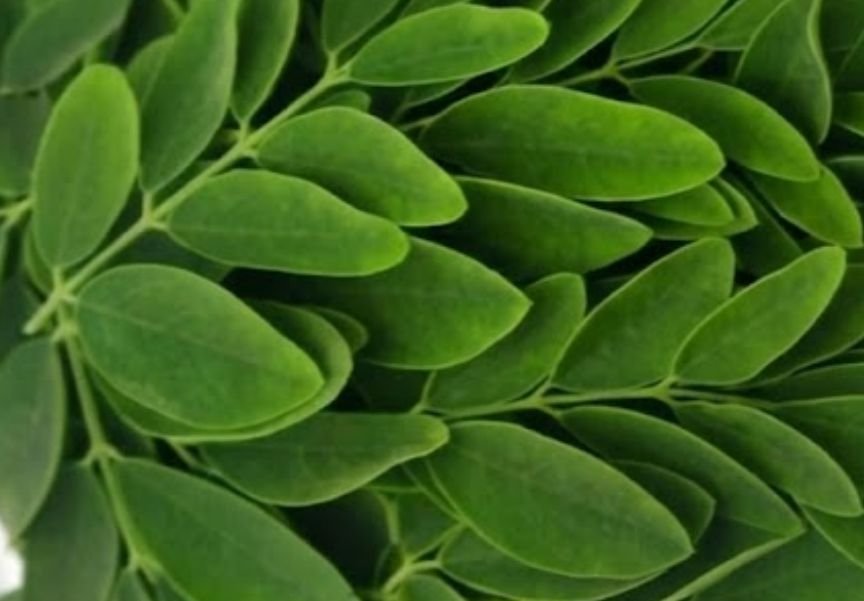
Fresh moringa leaves support daily wellness, hormone balance, steady energy, better digestion, stronger immunity, and natural nourishment.
Fresh moringa leaves are gaining attention as more people look for natural foods that fit into daily meals with ease.
Across homes and local markets, fresh leaves are chosen for their taste, aroma, and direct-from-plant feel.
Many prefer them because your meals stay closer to how the plant is grown, with no extra processing steps involved.
Cooking with fresh leaves also gives better control over texture and flavor, especially in soups, stews, and sauces.
Nutrients remain closer to their natural state, which matters when your goal is steady wellness.
Fresh moringa leaves fit well into everyday cooking, making healthy eating feel familiar, simple, and practical for your routine.
Table of Contents
What Nutrition Do Fresh Moringa Leaves Contain?
Fresh moringa leaves provide a balanced mix of vitamins, minerals, and plant compounds that support daily nutrition, making them valuable for your simple meals and long-term wellness and food choices.
Key Vitamins and Minerals in Fresh Moringa Leaves
Fresh moringa leaves supply vitamins A, C, E, calcium, iron, and potassium, supporting your immunity, vision, bone strength, muscle function, and daily nutrient balance in meals.
Nutrient Retention in Fresh Versus Dried Leaves
Fresh leaves retain more water-based nutrients like vitamin C, while drying reduces levels, making fresh moringa better for your soups, sauces, and cooked dishes at home.
Antioxidants and Plant Compounds
Antioxidants in fresh moringa leaves, including flavonoids and polyphenols, support your heart health, blood sugar balance, inflammation control, and cellular protection through natural foods in meals.
Are There Health Benefits in Fresh Moringa Leaves?
Fresh moringa leaves provide natural nutrients that support your body, helping immunity, digestion, blood sugar balance, and heart health when added regularly to meals and daily routines. See nutritional benefits of all moringa leaves.
Supports Immune Health
Vitamin C and antioxidants support immune response, protect cells, and help your body handle daily stress and seasonal changes.
Regular inclusion strengthens natural defenses and supports overall wellness.
Aids Digestion and Gut Health
Dietary fiber and natural enzymes help digestion, improve bowel regularity, and reduce bloating.
Adding fresh greens to meals supports gut balance and helps your body absorb nutrients efficiently.
Helps Manage Blood Sugar Levels
Plant compounds in fresh leaves support steady blood sugar, improve glucose response, and aid energy balance.
Regular use may benefit adults aiming for healthier metabolic and meal routines.
Promotes Heart Health
Nutrients help manage cholesterol, support smooth circulation, and reduce inflammation.
Including these greens in meals supports cardiovascular health and keeps the heart functioning efficiently during daily activity.
Related Posts
Moringa Leaves and Menopause: Everything to Know
How to Use Moringa Leaves for Food
Health Benefits of Moringa Leaves
Health Benefits of Fresh Moringa Leaves
Fresh moringa leaves support daily wellness through natural nutrients that work with your body, helping immunity, digestion, blood sugar balance, and heart health when added regularly to meals.
Supports Immune Health
Vitamin C and plant antioxidants help your immune system respond to daily stress, support cell protection, and maintain resistance during seasonal changes and physically demanding routines.
Aids Digestion and Gut Health
Dietary fiber and natural enzymes support smooth digestion, improve bowel regularity, reduce bloating, and help your gut absorb nutrients more efficiently from everyday meals.
Helps Manage Blood Sugar Levels
Plant compounds linked to glucose balance support steady energy levels, improve insulin response, and help adults focus on maintaining healthy blood sugar through balanced food choices.
Promotes Heart Health
Anti-inflammatory compounds support healthy cholesterol levels, smooth circulation, and blood vessel function, helping protect cardiovascular health during daily activity and long-term wellness routines.
Uses of Fresh Moringa Leaves in the Kitchen
Fresh moringa leaves bring flavor and nutrients to everyday meals. Including them in soups, sauces, and drinks helps your body absorb vitamins while enjoying delicious, simple dishes.
Traditional Dishes and Soups
Adding fresh greens to stews or local recipes enriches flavor and texture, supporting nutrient intake.
Light cooking keeps leaves tender while adding natural vitamins to familiar meals.
Smoothies and Sauces
Blending fresh leaves into smoothies or stirring them into sauces boosts vitamins, minerals, and antioxidants.
This method lets you enjoy nutrients easily while improving the taste and color of meals.
Cooking Methods That Preserve Nutrients
Quick steaming, gentle sautéing, or minimal heating helps retain vitamins and antioxidants.
Using these methods keeps leaves vibrant, supports digestion, and ensures your meals deliver natural nourishment efficiently.
How to Harvest Fresh Moringa Leaves
Harvesting fresh moringa leaves correctly ensures maximum nutrients, flavor, and safety.
Timing, cutting methods, and careful handling help your leaves stay fresh and ready for daily meals.
Best Time to Harvest
Picking leaves early in the morning or late afternoon preserves freshness and vitamins.
Choosing young, tender leaves ensures better taste and nutrient content for your soups, sauces, or smoothies.
Proper Cutting Techniques
Using clean scissors or knives lets you trim stems without damaging the plant.
Cutting carefully supports regrowth, maintains leaf quality, and makes harvesting easier for daily or weekly use.
Hygiene and Handling Tips
Rinse leaves gently, avoid bruising, and store them in cool conditions.
Proper handling prevents spoilage, keeps nutrients intact, and makes your greens safe for cooking and consumption.
How to Store Fresh Moringa Leaves
Proper storage keeps fresh moringa leaves nutritious, flavorful, and safe for cooking.
Using the right methods prevents spoilage and helps your greens stay ready for daily meals.
Short-Term Storage Methods
Keep leaves in perforated bags or breathable containers at room temperature for a day or two.
This preserves freshness, texture, and natural nutrients for immediate use in meals.
Refrigeration and Freezing Tips
Storing leaves in the fridge extends shelf life up to a week, while freezing allows longer preservation. Wrap gently in paper or airtight containers to maintain vitamins.
Common Storage Mistakes to Avoid
Avoid washing leaves too early, exposing them to heat, or tightly packing them.
These errors cause wilting, nutrient loss, and faster spoilage, reducing their value for your meals.
Fresh Moringa Leaves Recipe
Fresh moringa leaves can be used in simple, nutritious recipes that support your health.
Adding them to meals improves flavor, boosts vitamins, and makes everyday dishes more nourishing and vibrant.
Moringa Leaf Soup
Lightly sauté onions and garlic, add chopped fresh moringa leaves and broth, and simmer briefly.
This soup keeps nutrients intact, supports digestion, and makes a warm, easy meal for your body.
Moringa Smoothie
Blend fresh moringa leaves with fruits like banana or mango, a splash of water or milk, and a touch of honey.
Smoothies provide natural energy, vitamins, and antioxidants for your daily routine.
Stir-Fried Moringa Leaves
Quick stir-frying with garlic, tomatoes, and a little oil preserves flavor and nutrients.
This method keeps leaves tender, adds color to your plate, and pairs well with rice or protein for balanced meals.
Moringa Leaf Sauce
Add chopped fresh leaves to tomato or coconut-based sauces. Simmer briefly, then serve over pasta, grains, or grilled proteins.
This approach enriches meals with vitamins while keeping flavors fresh and natural.
How Much Fresh Moringa Leaves Per Day
Consuming 1 to 2 cups of fresh moringa leaves daily is enough to gain nutrients without overloading your body.
Adding them to soups, smoothies, or sauces spreads intake throughout the day.
Start with smaller amounts if new to the leaves, then gradually increase.
Regular use supports immunity, digestion, and overall wellness while keeping meals balanced, flavorful, and easy to include in your daily routine.
Conclusion
Fresh moringa leaves bring natural nutrition directly to your meals, supporting immunity, digestion, steady energy, blood sugar balance, and heart health.
Using them in soups, smoothies, sauces, or light sautés preserves nutrients while enhancing flavor and texture.
Regular inclusion helps maintain daily wellness and keeps meals simple, practical, and satisfying.
Harvesting and storing properly ensures that freshness, vitamins, and antioxidants remain intact.
By integrating these leaves thoughtfully, you create a routine that supports long-term health, enjoyment, and natural nourishment without complicated preparation or reliance on processed foods.
Frequently Asked Questions
How many fresh moringa leaves should I eat daily?
One to two cups per day provides nutrients while keeping meals balanced. Start small, then gradually increase for steady wellness support.
Can I use moringa leaves in smoothies or soups?
Yes, fresh leaves blend well into smoothies or cook lightly in soups, retaining vitamins, antioxidants, and fiber while enhancing flavor naturally.
Are there any side effects from eating fresh moringa leaves?
Side effects are rare. Overconsumption may cause mild stomach upset. Gradual introduction and moderation help your body adjust safely.
How should I store fresh moringa leaves for daily use?
Store in perforated bags at room temperature, refrigerate for up to a week, or freeze for longer preservation while keeping nutrients intact.