
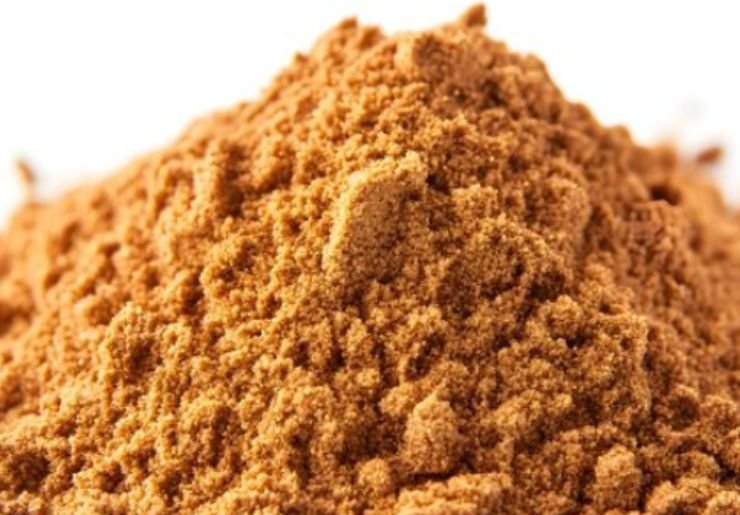
Tamarind powder hides in unexpected meals, remedies, transforms ordinary routines, and carries secrets you never knew you needed.
You might reach for this ingredient when adding a tangy touch to sauces, marinades, or desserts, letting its flavor balance sweetness and spice.
In your kitchen, it saves time compared to handling fresh tamarind fruit, while keeping that familiar sharpness in recipes.
Health routines can benefit too, with their hints of antioxidants supporting digestion and overall well-being.
Skincare enthusiasts use it in scrubs and masks, appreciating its gentle, natural touch.
Learning how to make it at home opens possibilities for freshness and control over quality.
From cooking to home remedies, it quietly transforms your everyday routine. New to tamarind? Start from the beginning.
Table of Contents
What is Tamarind Powder?
Tamarind powder is the dried, ground pulp of the tamarind fruit or from the leaves, offering different flavors and uses.
Fruit-based powder delivers a tangy, slightly sweet taste, perfect for sauces, marinades, soups, beverages, and spice blends.
Leaf-based powder has a milder, herbal tang, adding subtle flavor to soups, teas, sauces, and traditional remedies.
Both forms carry natural antioxidants, vitamins, and minerals, supporting digestion, gentle anti-inflammatory effects, and overall wellness.
Its versatility makes it useful in home remedies, skincare, and everyday cooking, letting you bring a natural, flavorful boost to your meals and routines.
Forms of Tamarind Powder
Tamarind powder comes in several forms, each suited for different uses in cooking, beverages, and home remedies.
Knowing the types helps you pick the right one for your recipes or daily routines.
Pure Tamarind Powder
Made from dried, ground tamarind pulp from the fruit without additives, pure tamarind powder gives a concentrated, tangy flavor to sauces, soups, and marinades.
It dissolves easily in liquids, making it ideal for drinks, chutneys, or spice blends while keeping dishes consistent in taste.
Organic Tamarind Powder
Sourced from organically grown tamarind, this powder avoids chemical fertilizers and preservatives.
Its natural nutrients and antioxidants remain intact, supporting digestion, boosting wellness, and adding a clean, tangy flavor to beverages, sauces, and home remedies.
Blended Tamarind Powder
Blended versions mix tamarind with sugar, salt, or spices for convenience.
These powders save time in recipes like chutneys, dressings, or marinades, letting you control tang and sweetness without extra measuring or mixing.
Roasted Tamarind Powder
Roasted tamarind powder has a deeper, slightly smoky flavor.
Roasting enhances the tartness and adds complexity to stews, curries, and grilled dishes. It works well in dry rubs and spice mixes for an earthy, rich note.
Tamarind Leaves Powder
Made from dried, ground tamarind leaves, this powder has a milder, herbal tang compared to the pulp.
It can be added to soups, sauces, teas, or traditional remedies, offering antioxidants, vitamins, and minerals, while supporting digestion and gentle anti-inflammatory benefits.
Related Posts
Tamarind Tea Types and How to Make Them
How to Use Tamarind for Weight Loss
How to Prepare Tamarind Juice and Drink
The Benefits of Tamarind Paste and Pulp
Benefits of Tamarind Powder
Tamarind powder adds more than flavor to your kitchen.
Both fruit and leaf powders offer health, skin, and culinary advantages, letting you include natural nutrition and tangy taste in everyday routines.
Health Benefits
Supports digestion, metabolism, and gut comfort, making meals easier to process.
Rich in antioxidants, vitamins, and minerals, it helps maintain wellness while aiding mild inflammation, digestive issues, and immunity.
Using fruit or leaf powder in teas, smoothies, or spice blends gives your body a gentle nutrient boost.
Skin Benefits
Acts as a natural exfoliant and brightening agent for your skin.
Leaf or fruit powder can be applied in masks or scrubs to remove dead skin cells, improve texture, and help maintain an even, fresh complexion without harsh chemicals.
Gentle acids and nutrients leave skin soft and glowing.
Culinary Benefits
Adds tangy, slightly sweet, or herbal flavor to sauces, soups, stews, chutneys, and marinades without extra moisture.
Fruit powder gives a sharp tang, while leaf powder provides mild herbal notes.
Both dissolve easily in liquids or mix with spices, helping you balance flavors naturally in your cooking.
Home Remedies
Supports wellness routines with natural antioxidants and vitamins.
Fruit and leaf powders can be used in teas or simple pastes to aid digestion, reduce inflammation, or soothe mild respiratory discomfort.
Including them in daily drinks or dishes makes it easy to get these gentle benefits.
How to Use Tamarind Powder
Tamarind powder can be added to meals, drinks, and skincare routines, giving you a natural boost of flavor, nutrients, and gentle skin benefits.
Both fruit and leaf powders offer practical ways to include tamarind in daily life.
In Cooking
Works as a natural souring agent for soups, sauces, curries, stews, and marinades, balancing flavors without extra moisture.
Fruit powder adds tangy sweetness, while leaf powder gives a mild herbal note.
Sprinkling it into spice mixes or dissolving it in liquids helps your dishes achieve depth and richness naturally.
Beverages and Drinks
Blends easily into teas, smoothies, or detox drinks, providing gentle acidity and herbal hints.
Fruit powder brightens flavor with a tangy kick, and leaf powder adds subtle green notes.
Using it in warm or cold drinks supports digestion and adds antioxidants to your daily routine.
In Skincare
Can be mixed into masks, scrubs, or pastes for gentle exfoliation and natural brightening.
Fruit powder adds mild acids that help remove dead skin cells, while leaf powder provides soothing nutrients.
Applying it regularly helps improve texture, refresh your skin, and maintain a healthy glow without harsh chemicals.
Tamarind Powder Recipes
Tamarind powder can transform everyday dishes with tangy, herbal, or slightly sweet notes.
Both fruit and leaf powders bring flavor and nutrition to your cooking, letting you add zest naturally and easily.
Tamarind Chutney
Works well in sweet, tangy, or spicy chutneys for snacks, sandwiches, or dipping sauces.
Fruit powder delivers the classic tang, while leaf powder can add a subtle herbal touch.
Dissolving it in water or blending with spices helps you control thickness and adjust sourness to match your taste.
Tamarind Soup
Adds depth and mild acidity to broths or stews. Fruit powder brightens the soup with tangy sweetness, while leaf powder gives a soft herbal note.
Stirring it in during cooking allows flavors to meld, and adjusting the amount lets you balance sourness with other seasonings naturally.
Tamarind-Flavored Marinades or Sauces
Blends easily into meat, fish, or vegetable marinades for tangy, rich flavor.
Fruit powder sharpens the taste, while leaf powder gives a gentle herbal layer.
Mixing it with oil, garlic, or spices helps coat ingredients evenly, letting your marinades or sauces achieve balanced flavor without extra liquid.
Tips for Adjusting Quantity
Start with small amounts and taste as you go, since tamarind powder can be concentrated. Fruit powder adds a stronger tang; leaf powder is milder. Adjust gradually to achieve your preferred sourness or herbal note in dishes, drinks, or sauces without overpowering other flavors.
How to Make Tamarind Powder
Making tamarind powder at home gives control over flavor, quality, and freshness.
Both fruit and leaf powders can be prepared using simple steps, letting you add natural tang and herbal notes to your cooking, drinks, or skincare routines.
Selecting Tamarind Pods or Leaves
Choose ripe tamarind pods with soft, brown shells for fruit powder, or healthy young or mature leaves for leaf powder.
Freshness matters, so avoid moldy or discolored parts.
Rinsing leaves and removing stems ensures a clean, pure base for drying and grinding.
Picking high-quality ingredients sets the foundation for strong flavor.
Drying Methods
Fruit pulp can be separated from shells and seeds, then sun-dried or oven-dried at low temperature until completely crisp.
Leaves should be spread out evenly, drying naturally in sunlight or using a dehydrator for gentle, uniform results.
Proper drying prevents moisture, reduces spoilage, and keeps antioxidants intact for both culinary and health uses.
Grinding and Powdering
Once fully dried, grind the tamarind pulp or leaves into a fine powder using a mortar, spice grinder, or food processor.
Sifting the powder removes fibrous parts and ensures a smooth texture.
Adjust coarseness depending on intended use in sauces, teas, or scrubs.
Both powders retain their tangy or herbal aroma after grinding.
Storing for Long Shelf Life
Store the powder in airtight containers in a cool, dry place away from direct sunlight.
Properly stored, fruit and leaf powders can last for several months while keeping flavor, nutrients, and aroma intact.
Labeling containers with dates helps rotate stock, keeping your powder fresh for cooking, drinks, or skincare routines.
Tamarind Powder Substitutes
When tamarind powder is unavailable, several alternatives can provide a similar tangy or slightly sweet flavor.
Using the right substitute helps keep dishes balanced while maintaining the flavor profile of traditional recipes.
Tamarind Paste
Tamarind paste can replace powder in sauces, soups, or marinades, offering a concentrated sour-sweet taste.
It’s more moist than powder, so reducing other liquids in your recipe may be necessary.
Adjust gradually to match the tartness of tamarind powder and maintain consistency in texture and flavor.
Lemon or Lime Juice
Citrus juice provides acidity and brightness similar to tamarind, making it useful in curries, soups, or dressings.
Its sharp tang differs from tamarind’s sweetness, so small amounts of sugar or jaggery can help balance flavor.
Gradually add and taste to reach the desired sourness without overpowering the dish.
Amchur Powder
Dried mango powder, known as amchur, offers a tangy, fruity note that can mimic tamarind in chutneys, marinades, or stews.
Its flavor is milder, so increase the quantity slightly to match the tartness of tamarind powder.
Combining with a touch of fruit syrup or sugar can improve depth.
Safety and Precautions
Tamarind powder adds flavor, nutrition, and natural benefits to cooking, beverages, and skincare.
Using the right amount and being aware of potential reactions helps you enjoy it safely and confidently.
Recommended Daily Intake
For culinary use, a small amount, around one to two teaspoons per day, is enough to add flavor and nutrients without affecting digestion.
Leaf powder in teas or soups can be used in similar amounts.
Adjust based on taste and recipe requirements, keeping your body’s tolerance in mind.
Skincare Use
Masks or scrubs with fruit or leaf powder should be applied two to three times per week.
Mixing with water, yogurt, or honey creates a gentle paste, and limiting exposure prevents irritation.
Rinse thoroughly and follow with moisturizer to maintain skin balance and hydration.
Possible Allergies or Side Effects
Some individuals may experience mild irritation or sensitivity when applying tamarind powder to skin, or digestive discomfort when consumed in large amounts.
Start with small quantities, test on a patch of skin if using topically, and discontinue if any redness, itching, or stomach upset occurs.
Conclusion
Tamarind powder brings together flavor, nutrition, and simple practicality in one small ingredient.
Fruit powder delivers that familiar tang for soups, marinades, sauces, and chutneys, while leaf powder adds a mild herbal note to teas, remedies, and broths.
Adding it to meals or skincare routines gives you a natural way to support digestion, refresh your skin, and balance flavors in everyday cooking.
Preparing it at home also gives control over freshness and quality.
With the right use and quantity, tamarind powder can move easily from kitchen to wellness routines, turning ordinary meals, drinks, and care habits into something a little richer and more satisfying.
References