
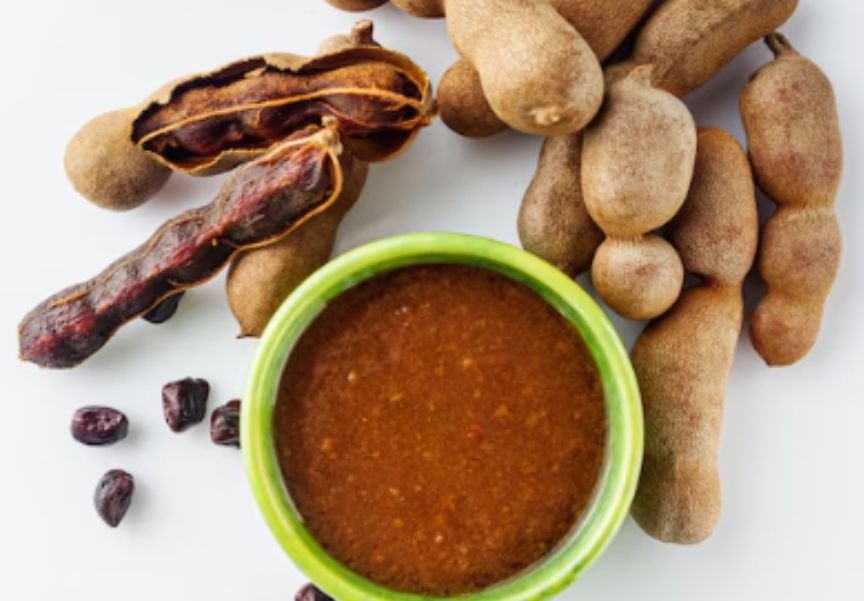
Feeling bloated or sluggish after meals? Tamarind may be the natural digestive boost your gut has been quietly craving.
Tamarind, a tropical fruit used for centuries in cooking and traditional medicine, has long supported digestion.
From soothing occasional bloating to encouraging regular bowel movements, many cultures have relied on it to ease digestive discomfort.
Adding tamarind for digestion into your routine can feel simple, whether through meals, drinks, or natural remedies.
Paying attention to how your body responds can help you make it a helpful part of your gut health. Your digestion might thank you.
Table of Contents
How Tamarind Supports Digestion
Tamarind’s nutrients and properties interact with your gut to improve comfort and regularity naturally, and here is how:
Rich in Dietary Fiber
Fiber in tamarind helps your bowel movements stay regular and prevents sluggish digestion.
Adding it to your meals can support a healthy gut lining and encourage smoother passage of food, reducing strain and discomfort while keeping your digestive system balanced.
Natural Laxative Effects
Tamarind contains compounds that act as a mild laxative, helping relieve occasional constipation without harsh chemicals.
Including it in your diet can ease irregularity, allowing your digestive system to function with less tension and more predictability.
Stimulates Digestive Enzymes
The acids in tamarind encourage your body to produce digestive enzymes, helping break down food efficiently.
This can make meals feel lighter, reduce heaviness after eating, and support nutrient absorption throughout your gut.
Reduces Bloating and Constipation
Regular use of tamarind for digestion can help your gut stay comfortable by easing bloating and relieving constipation.
Its gentle action soothes discomfort, helping your stomach feel lighter and less stressed after meals.
Tamarind in Traditional Medicine
Tamarind has been used for centuries in Ayurveda and African traditional medicine to support digestion.
Its natural properties were trusted to relieve discomfort and keep the gut working smoothly.
Let’s take a closer look:
Ayurveda Uses for Digestion
In Ayurveda, tamarind is valued for its ability to balance digestive fire and relieve constipation.
Mixed into herbal pastes, teas, or eaten with meals, it can help your stomach feel lighter, improve regularity, and support nutrient absorption naturally.
African Traditional Uses
Many African cultures use tamarind to calm stomach discomfort and ease bloating.
Consumed as a drink, paste, or added to stews, it helps maintain gut comfort, supporting smooth digestion without the need for harsh laxatives or chemical remedies.
How to Use Tamarind for Digestion
Tamarind can be added to your daily routine in simple ways without harsh chemicals or supplements.
Here are some of the ways you can use it for digestive health:
Tamarind Tea or Infusion
A warm tamarind tea can soothe your stomach and encourage smooth digestion.
Steeping tamarind pulp in hot water releases natural acids and fibers, which help break down food, reduce bloating, and relieve occasional constipation.
Drinking it before or after meals can keep your gut comfortable and active.
Tamarind Pulp in Smoothies or Meals
Adding tamarind pulp to smoothies, sauces, or stews introduces gentle digestive support with every meal.
Its tangy flavor blends well with fruits, vegetables, or grains, helping your body process nutrients more efficiently while easing heaviness and discomfort after eating.
Tamarind Seed Powder or Extract
Tamarind seed powder or extract offers concentrated benefits for your digestion.
Stirring it into drinks or meals can stimulate digestive enzymes and promote bowel regularity, providing relief from sluggish digestion while keeping your gut functioning smoothly.
Precautions and Side Effects of Tamarind
Tamarind can support digestion effectively, but certain precautions help you use it safely.
Paying attention to dosage, interactions, and age considerations ensures your gut benefits without unwanted effects.
Excessive Intake and Diarrhea Risk
Consuming too much tamarind may lead to diarrhea or loose stools.
Its natural laxative and fiber content can overstimulate your bowel if taken in large amounts.
Starting with small portions and observing your body’s response helps prevent discomfort while still supporting smooth digestion.
Interactions with Medications
Tamarind may interact with certain medications, such as laxatives or blood thinners.
Its acids and compounds can alter absorption or amplify effects, so consulting a healthcare professional before combining tamarind with prescription drugs ensures safe use and prevents unexpected side effects.
Suitability for Children, Adults, and the Elderly
Moderate amounts of tamarind are generally safe for most adults, children, and elderly individuals.
Adjusting portions for age and digestive sensitivity helps maintain comfort, while gradually introducing tamarind into meals or drinks allows your body to adapt without irritation.
Tamarind Recipes for Digestion
Tamarind can be prepared in simple, delicious ways that support your digestion naturally.
Using it in drinks, chutneys, or smoothies helps your gut process meals and reduces bloating comfortably.
Simple Tamarind Water or Juice
Tamarind water or juice is easy to make and gentle on your stomach.
Soak tamarind pulp in warm water, strain, and drink before or after meals.
Its natural acids and fiber help stimulate digestion, ease constipation, and keep your gut feeling lighter and more comfortable.
Tamarind Chutney with Digestive Spices
Combining tamarind with spices like cumin, ginger, or fennel makes a tangy chutney that supports digestion.
Adding it to meals enhances flavor while helping your body break down food, reduce bloating, and maintain smooth bowel movements naturally without processed additives.
Tamarind Smoothie with Fiber-Rich Ingredients
Blending tamarind pulp with fruits, oats, or chia seeds creates a fiber-rich smoothie that encourages healthy digestion.
This combination promotes regular bowel movements, eases heaviness after meals, and delivers essential nutrients while keeping your gut active and comfortable throughout the day.
Scientific Evidence on Tamarind and Digestion
Scientific studies suggest tamarind supports digestive health through multiple mechanisms.
Its high dietary fiber helps add bulk to stools, promoting regular bowel movements and easing constipation.
Research also highlights hydroxycitric acid in tamarind, which may aid food breakdown and improve nutrient absorption.
Enzyme-stimulating compounds found in the pulp and seed extracts help the gut process meals more efficiently, reducing bloating and discomfort.
Animal studies and small human trials indicate that incorporating tamarind into the diet can improve gut motility and relieve occasional digestive irregularities.
However, most research is limited in scale, and results may vary depending on preparation, dosage, and individual digestive patterns.
Further large-scale human studies are needed to confirm effectiveness and determine optimal intake for digestive benefits.
Conclusion
Tamarind for digestion offers a simple, natural way to support your gut and ease occasional bloating or constipation.
Incorporating its pulp, juice, or seed powder into meals, drinks, or smoothies helps your digestive system work smoothly.
Paying attention to portions and how your body responds ensures comfort while enjoying its benefits.
Traditional practices and scientific studies both highlight its potential to improve bowel regularity, stimulate enzymes, and reduce heaviness, making tamarind a gentle addition to your daily digestive routine.
Frequently Asked Questions
Can tamarind help with constipation?
Tamarind’s high fiber content and natural laxative properties can ease occasional constipation, support regular bowel movements, and reduce bloating when incorporated into meals or drinks.
Is tamarind safe for daily use?
Moderate daily consumption of tamarind is generally safe for most adults. Starting with small portions helps your body adjust, avoiding diarrhea or stomach discomfort.
What form is best for digestion?
Tamarind pulp, juice, or seed powder works well for digestion. Combining with water, smoothies, or meals allows fiber and acids to support bowel regularity effectively.