
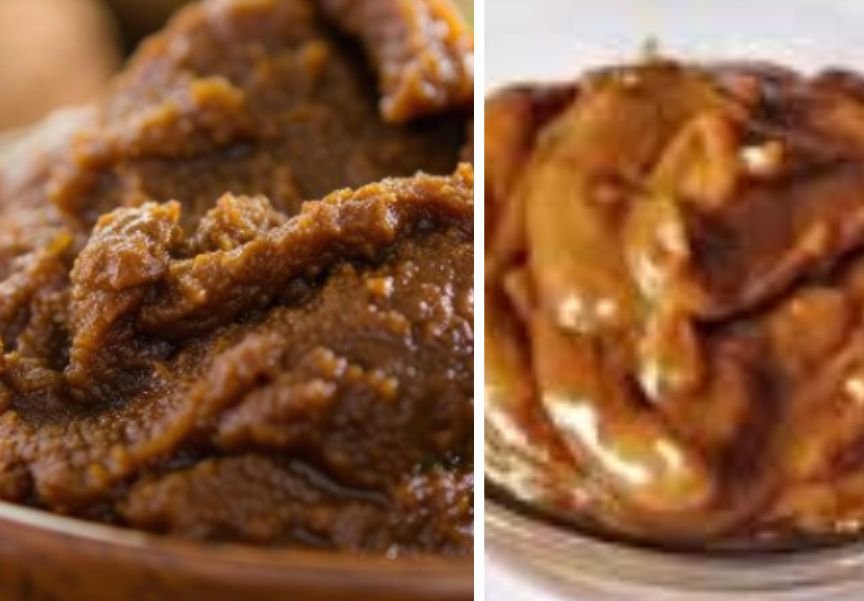
Tamarind paste and pulp slash through heavy fats and sugars, providing a sharp, electric tang that defines the world’s greatest sweet-sour taste.
Tamarind, as a fruit, moves seamlessly from market stalls to your kitchen, where you notice how it appears in two main forms: pulp and paste.
Tamarind pulp offers a thick, fibrous base that can be softened or mashed, while tamarind paste provides a smoother, concentrated option ready for quick use.
Both forms have earned their place in kitchens around the world, appearing in sauces, stews, beverages, and snacks.
Cooking with tamarind becomes a way to layer flavors naturally, adding subtle complexity without overpowering.
Beyond taste, these preparations contribute health benefits, supplying antioxidants, vitamins, and minerals that support digestion and overall wellness while making your meals richer and more satisfying.
Table of Contents
What are Tamarind Paste and Pulp?
Tamarind Paste
Tamarind paste is a smooth, concentrated form of the tamarind fruit, made by straining the pulp to remove fibers and seeds.
Its thick consistency makes it convenient to add to sauces, marinades, soups, and drinks without extra preparation.
With a rich, natural tang, it allows you to layer flavor quickly, saving time while maintaining the fruit’s character.
Tamarind Pulp
Tamarind pulp is the raw, fibrous flesh of the fruit, often sold in blocks or packed fresh.
Its slightly stringy texture requires soaking, mashing, or straining before use, giving you control over consistency and intensity in your dishes.
Ideal for creating pastes, sauces, or beverages from scratch, it captures the authentic essence of tamarind.
Using pulp lets you balance flavor naturally, incorporating its natural tang into cooking with tamarind while preserving vitamins, minerals, and antioxidants that support health.
Difference Between Tamarind Paste and Tamarind Pulp
Tamarind paste and tamarind pulp differ mainly in texture, preparation, and convenience.
Paste is smooth, concentrated, and ready to use, making it ideal for quick recipes, sauces, or drinks without extra effort.
Pulp retains natural fibers and seeds, requiring soaking, mashing, or straining, giving you full control over consistency and flavor intensity.
While paste offers uniformity and ease, pulp provides a more hands-on approach, preserving nutrients and allowing you to adjust tanginess, sweetness, and texture when cooking with tamarind.
Related Posts
Step-by-Step to Make Tamarind Sauce
How to Prepare the Tamarind Candy
Step-by-Step Guide to Make Tamarind Juice
What Does Tamarind Taste Like?
Tamarind Nutrition Information
How to Make Tamarind Pulp
Making tamarind pulp at home allows you to control flavor and consistency, turning raw tamarind into a smooth, ready-to-use ingredient for drinks, sauces, and traditional recipes.
With a few simple steps, you can enjoy its natural sweetness, tanginess, and nutritional benefits anytime.
Selecting the Tamarind Pods
Choose fresh, plump pods with intact shells and no signs of mold.
Slightly dried pods can work too, but avoid overly brittle or darkened ones, as they may affect the pulp’s flavor and texture.
Picking quality pods ensures your homemade pulp tastes fresh and balanced.
Removing Shells and Seeds
Gently crack open the pods and peel off the outer shells. Separate the sticky pulp from the seeds, discarding fibrous strings.
This process gives you the clean, soft pulp that forms the base of your homemade tamarind pulp.
Soaking the Pulp
Place the pulp in a bowl of warm water and let it sit for 10 to 20 minutes.
The soaking softens the fibers, loosens the sticky residue, and makes mashing easier, creating a smooth, workable pulp for your recipes.
Mashing and Straining
Mash the soaked pulp with a spoon or your fingers, breaking it into a consistent paste.
Strain the mixture through a fine sieve to remove any remaining seeds and fibers. The result is soft, flavorful tamarind pulp ready for use.
How to Make Tamarind Paste
Turning tamarind into paste gives you a concentrated, smooth ingredient that’s perfect for cooking with tamarind, sauces, marinades, or drinks.
With careful preparation, your homemade paste will capture the fruit’s natural sweetness, tang, and nutritional benefits while staying shelf-stable longer than pulp.
Choosing the Right Tamarind
Pick fresh or slightly dried pods with intact shells and no mold.
The quality of the pods directly affects the flavor and richness of the paste, so avoid overly brittle or darkened ones that can taste stale or bitter.
Preparing the Pods
Peel off the outer shells and remove the fibrous strings around the seeds.
Extract the sticky pulp, separating seeds to ensure a smooth final paste. Clean preparation is key to a consistent texture.
Soaking for Softening
Place the pulp in warm water and soak for 15 to 30 minutes. This loosens fibers, softens the pulp, and makes it easy to mash, producing a silky, smooth paste ready for straining.
Mashing and Blending
Mash the soaked pulp with a spoon, or use a blender for an ultra-smooth consistency.
Strain the mixture through a fine sieve to remove any remaining seeds or fibers. The result is thick, spreadable tamarind paste with concentrated flavor.
Culinary Uses of Tamarind Paste and Pulp
Tamarind paste and pulp add a bold, lively note to your cooking, enriching sauces, soups, stews, and drinks.
Knowing how to use them creatively helps you unlock new flavors, balance acidity, and highlight spices in everyday meals.
Sauces, Marinades, Soups, and Stews
Both paste and pulp dissolve easily in hot liquids, giving sauces and stews a mellow sourness that complements meat, seafood, and vegetables.
Tamarind works in marinades to tenderize proteins while boosting flavor, or is stirred into soups for a subtle tang that ties all ingredients together naturally.
Pairing with Spices and Other Ingredients
Tamarind pairs beautifully with garlic, ginger, chili, cumin, coriander, and even sweeteners like palm sugar or honey.
Combining tamarind with these ingredients balances sharp and mellow notes, allowing you to adjust intensity and create layers of flavor that enhance both traditional and modern dishes.
Regional Cuisines That Rely on Tamarind
From Indian sambar to Thai pad Thai, Mexican agua fresca, and African stews, tamarind paste and pulp are staples across continents.
Each cuisine uses tamarind differently, showcasing its ability to harmonize with local spices, herbs, and cooking methods while making dishes instantly more vibrant and satisfying.
Health Benefits of Tamarind Paste and Pulp
Tamarind paste and pulp offer more than flavor in your meals.
Knowing their nutritional profile, digestive advantages, and traditional uses helps you include them wisely for better wellness and natural nourishment.
Nutritional Content: Vitamins, Minerals, Antioxidants
Both paste and pulp provide essential vitamins like Vitamin C and B-complex, minerals such as potassium, magnesium, and calcium, and natural antioxidants.
Adding them to your dishes boosts your nutrient intake, supports energy metabolism, and helps combat oxidative stress while keeping meals flavorful and satisfying.
Digestive Benefits and Other Traditional Uses
Tamarind contains soluble fiber that supports bowel movement and gut health, making it a gentle aid for digestion.
Traditionally, it has been used in herbal remedies for mild digestive discomfort, promoting hydration, and maintaining overall digestive balance in everyday meals.
Possible Cautions for Overuse
Consuming tamarind in large amounts can cause mild stomach upset or interfere with certain medications due to its acidity.
Moderation ensures you enjoy tamarind health benefits safely while incorporating its natural flavor and nutrients into your diet.
Tamarind Paste Recipes
Tamarind paste can transform your meals with subtle tang and depth, letting you create traditional dishes, drinks, and treats.
Knowing simple ways to use it unlocks new flavors in everyday cooking, snacks, and sauces.
Sauces and Marinades
Mix tamarind paste with spices, garlic, and a touch of sweetener to create sauces for meats, tofu, or vegetables.
Its natural acidity tenderizes proteins while balancing savory and sweet flavors, adding brightness to barbecues, stir-fries, and roasted dishes with minimal effort.
Soups and Stews
Incorporating tamarind paste into broths and stews introduces gentle sour notes that enhance vegetables, beans, or seafood.
Stir in gradually, taste, and adjust seasoning to maintain harmony with herbs, spices, and aromatics, creating rich, layered dishes.
Traditional Drinks and Desserts
Blend tamarind paste into beverages or sweet treats for a refreshing tang.
It works in spiced teas, sherbets, puddings, or candies, combining naturally with sugar, honey, or fruits for flavorful, culturally inspired snacks.
Regional Recipes
Indian, Thai, Mexican, and African cuisines rely on tamarind paste in chutneys, curries, soups, and sauces.
Experimenting with these recipes lets you bring authentic flavors to your kitchen while pairing tamarind with complementary ingredients like chilies, coconut, or tomatoes.
How to Store and Preserve Tamarind Paste and Pulp
Knowing how to store and preserve tamarind paste and pulp helps you maintain freshness, flavor, and nutrition.
Proper techniques extend shelf life, prevent spoilage, and make your tamarind ingredients ready whenever you need them.
Proper Refrigeration and Freezing Techniques
Store tamarind paste in an airtight container in the refrigerator to keep it smooth and flavorful.
Pulp can also be refrigerated, but freezing in small portions allows long-term use.
Both methods prevent bacterial growth, maintain the natural acidity, and keep the ingredients ready for cooking with tamarind or drinks.
Shelf Life Comparison: Pulp vs Paste
Pulp stored in the refrigerator lasts about two to four weeks, while tamarind paste can stay fresh for up to six months.
Freezing either form further extends usability for several months without losing taste, making it convenient for recipes or beverages anytime.
Tips for Preventing Spoilage
Always use clean utensils to avoid introducing bacteria. Keep containers tightly sealed, avoid moisture exposure, and label with the storage date.
Regularly check for signs of mold or unusual odor, ensuring your tamarind paste and pulp remain safe and flavorful for your meals.
Frequently Asked Questions
How do I substitute tamarind paste for pulp?
Use a smaller amount of tamarind paste mixed with warm water to match the consistency of pulp. Adjust to taste for recipes or beverages.
Can tamarind paste be used in desserts?
Yes, tamarind paste adds a mild tang to desserts, balancing sweetness. Mix carefully in puddings, cakes, or candies for subtle, flavorful results.
How long does tamarind paste last?
Properly stored in an airtight container, tamarind paste lasts up to six months in the refrigerator. Freezing extends usability for several more months.
Is tamarind paste healthy?
Tamarind paste contains fiber, vitamins, minerals, and antioxidants. Moderate use supports digestion, nutrient intake, and general wellness while adding flavor to meals.
References