
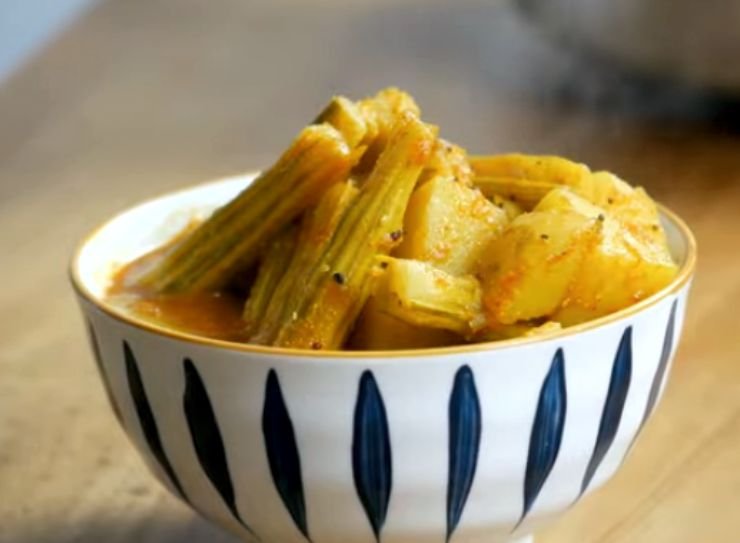
Moringa pod recipes transform simple meals into nutrient-packed dishes, blending fiber, vitamins, and plant-based protein for daily wellness.
Moringa pods from moringa oleifera offer a blend of nutrition, fiber, and mild, earthy flavor that enriches meals while supporting overall wellness.
Packed with vitamins, minerals, and plant-based protein, these pods have been incorporated into traditional dishes across Africa, South Asia, and Southeast Asia, bringing both taste and health benefits to everyday cooking (Moringa Pods).
Their crisp texture and subtle flavor allow them to pair easily with soups, stews, stir-fries, and salads, making them suitable for a variety of culinary applications.
This guide shares a collection of simple and creative moringa pod recipes that make it easy to include moringa pods in daily meals, providing ideas for breakfast, lunch, dinner, and snacks that are both nourishing and flavorful.
Recommended: Ultimate Guide to Moringa
Why Cook with Moringa Pods?
Moringa pods bring more than just flavor to meals. Their natural nutrients, subtle taste, and cultural roots make them a practical and nourishing choice for everyday cooking.
Nutritional Benefits
Rich in vitamins, minerals, and antioxidants, moringa pods support immunity, digestion, and overall health.
Vitamin C boosts immune response, vitamin A supports vision, and minerals like calcium, potassium, and iron help maintain strong bones, fluid balance, and healthy blood, making meals both tasty and nourishing. More on moringa pods nutrition.
Unique Flavor and Texture in Dishes
The mild, earthy flavor and crisp texture of moringa pods add interest to soups, stews, stir-fries, and curries.
They absorb spices well, complement other ingredients, and provide a satisfying bite that keeps meals flavorful and enjoyable.
Cultural and Traditional Significance
Moringa pods have been part of culinary traditions in Africa, South Asia, and Southeast Asia for generations.
They appear in home-cooked meals, festive dishes, and traditional remedies, connecting food, wellness, and local heritage in every recipe.
Recommended Posts
Moringa Pod Powder: Everything to Know
Moringa Flower Powder: Benefits and How to Make it
How to Use all the Moringa Parts
Moringa Safety, Risks and Health Considerations
Moringa Bard Extract Benefits and Dangers
Preparation Tips for Moringa Pods
Proper preparation ensures moringa pods retain their flavor, texture, and nutrients, making meals more enjoyable and wholesome while keeping the pods safe and fresh for cooking.
How to Select Fresh, Tender Pods
Look for bright green, firm pods without blemishes, splits, or signs of drying.
Young pods are tender and flexible, ideal for stir-fries, soups, and stews.
Avoid overly mature or woody pods, which can be tough and less pleasant to eat.
Cleaning, Peeling, and Cutting Tips
Rinse pods under cool running water to remove dirt and residues. Trim the ends and peel tough skin if necessary.
Slice into uniform pieces to ensure even cooking and a consistent texture in every dish.
Storage Tips to Preserve Freshness
Store fresh pods in a perforated plastic bag or container in the refrigerator to maintain color and crispness.
For longer storage, lightly blanch and freeze them, which helps preserve nutrients and flavor for future meals.
Breakfast Moringa Pod Recipes
Starting the day with moringa pods adds fiber, vitamins, and plant protein, creating meals that support digestion, energy, and overall wellness while keeping breakfast flavorful and satisfying.
Here are some moringa pod recipes you can try:
Moringa Pod Smoothies and Juices
To make moringa pod smoothies or juices, trim and slice fresh pods, removing any tough ends or fibrous sections.
Blend the pods with fruits such as banana, mango, or berries, and add yogurt, milk, or plant-based alternatives for creaminess.
Optional ingredients like honey, ginger, or citrus juice balance the mild earthy flavor. Blend until smooth, adjusting liquid for preferred consistency.
The result is a nutrient-packed beverage rich in fiber, antioxidants, vitamins, and minerals that supports morning energy, gut health, and hydration, making it an easy, wholesome start to the day.
Stir-Fried Pods with Eggs or Vegetables
Prepare stir-fried moringa pods by first cleaning and slicing young pods into uniform pieces.
Heat a small amount of oil in a pan, then add garlic, onions, or chili for aroma.
Toss in the pods and cook briefly to retain their crispness and vibrant green color.
Eggs, tofu, or other vegetables can be added to create a balanced, protein-rich breakfast.
Season with salt, pepper, or mild spices. Stir-frying allows the pods to absorb flavors while keeping vitamins and minerals intact.
This quick method creates a wholesome, flavorful dish ready in minutes.
Quick Breakfast Soups with Pods
Quick breakfast soups with moringa pods start by chopping the pods into bite-sized pieces.
In a pot, heat water or broth with onions, garlic, and mild spices, then add the pods and other vegetables like carrots or tomatoes.
Simmer gently until the pods are tender but still vibrant.
Optional protein additions such as beans, eggs, or tofu make the soup more filling.
Light blending or leaving the soup chunky can adjust the texture to preference.
This method preserves nutrients while creating a comforting, easy-to-digest morning meal.
The soup delivers fiber, vitamins, and antioxidants to fuel the day.
Lunch and Dinner Moringa Pod Recipes
Moringa pods bring color, flavor, and nutrition to midday and evening meals.
Their fiber, vitamins, and minerals support digestion, immunity, and sustained energy, making them an excellent addition to soups, stews, and stir-fries.
Moringa Pod Stews and Curries
To prepare stews or curries, start by cleaning and slicing young pods into even pieces.
Sauté onions, garlic, and spices like cumin, coriander, or turmeric in oil until aromatic.
Add chopped tomatoes or broth and simmer until flavors meld.
Stir in the moringa pods and cook just until tender, retaining color and nutrients.
Optional proteins such as chicken, fish, or legumes can be included.
The result is a rich, hearty dish that delivers fiber, vitamins, and minerals while complementing traditional spices, making it nourishing and satisfying for lunch or dinner.
Stir-Fried Dishes with Pods and Spices
For stir-fried meals, clean and slice pods evenly. Heat oil in a wok or pan, adding garlic, ginger, chili, or your choice of spices.
Toss the pods quickly over high heat to maintain their crunch and color.
Incorporate vegetables, tofu, or protein of choice, cooking until just tender.
Light seasoning with soy sauce, herbs, or a squeeze of lemon enhances flavor.
Stir-frying preserves most nutrients, provides plant-based fiber and vitamins, and creates a balanced, colorful meal.
These dishes come together in minutes, making them practical, flavorful, and nutrient-dense for lunch or dinner.
Moringa Pod Soups for Immunity and Digestion
Prepare soups by trimming and slicing pods, then simmering them with broth, garlic, onions, and mild spices.
Add vegetables, grains, or legumes to boost nutrition.
Gentle cooking helps retain vitamins, minerals, and antioxidants that support immune function and digestion.
Optionally, protein like chicken, fish, or tofu can be added for a heartier meal.
Light blending or leaving the soup chunky provides texture variety.
Serving warm, these soups provide a comforting, nourishing meal that promotes gut health, steady energy, and overall wellness, making them suitable for lunch or dinner routines focused on wholesome, plant-based nutrition.
Snacks and Sides Moringa Pod Recipes
Moringa pod recipes can transform simple snacks and side dishes into nutrient-rich options that boost fiber, vitamins, and plant-based compounds, supporting digestion, immunity, and overall wellness.
Their mild flavor and crisp texture make them adaptable for quick bites, salads, or sautéed sides that complement main meals.
Pod-Based Fritters or Pakoras
To make pod-based fritters, start by trimming and slicing fresh moringa pods into small pieces.
Mix the pods with gram flour, a pinch of salt, and spices such as turmeric, cumin, or chili powder.
Add water gradually to form a thick batter. Heat oil in a pan and drop spoonfuls of the mixture, frying until golden brown and crispy.
Drain excess oil on paper towels and serve warm.
These fritters provide fiber, vitamins, and minerals, creating a wholesome, crunchy snack.
They can be enjoyed alone or with yogurt or chutney, making them both flavorful and nourishing.
Healthy Pod Salads
Healthy salads using moringa pods begin with cleaning and thinly slicing young pods.
Combine them with fresh vegetables such as tomatoes, cucumbers, or bell peppers.
Toss the mixture with herbs like cilantro or mint and dress lightly with olive oil, lemon juice, or vinegar.
Optional additions such as nuts, seeds, or beans increase protein and texture.
This preparation preserves the pods’ natural vitamins, minerals, and antioxidants while creating a refreshing, nutrient-dense side dish.
Salads can be served with main courses or eaten alone for a light snack, offering a balanced combination of fiber, color, and fresh flavor.
Light Sautéed Pods with Seasoning
For light sautéed pods, trim and slice young moringa pods evenly. Heat a small amount of oil in a skillet and sauté garlic, onions, or mild spices until aromatic.
Add the pods and cook briefly, stirring frequently, just until tender but still crisp.
Season with salt, pepper, or a squeeze of lemon to bring out the pods’ subtle earthy flavor.
This method preserves most nutrients while enhancing taste and texture.
Light sautéed pods make a quick, healthy side dish or snack, complementing main courses while providing vitamins, minerals, fiber, and antioxidants for a nourishing addition to any meal.
Tips for Maximizing Nutrition
Maximizing the nutrition from moringa pods helps meals support energy, digestion, and overall wellness.
Simple strategies in cooking, food combinations, and portion control make it easy to get the most from these nutrient-packed pods.
Cooking Methods That Preserve Vitamins and Minerals
Light cooking methods like steaming or quick sautéing protect sensitive vitamins such as vitamin C and B-complex.
Boiling or overcooking may reduce nutrient levels, so adding pods near the end of cooking or using minimal water helps retain their natural antioxidants, fiber, and minerals while keeping texture and color appealing in dishes.
Combining Pods with Other Nutrient-Rich Foods
Pairing moringa pods with protein sources like legumes, eggs, or tofu, and healthy fats such as olive oil or seeds, improves nutrient absorption.
Mixing them with colorful vegetables enhances antioxidant intake.
These combinations create balanced meals that support energy, immunity, and digestive health, making the pods a central component of wholesome recipes.
Portion Sizes and Daily Intake Recommendations
Moderation ensures digestive comfort and steady nutrient absorption.
A typical serving of young moringa pods in meals ranges from half a cup to one cup, while powdered forms may be used according to product guidance.
Adjusting portion sizes based on age, health goals, and activity levels allows the pods to contribute safely to daily nutrition without causing digestive upset.
Frequently Asked Questions
Can moringa pods be eaten raw?
Young moringa pods can be eaten raw in salads or smoothies. They provide fiber, vitamins, and antioxidants, though slightly cooking enhances digestibility and flavor for recipes.
How long can cooked pods be stored?
Cooked moringa pods can be stored in the refrigerator for up to three days in an airtight container. Proper cooling helps maintain flavor, texture, and nutrient content.
Can pods be frozen for recipes?
Moringa pods can be blanched briefly and frozen to preserve nutrients. This allows easy use in soups, stews, or stir-fries without losing texture or color.
Are pods safe for children and pregnant women?
Moringa pods are generally safe for children and pregnant women in moderate amounts. Introducing them gradually and consulting a healthcare provider ensures safe inclusion in daily meals.
References