
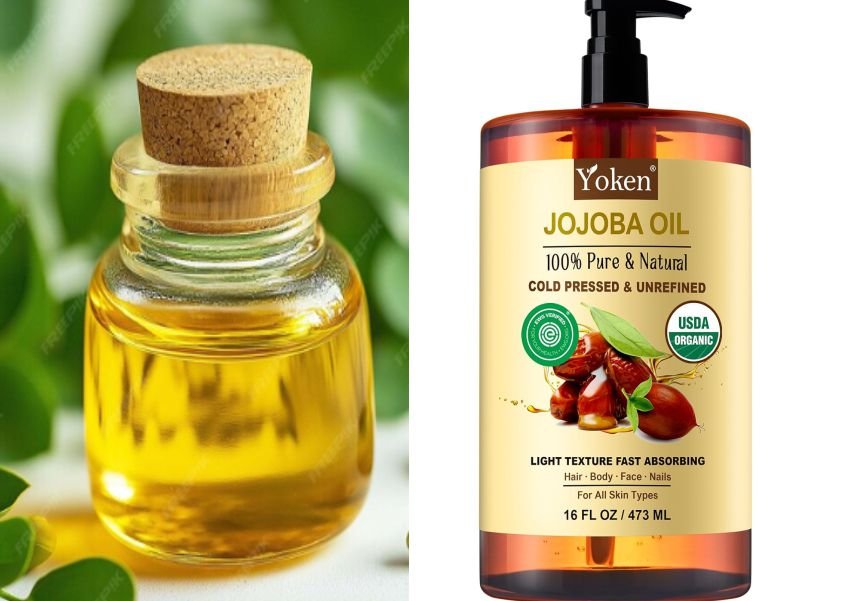
Moringa oil vs jojoba oil: Explore their unique qualities, nutrient compositions, and chemical constituents to understand their true differences and benefits.
Plant-based oils have found their way into your daily routines, shaping how you care for your body, boost wellness, and support overall health.
Among the many options, moringa oil and jojoba oil stand out, both offering multiple uses that sometimes overlap and sometimes differ.
You might have seen them in wellness blogs, natural product labels, or even on your kitchen shelf, but knowing how each performs can make your choices easier.
This article will guide you through their key qualities, chemical makeup, and practical applications, helping you see the differences clearly.
By the end, you’ll have a clearer picture of which oil suits your lifestyle, needs, and preferences.
Table of Contents
Overview of Moringa and Jojoba Oils
Moringa oil and jojoba oil are plant-based oils that bring distinct qualities to your daily routines.
Moringa seed oil, pressed from moringa seeds, is rich in oleic acid, vitamins A, C, and E, and antioxidants, offering hydration, nourishment, and protective benefits.
Jojoba oil, a liquid wax from jojoba seeds, closely mimics your skin’s natural sebum, providing gentle hydration, sebum balance, and stability.
Both oils can support skin, hair, and wellness applications, but their nutrient profiles, absorption rates, and chemical structures differ.
Knowing these differences helps you choose the right oil or combine them for personalized care and enhanced results.
Origins and Extraction Methods
Getting to know where your oils come from and how they are extracted can change how you choose and use them.
Moringa oil and jojoba oil each have different origins and extraction processes, shaping their composition, quality, and shelf life.
Moringa Oil Extraction
Moringa oil is pressed carefully to retain its natural compounds.
Cold-pressing preserves most nutrients, while solvent extraction allows larger yields but may affect purity.
The method you pick influences how long the oil lasts, its flavor, and how well it mixes with other ingredients in wellness or personal care routines.
Jojoba Oil Extraction
Jojoba oil is drawn from the seeds of the jojoba plant, technically creating a liquid wax rather than a traditional oil.
Cold-pressing keeps its structure close to your skin’s natural sebum, making it stable and slow to oxidize.
The extraction method impacts clarity, texture, and longevity, determining how it interacts with your body or blends in products.
How Extraction Methods Matter
Extraction affects the oil’s purity, nutrient content, and shelf life.
Cold-pressed oils keep most active compounds intact but may be pricier, while solvent-extracted versions can offer a higher quantity but lower natural quality.
Knowing the method helps you choose oils that match your storage, usage, and wellness goals.
Related Posts
Moringa and Marula Oils: How Do They Differ?
How Moringa Oil Compares with Argan Oil
Nutritional and Chemical Composition
Knowing what goes into your oils helps you see how they can interact with your body and daily routines.
Moringa oil and jojoba oil each have distinct nutrients and chemical profiles that shape their behavior, stability, and applications.
Moringa Oil Nutrients
Packed with vitamins A, C, and E, moringa oil delivers antioxidants that help protect compounds during storage and use.
Its high oleic acid content makes it stable and smooth, giving a long shelf life and easy blending in recipes or wellness products.
The balance of fatty acids also affects how it is absorbed and feels.
Jojoba Oil Nutrients
Jojoba oil is rich in vitamin E, B-complex vitamins, and minerals, while its wax ester composition sets it apart from traditional oils.
This structure mimics your skin’s sebum, providing moisture without heaviness and resisting rancidity, making it reliable for long-term storage or formulations.
Comparing Key Compounds
Looking at fatty acids, antioxidants, and vitamins side by side helps you understand their strengths and differences.
Moringa oil leans toward oleic acid and antioxidant content, while jojoba oil provides wax esters and minerals, allowing you to match the right oil to your needs and routines.
Moringa Oil vs Jojoba Oil: Benefits for Skin
How oils interact with your skin can change the way your routine feels and performs.
Moringa oil and jojoba oil each offer qualities that support hydration, protection, and comfort, but their effects can differ depending on your skin type and needs.
Moisturizing Properties
Moringa oil deeply hydrates without leaving a greasy residue, making it suitable for dry or sensitive skin, while jojoba oil balances natural sebum, helping oily or combination skin stay nourished.
Both oils lock in moisture, smooth texture, and create a soft, supple feel that works across different climates and routines.
Anti-Aging and Protective Effects
Rich in antioxidants and vitamins, moringa oil helps neutralize free radicals, while jojoba oil calms inflammation and reduces irritation.
Their natural compounds can support skin resilience, minimize fine lines, and soothe environmental stress, giving a gentle boost to your daily skin care regimen.
Non-Comedogenic and Acne-Friendly
Neither oil clogs pores, making them compatible with acne-prone skin.
Moringa oil absorbs quickly, while jojoba oil’s wax esters regulate sebum production. More on moringa oil’s comedogenic rating.
Both can calm redness, reduce breakouts, and maintain a healthy, balanced complexion without heaviness.
Moringa vs Jojoba Oil: Benefits for Hair
Oils can completely change the way your hair feels, looks, and responds to care.
Moringa oil and jojoba oil each offer support for strength, moisture, and scalp health, but they work differently depending on your hair type and routine.
Strength and Shine
Moringa oil penetrates hair strands to strengthen from root to tip, while reducing dryness and dandruff.
Its nutrients add a natural shine, making hair look healthier and more manageable, especially for brittle or chemically treated strands that need extra reinforcement.
Scalp Hydration and Hair Loss Prevention
Jojoba oil focuses on the scalp, hydrating and balancing sebum to prevent dryness or flaking.
Mimicking your scalp’s natural oils, it helps reduce hair loss caused by breakage or imbalance, supporting stronger, fuller growth over time.
Absorption and Hair Type Differences
Moringa oil absorbs quickly into thicker or coarser hair, while jojoba oil works best on fine or oily hair, blending naturally without heaviness.
Choosing the right oil depends on your hair texture, scalp condition, and the results you want to achieve.
Other Uses and Health Benefits
Oils can play a role beyond skin and hair, adding value to your kitchen, wellness routines, and self-care practices.
Moringa oil and jojoba oil each have applications that extend into health and everyday use, with effects shaped by their composition.
Culinary and Massage Applications
Moringa oil works well in cooking, providing a mild flavor while retaining nutrients.
It also serves as a massage oil, soothing muscles and supporting circulation, and may aid in minor wound healing thanks to its anti-inflammatory properties.
Carrier and Lip Care
Jojoba oil acts as a gentle carrier for essential oils, making blends easier to apply and absorb.
It’s ideal for lip care, softening and protecting delicate skin, and can assist in minor wound care or irritation without clogging pores.
Safety Considerations
Both oils are generally safe, but patch testing is wise if your skin or scalp is sensitive.
Using cold-pressed, high-quality versions helps minimize irritation and maximizes benefits for culinary or topical use.
How to Choose Between Moringa and Jojoba Oil
Choosing the right oil can make your routines feel more effective and enjoyable.
Moringa oil and jojoba oil each offer different strengths, so matching them to your needs helps you get the results you want without guesswork.
Match to Skin and Hair Type
Moringa oil suits dry or mature skin and thicker hair, providing deep hydration and strengthening properties.
Jojoba oil works well for oily, combination, or sensitive skin and fine hair, balancing natural oils while maintaining moisture. Picking an oil based on your hair or skin type helps prevent irritation and improves absorption.
Consider Price, Availability, and Purity
Moringa oil can be pricier and less common, while jojoba oil is widely available and stable.
Choosing high-quality, cold-pressed oils ensures nutrient retention and safety, giving better results for topical, culinary, or therapeutic use.
Combining Oils for Maximum Benefits
Blending moringa and jojoba oils allows you to take advantage of both oils’ strengths.
You can mix them for hydration, antioxidant protection, or scalp and hair care, creating a balanced solution that works across different routines and personal goals.
Conclusion
Moringa oil and jojoba oil each bring their own strengths to your wellness, skincare, and hair routines.
Moringa oil excels in hydration, antioxidants, and strengthening, while jojoba oil balances natural oils and supports scalp health.
Choosing the right oil depends on your skin type, hair texture, and personal goals, but combining them can create a blend that captures the benefits of both.
Understanding their origins, nutrients, and applications helps you make informed choices, ensuring that your daily routines deliver nourishment, protection, and results tailored to your lifestyle.
Frequently Asked Questions
What is the main difference between moringa oil and jojoba oil?
Moringa oil is rich in oleic acid and antioxidants, while jojoba oil contains wax esters and minerals, mimicking skin’s natural sebum. Their absorption and applications differ.
Which oil is better for dry skin?
Moringa oil penetrates deeply, locking in moisture and smoothing texture, making it ideal for dry or mature skin compared to jojoba oil’s lighter, balancing effects.
Can these oils be used together?
Yes, blending moringa and jojoba oils combines hydration, antioxidant protection, and sebum balance, creating a versatile mix suitable for hair, skin, and wellness routines.
Are there any safety concerns using these oils?
Both oils are generally safe, but patch testing is recommended for sensitive skin or scalp. High-quality, cold-pressed oils reduce irritation and preserve nutrients.