
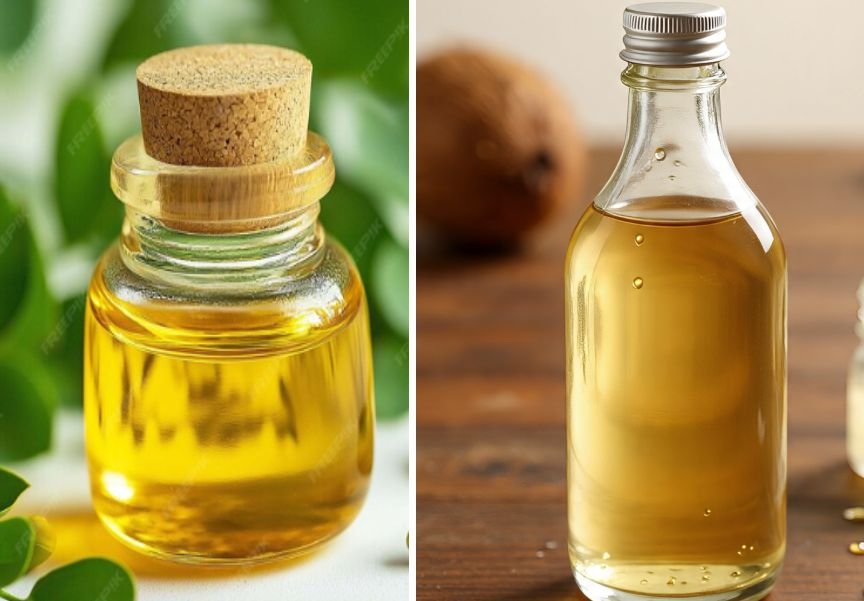
Moringa oil vs coconut oil offers a surprising comparison of nourishment, hair growth, and skin benefits you didn’t expect.
Moringa oil and coconut oil are two natural oils that have found their way into many daily routines.
You might have tried one or both for skin, hair, or cooking, but choosing the right one can feel confusing.
This guide will help you see how each oil performs, from moisturizing and nourishing your hair to supporting skin health and overall wellness.
By comparing their benefits, texture, absorption, and practical uses, you can decide which suits your needs best.
After reading, making a choice that fits your lifestyle and goals will feel straightforward and informed, giving you confidence in your selection.
New to moringa? Start from the beginning.
Table of Contents
Overview of Moringa Oil and Coconut Oil
Moringa oil and coconut oil are widely used natural oils with different strengths and applications.
Moringa oil from moringa seeds is rich in antioxidants and fatty acids, making it popular for skin hydration, reducing dryness, and supporting hair health.
Coconut oil, derived from mature coconuts, is valued for its moisturizing properties, gentle cleansing, and ability to strengthen hair and nails.
Both oils can be incorporated into daily routines, from cooking to beauty care, but their composition and effects differ.
Let’s take a deeper look:
Nutritional and Chemical Composition
Moringa oil vs coconut oil shows clear differences in nutrients and compounds, affecting how they nourish your skin, hair, and body.
Moringa Oil Fatty Acids
Moringa oil contains high amounts of oleic acid, a healthy monounsaturated fat that supports skin elasticity and hair strength. More on moringa oil nutrition facts.
It absorbs quickly, leaving your skin soft without heaviness, and adds gentle nourishment for dry or stressed hair.
Coconut Oil Fatty Acids
Coconut oil is rich in lauric acid, a medium-chain fatty acid that can penetrate hair and skin.
It provides moisture and a protective layer, helping reduce breakage and keeping hair shiny, while supporting smooth, hydrated skin.
Antioxidants and Vitamins in Moringa Oil
Packed with vitamin E, carotenoids, and polyphenols, moringa oil helps combat free radicals.
It supports your skin’s natural barrier, protects against environmental stress, and nourishes hair from root to tip.
Antioxidants and Vitamins in Coconut Oil
Coconut oil contains vitamin E and minor antioxidants that aid hydration and hair health.
Its composition strengthens hair strands and soothes dry, flaky skin, though it may leave a slightly heavier layer compared to lighter oils.
Absorption and Stability Differences
Moringa oil absorbs faster, making it ideal for daytime use or quick skin and hair care.
Coconut oil is more stable in heat and cooking, but it can feel heavier when applied to skin, so your choice depends on comfort and purpose.
Related Posts
Marual Oil vs Moringa Seed Oil
Moringa Oil and Argan Oil: How Do They Compare?
Is Moringa Oil Better Than Jojoba Oil?
How Castor Oil is Different from Moringa Oil
Moringa Oil vs Coconut Oil: Benefits for Skin
Moringa oil vs coconut oil brings different advantages to your skincare routine, depending on your skin type and goals.
Moringa Oil for Skin
Moringa oil provides deep hydration while staying light and non-greasy.
Rich in antioxidants, it helps reduce fine lines, smooths texture, and protects against environmental damage.
It works well for dry, sensitive, and combination skin, leaving your face soft without feeling heavy. See how to use moringa oil for dry skin.
Coconut Oil for Skin
Coconut oil locks in moisture and offers natural antibacterial support.
It can soothe rough patches and dry areas, though it may clog pores for oily or acne-prone skin.
Best suited for normal to dry skin, it creates a protective, nourishing layer.
Benefits for Hair
Moringa oil vs coconut oil shows different strengths when it comes to hair care, from shine and scalp health to growth support.
Moringa Oil for Hair
Moringa oil strengthens strands and adds natural shine, while reducing dryness and flakiness. See how to use moringa oil for hair health.
Its lightweight texture makes it easy to massage into the scalp without leaving hair greasy, working well for fine, dry, or chemically treated hair.
Coconut Oil for Hair
Coconut oil nourishes the scalp and penetrates hair fibers to prevent protein loss.
Regular use can support hair growth, reduce breakage, and protect against environmental damage, ideal for thick, curly, or dry hair types.
Choosing the Right Oil
Light oils like moringa suit most hair textures, while heavier oils like coconut deliver deep nourishment for thick or damaged hair.
Your choice depends on absorption, styling needs, and scalp condition.
Health Benefits
Moringa oil vs coconut oil affects more than your skin and hair, offering potential support for overall wellness.
Moringa Oil for Health
Moringa oil contains compounds that support heart health, reduce inflammation, and provide antioxidants.
Regular use in cooking or supplements can help your body manage oxidative stress, supporting wellness naturally, while adding mild flavor to meals.
Coconut Oil for Health
Coconut oil offers quick energy through medium-chain fatty acids and has antibacterial properties that support digestion.
Some studies suggest it may benefit heart health, though evidence is mixed, so moderation is key.
Scientific Evidence vs Traditional Claims
Moringa oil shows promising antioxidant and anti-inflammatory effects in studies, while coconut oil’s benefits are partly traditional.
Balancing both scientific findings and historical use helps guide safe, practical choices for your health.
Potential Drawbacks or Side Effects
Moringa oil vs coconut oil is generally safe, but knowing potential reactions helps you avoid unwanted effects and make smarter choices for skin, hair, and overall health.
Moringa Oil Side Effects
Moringa oil is usually gentle, with rare reports of allergic reactions.
Testing a small patch on your skin first can help ensure it suits your routine without irritation, making it safe for most skin and hair types.
Coconut Oil Side Effects
Coconut oil may feel heavy or greasy on the skin and can trigger breakouts for oily or acne-prone types.
Consuming large amounts may increase saturated fat intake, so moderation is important for heart health.
Choosing Safely
Selecting oils based on your skin type, hair texture, and dietary needs reduces risk.
Light oils like moringa suit sensitive users, while coconut works best when applied carefully and consumed in controlled amounts.
How to Choose Between Moringa Oil and Coconut Oil
Moringa oil vs coconut oil serves different purposes, and picking the right one depends on your needs.
Considering your skin, hair, and lifestyle makes the choice simple and effective.
Consider Skin and Hair Type
Oily or acne-prone skin benefits from lighter oils like moringa, while dry or thick hair responds well to coconut oil.
Matching oil texture to your natural oils helps your routine feel comfortable and effective.
Intended Use: Cooking or Topical Application
Coconut oil works well for cooking and adds moisture when applied to hair or skin, while moringa oil excels as a quick-absorbing topical for hydration, anti-aging, or shine.
Budget and Availability
Moringa oil may cost more or be harder to find, while coconut oil is widely available and affordable.
Your choice can balance price, convenience, and how often you plan to use it.
Conclusion
Moringa oil vs coconut oil: each brings distinct benefits for skin, hair, and overall health.
Moringa oil absorbs quickly, supports hydration, and delivers antioxidants, while coconut oil offers deep moisture, scalp nourishment, and energy benefits when consumed.
Choosing the right oil depends on your skin and hair type, intended use, and lifestyle.
Testing both oils in small amounts can reveal which works best for your routine.
By considering texture, absorption, and nutritional properties, you can make informed decisions that fit your beauty, wellness, and cooking practices, giving you confidence in daily use.
Frequently Asked Questions
What is the main difference between moringa oil and coconut oil?
Moringa oil absorbs quickly, is rich in antioxidants, while coconut oil is thicker, deeply moisturizing, and provides lauric acid for hair, skin, and moderate health support.
Which oil is better for sensitive skin: moringa or coconut oil?
Moringa oil suits sensitive or combination skin because it’s lightweight, non-greasy, and unlikely to clog pores, while coconut oil may feel heavy or cause breakouts.
Can moringa and coconut oils be used for cooking?
Coconut oil is heat-stable, making it suitable for cooking, while moringa oil can be used in small amounts for flavor or light dressings.
How do I choose the right oil for hair between moringa oil and coconut oil?
Fine or chemically treated hair benefits from moringa oil’s light absorption, while thick, dry, or curly hair thrives with coconut oil’s deep nourishment and protein protection.
References