
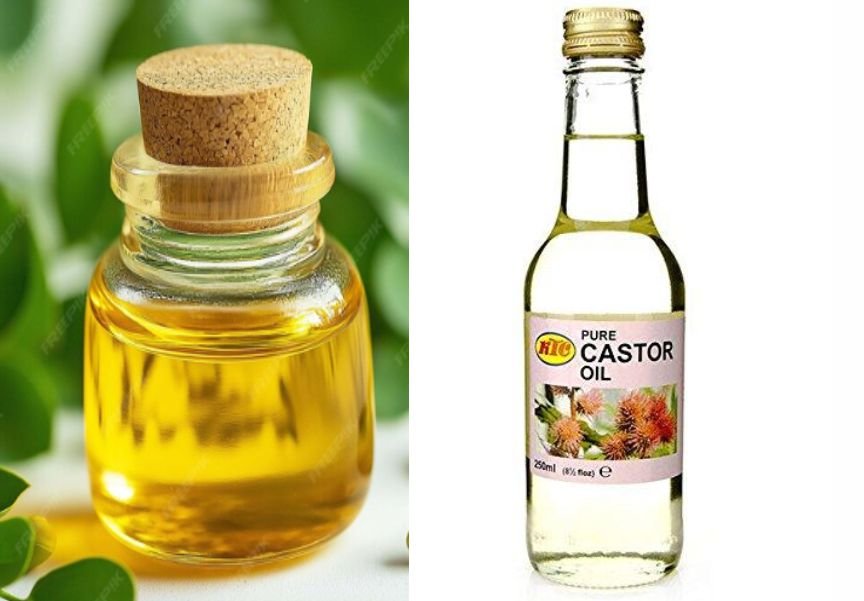
Moringa oil vs castor oil: discover which natural oil deeply nourishes skin, strengthens hair, and supports daily beauty and wellness routines.
Comparing moringa oil vs castor oil helps you choose the right natural oil for your skin, hair, and wellness needs.
Oil from moringa seed offers light hydration, antioxidants, and vitamins for smoother skin, healthier hair, and scalp nourishment.
Castor oil delivers thicker, deep-conditioning moisture, supporting hair growth, scalp care, and dry skin repair.
Knowing their differences in texture, absorption, and nutrient focus lets you match each oil to your routine and goals.
This guide breaks down their benefits, applications, and best practices, helping you decide which oil fits your lifestyle or how to use both effectively for complete skin and hair care.
Table of Contents
What Are Moringa and Castor Oils?
Both moringa oil and castor oil are plant-based oils prized for skincare, haircare, and wellness.
Their different nutrients, textures, and absorption make each suitable for specific routines, letting you choose the one that fits your goals.
Moringa Oil
Moringa oil is cold-pressed from moringa seeds, rich in oleic acid, antioxidants, and vitamins A and E.
It absorbs quickly, hydrates skin, strengthens hair, calms minor irritation, and supports overall wellness in daily beauty and natural care routines.
Castor Oil
Castor oil comes from castor bean seeds, containing ricinoleic acid, fatty acids, and vitamin E.
Thick and deeply moisturizing, it supports hair growth, scalp hydration, dry skin repair, and overall natural health remedies.
Moringa Oil vs Castor Oil: The Differences
Comparing moringa oil vs castor oil helps you decide which works best for your skin, hair, and wellness needs.
Their nutrients, textures, absorption, and uses differ, making each suitable for specific routines.
Nutritional Composition
Moringa oil is rich in oleic acid, vitamins A and E, and antioxidants, supporting skin hydration, elasticity, and hair nourishment. See moringa oil nutrition facts here.
Castor oil contains ricinoleic acid, fatty acids, and vitamin E, providing deep moisture, scalp support, and hair growth stimulation, making nutrient choice dependent on your wellness goals.
Texture, Thickness, and Absorption
Moringa oil feels light, smooth, and absorbs quickly without leaving a greasy residue, ideal for massage, hair ends, or facial hydration.
Castor oil is thick, dense, and slower to absorb, delivering long-lasting moisture and deep conditioning, especially for dry skin, coarse hair, or scalp treatments.
Shelf Life, Scent, and Color
Moringa oil has a mild, nutty aroma with a golden-yellow hue, and it resists oxidation, lasting longer when stored in a cool, dark place. See moringa oil shelf life.
Castor oil is pale yellow, nearly odorless, and stable, but should be sealed tightly to maintain quality and prevent contamination.
Typical Uses and Effectiveness
Moringa oil works well for daily facial care, body hydration, hair nourishment, and gentle massages, improving texture and softness. See uses of moringa oil.
Castor oil excels at targeting split ends, stimulating hair growth, soothing dry patches, and supporting thick, strong hair or deep skin hydration.
Related Posts
Marual Oil vs Moringa Seed Oil
Moringa Oil and Coconut Oil: Which is Better?
Skin Benefits Comparison
Comparing moringa oil vs castor oil for skin helps you choose the best option for hydration, anti-aging, barrier support, and overall skin health, matching your routine to your needs.
Moringa Oil
Moringa oil penetrates deeply to hydrate dry areas while strengthening your skin barrier, helping protect against environmental stress.
Its antioxidants and vitamins A and E support elasticity, reduce fine lines, and promote smoother, softer skin.
Regular use calms irritation, making it gentle enough for sensitive or reactive skin without feeling heavy or greasy.
Antioxidant Support and Barrier Protection
Rich in antioxidants, moringa oil shields your skin from free radicals, maintaining a healthy glow and protecting against premature aging.
Its barrier-supporting properties lock in moisture, improve resilience, and help maintain comfort on rough, dry, or sensitive areas.
Castor Oil
Castor oil provides intense moisture, softening dry, rough skin while helping calm minor inflammation.
Its fatty acids work to reduce acne, fade scars, and soothe irritation, supporting healthier-looking skin with consistent use.
Natural Cleanser and Exfoliant
Castor oil can gently remove dirt, excess oils, and dead skin cells while nourishing, acting as a natural cleanser or light exfoliant.
Regular application encourages smoother texture, balanced hydration, and refreshed skin without harsh chemicals.
Hair Benefits Comparison
Comparing moringa oil vs castor oil for hair helps you choose the right oil to support scalp health, shine, growth, and overall hair strength, tailored to your hair type and needs.
Moringa Oil for Scalp Health and Nourishment
Moringa oil penetrates the scalp to deliver nutrients that strengthen roots, reduce dryness, and soothe irritation.
Its antioxidants and fatty acids nourish each strand, improving shine, softness, and manageability while supporting healthier, more resilient hair from root to tip.
Castor Oil for Growth and Thickness
Castor oil promotes hair growth, thickness, and repair of split ends.
It’s ricinoleic acid and fatty acids that stimulate follicles, improve circulation, and strengthen strands, helping hair look fuller, healthier, and more resilient over time with consistent use.
Matching Oils to Hair Types and Concerns
Moringa oil works well for dry, brittle, or coarse hair needing hydration and shine, while castor oil suits thinning hair, scalp stimulation, or hair that needs repair.
Combining both oils strategically can target multiple hair concerns for stronger, healthier hair overall.
Choosing the Right Oil for Your Needs
Selecting between moringa oil and castor oil depends on your skin, hair, and wellness goals.
Knowing how each oil works helps you create a routine that feels natural, effective, and easy to maintain.
Skin Type Considerations
Moringa oil suits dry or sensitive skin, locking in moisture, soothing irritation, and supporting the skin barrier.
Castor oil works well for oily or acne-prone skin, helping reduce inflammation, cleanse pores, and smooth texture without feeling heavy.
Choosing based on skin type ensures hydration, comfort, and visible improvement.
Hair Type Considerations
For thin, fine, or damaged hair, moringa oil provides gentle nourishment, hydration, and shine without weighing strands down.
Castor oil suits curly, coarse, or thinning hair, stimulating growth, strengthening roots, and repairing split ends.
Selecting oil according to hair texture and needs protects strands and boosts overall health.
Using Both Oils Together
Combining moringa and castor oils can provide comprehensive care.
Apply moringa oil for hydration and shine, then use castor oil on roots or dry areas for growth and repair.
Layering carefully lets you enjoy benefits safely without overloading skin or hair.
Conclusion
Moringa oil and castor oil each deliver powerful benefits for skin, hair, and overall wellness.
Moringa oil offers light hydration, antioxidants, and gentle nourishment, ideal for dry or sensitive skin and scalp care.
Castor oil provides deep conditioning, supports hair growth, and repairs dry or damaged areas.
Knowing their differences in absorption, texture, and nutrient focus allows you to match each oil to your specific needs.
Using both strategically can provide complete care, letting your skin feel soft, your hair strong and shiny, and your daily routine simple, effective, and tailored to your lifestyle goals.
Frequently Asked Questions
What is the main difference between moringa oil and castor oil?
Moringa oil is light, fast-absorbing, and rich in antioxidants, perfect for hydration and sensitive skin. Castor oil is thicker, deeply moisturizing, and supports hair growth and repair.
Can moringa and castor oils be used together safely?
Yes, layering moringa oil for hydration and shine with castor oil on roots or dry ends provides complete skin and hair care safely.
Which oil is better for dry skin and brittle hair: moringa or castor oil?
Moringa oil hydrates and soothes dry skin and hair gently, while castor oil deeply conditions brittle hair and repairs split ends over time.
How should I apply castor oil for hair growth?
Massage a small amount of castor oil into the scalp, leave for 30–60 minutes, then wash. Regular use strengthens roots and stimulates hair growth naturally.
References