
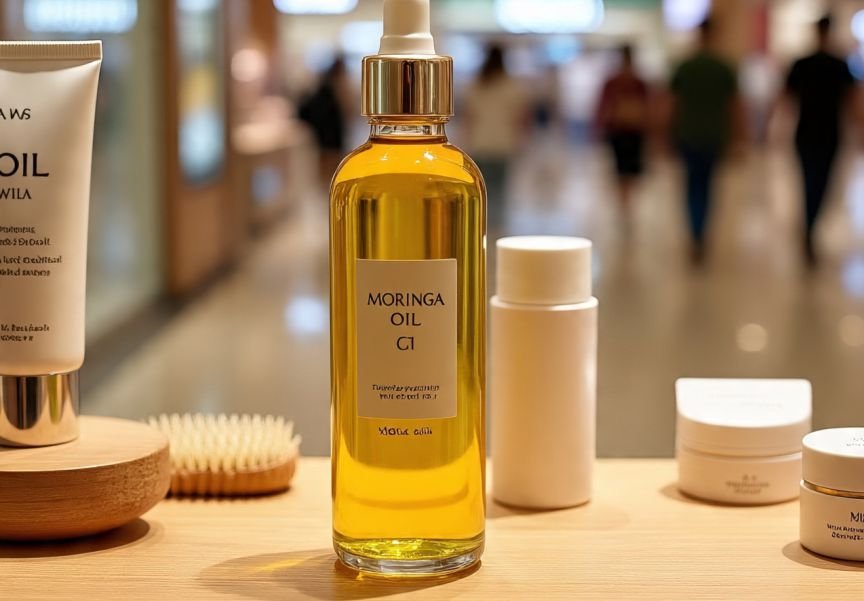
The moringa oil shelf life depends on storage, purity, and packaging, affecting potency, freshness, and effectiveness for skin, hair, and wellness use.
The moringa seed oil shelf life matters for maintaining the quality and effectiveness of your skin, hair, and wellness routines.
Using fresh oil ensures maximum hydration, nutrient support, and antioxidant benefits without irritation or reduced potency.
Moringa oil is relatively stable compared to many other plant oils, giving you confidence in its long-lasting use when stored properly.
Paying attention to storage, exposure to light or heat, and how often you open the bottle helps keep the oil fresh and safe.
Knowing the shelf life lets you enjoy its nourishing effects consistently while protecting your skin, hair, and overall wellness from degraded or rancid products.
New to the moringa discussion? Checkout the introductory guide to moringa.
Table of Contents
What Determines Moringa Oil Shelf Life?
The longevity and effectiveness of moringa oil depend on several factors, including how it’s extracted, how you store it, and the type of packaging.
Paying attention to these keeps your oil fresh, potent, and safe for skin, hair, and wellness use.
Extraction Method: Cold-Pressed vs Refined
Cold-pressed moringa oil retains natural antioxidants, fatty acids, and nutrients that protect the oil from going rancid.
Refined or highly processed oils may lose some stability, reducing shelf life and potency.
Choosing high-quality, minimally processed oil helps maintain freshness, effectiveness, and nutrient benefits for skincare, hair care, or therapeutic uses.
Storage Conditions: Light, Heat, Air Exposure
Exposure to sunlight, high temperatures, or air accelerates oxidation, causing moringa oil to smell off or lose nutrients.
Keep the bottle tightly sealed in a cool, dark place, away from heat or humidity, to protect its stability and maximize its beneficial effects.
Packaging: Dark Glass Bottles vs Clear Plastic
Dark glass bottles block light and limit chemical breakdown, preserving antioxidants and nutrients longer.
Clear plastic or transparent bottles increase the risk of oxidation, reducing shelf life.
Choosing dark, airtight containers helps keep moringa oil fresh for daily skin, hair, and wellness routines.
Related Posts
Moringa Oil Allergies and Reactions
Moringa Oil Comedogenic Rating
Benefits of Cold-Pressed Moringa Oil
Moringa Oil Fatty Acid Profile
How to Choose Authentic Moringa Oil
Different Ways of Using Moringa Oil
Typical Shelf Life of Moringa Oil
Shelf life depends on whether the bottle is opened and how it’s stored.
Unopened: 12–24 Months
Sealed bottles of cold-pressed moringa oil can remain fresh for up to two years if stored in a cool, dark place.
Nutrients, fatty acids, and antioxidants stay intact, giving you long-lasting hydration, elasticity support, and hair nourishment until you’re ready to use it.
Opened: 6–12 Months
Once opened, moringa oil is exposed to air and light, which gradually reduces its potency.
Using it within six to twelve months ensures maximum freshness, effectiveness, and nutrient retention for skincare, hair care, or wellness routines.
How to Tell If Moringa Oil Has Gone Bad
Keeping an eye on your moringa oil’s freshness protects your skin, hair, and overall wellness. Simple signs reveal when it’s time to replace the bottle and maintain safe, effective care.
Changes in Smell: Rancid or Sour
Fresh moringa oil has a mild, nutty aroma. A sour, sharp, or rancid smell indicates oxidation, meaning the oil has degraded.
Using rancid oil can irritate skin, reduce nutrient benefits, and make hair care less effective.
Color Changes: Darker Than Usual
Moringa oil should be pale golden. If it deepens to a darker or uneven hue, the antioxidants and fatty acids may be breaking down, signaling that the oil is losing quality.
Texture Changes: Sticky, Thick, or Grainy
Smooth, light oil can turn thick, sticky, or grainy when it ages or oxidizes.
Altered texture reduces absorption and hydration, making the oil less effective for skin, hair, or massage routines.
How to Extend Moringa Oil Shelf Life
Proper storage and careful handling help your moringa oil stay fresh, potent, and effective for skin, hair, and wellness.
Simple habits can preserve nutrients, antioxidants, and moisture benefits.
Store in a Cool, Dark Place
Heat and sunlight accelerate oxidation, reducing the oil’s potency.
Keeping your moringa oil in a cool, shaded cabinet or drawer preserves its golden color, smooth texture, and beneficial fatty acids, keeping it safe and nourishing for daily use.
Keep the Bottle Tightly Sealed
Air exposure speeds up rancidity. Always close the cap firmly after each use to prevent oxygen from breaking down nutrients, ensuring the oil stays fresh and maintains its skin and hair benefits longer.
Avoid Contamination: Hands, Water, Other Products
Introducing water, dirty hands, or other products into the bottle can promote bacterial growth and spoil the oil.
Use a clean dropper or pour carefully to protect freshness and effectiveness for skincare, hair care, or massage routines.
Best Packaging for Longevity
The right packaging protects moringa oil from light, air, and contamination, helping it stay fresh, potent, and safe for skin, hair, and wellness use.
Choosing wisely preserves nutrients and keeps your routines effective.
Dark Glass Bottles
Dark or amber glass blocks sunlight and reduces oxidation, keeping antioxidants and fatty acids intact.
Using glass rather than plastic helps maintain the oil’s color, aroma, and nourishing properties for longer periods.
Dropper or Pump Tops
Controlled dispensing prevents air exposure and contamination.
Droppers and pump tops allow precise application without touching the oil directly, helping preserve freshness and nutrient quality while reducing the risk of spoilage.
Avoid Wide-Mouth Containers
Wide openings expose oil to more air and increase contamination risk from fingers or tools.
Narrow-neck bottles limit oxidation and help maintain texture, color, and skin or hair benefits over time.
Conclusion
Moringa oil shelf life depends on how you store, handle, and package it, affecting freshness, potency, and effectiveness for skin, hair, and wellness.
Proper care ensures the oil retains antioxidants, fatty acids, and nutrients that hydrate, nourish, and protect.
Using fresh, high-quality moringa oil keeps your skin soft, hair healthy, and routines consistent.
Simple steps like storing in a cool, dark place, keeping the bottle sealed, and using appropriate packaging extend longevity.
Being mindful of changes in smell, color, or texture helps you replace oil before it loses its benefits, keeping your self-care safe and effective.
Frequently Asked Questions
How long does moringa oil stay fresh once opened?
Opened moringa oil typically remains potent for 6–12 months when stored in a cool, dark place, tightly sealed, and protected from light or heat exposure.
Can moringa oil go bad even if unopened?
Yes, unopened moringa oil can degrade after 12–24 months, depending on extraction, packaging, and storage conditions, reducing nutrient content and effectiveness for skin and hair.
What are the signs that moringa oil has expired?
Rancid or sour smell, darker color than usual, or sticky, thick, or grainy texture indicate moringa oil has lost freshness, potency, and moisturizing properties.
Does packaging affect moringa oil shelf life?
Yes, dark glass bottles with droppers or pump tops limit air and light exposure, preserving antioxidants, nutrients, and texture longer than clear or wide-mouth containers.