
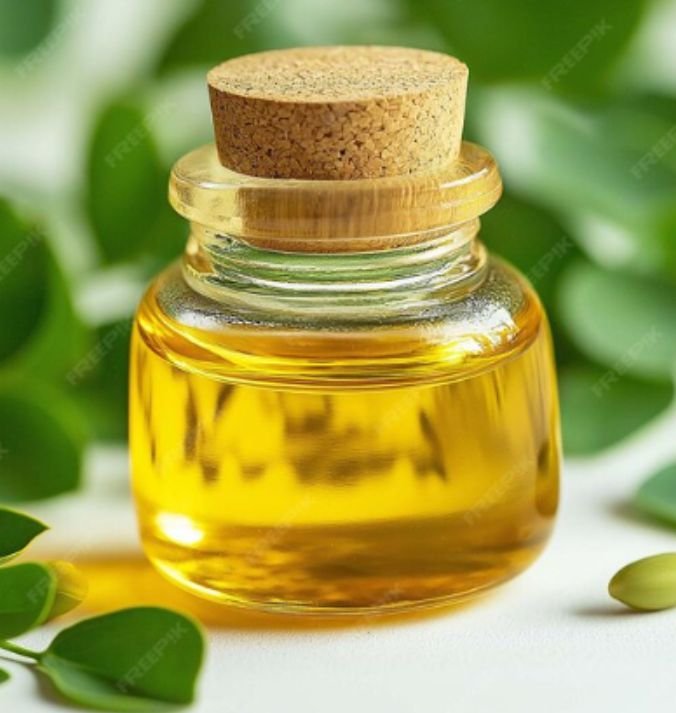
Moringa oil can transform health and beauty routines, delivering natural hydration, nourishment, and protection for skin, hair, and overall well-being.
Moringa seed oil offers a natural boost for your skin, hair, and overall wellness, fitting seamlessly into daily routines. See the health benefits of moringa seed oil.
Its nourishing properties help maintain healthy, hydrated skin, reducing dryness and promoting a smooth, supple texture.
For hair, it supports scalp health, strengthens strands, and adds shine, helping you achieve a vibrant, well-maintained look.
In the kitchen, it works well for cooking, providing a light, pleasant flavor while retaining nutrients even under heat.
Beyond these practical uses, it contributes to overall well-being, supporting the body with antioxidant and anti-inflammatory benefits.
Adding this oil to your lifestyle can enhance self-care routines, culinary experiences, and general health, offering simple, natural ways to improve everyday life and maintain balance.
Table of Contents
What is Moringa Oil?
Moringa oil, also called moringa seed oil, Ben oil, or Behen oil, is a nutrient-rich oil extracted from the seeds of the Moringa oleifera tree. It is valued for its lightweight texture, high oleic acid content, and antioxidant properties.
This oil supports skin hydration, hair nourishment, and overall wellness, while also serving as a healthy option for cooking.
Nutritional and Chemical Composition of Moringa Oil
Moringa seed oil contains a variety of nutrients and bioactive compounds that support your heart, skin, hair, and overall health.
Knowing what is inside helps you use it effectively for cooking, beauty, and wellness.
Oleic Acid and Fatty Acids
Most of this oil is made up of oleic acid, which can help maintain healthy cholesterol and support heart function.
It also contains palmitic acid, which supports energy production, and behenic acid, which nourishes and strengthens skin and hair.
Using the oil in your diet or as part of your beauty routine provides these fatty acids naturally, promoting stronger hair, softer skin, and overall wellness.
Vitamins A, C, and E
The oil delivers vitamins that support multiple aspects of your health.
Vitamin A helps maintain skin and eye health, vitamin C protects your cells from oxidative stress, and vitamin E supports hydration and immune function.
Together, these vitamins help maintain healthy skin, boost your immunity, and provide antioxidant protection that contributes to overall wellbeing.
Antioxidants and Bioactive Compounds
Moringa oil contains antioxidants like quercetin, chlorogenic acid, phenolics, and flavonoids.
These compounds combat free radicals and reduce inflammation, protecting your cells and supporting internal health.
Their antibacterial and anti-inflammatory properties also help maintain skin and scalp health.
Including this oil in your routine allows you to benefit from natural compounds that support both appearance and overall wellness.
| Component Type | Key Compounds | Benefits |
|---|---|---|
| Fatty Acids | Oleic acid, Palmitic acid, Behenic acid | Supports heart health, energy production, nourishes skin and hair |
| Vitamins | Vitamin A, Vitamin C, Vitamin E | Maintains healthy vision and skin, protects cells from oxidative stress, boosts immune function |
| Antioxidants | Quercetin, Chlorogenic acid | Neutralizes free radicals, reduces inflammation, supports overall health |
| Bioactive Compounds | Phenolics, Flavonoids | Offers anti-inflammatory and antibacterial effects, promotes healthy skin and hair |
Related Posts
The Profile of Moringa Oil Fatty Acid
How to Know Quality Moringa Seed Oil
How to Use Moringa Oil (Seed Oil)
How to Use Moringa Oil for Hair
How to Use Moringa Oil for Eczema
Health Benefits of Moringa Oil: Topical and Internal
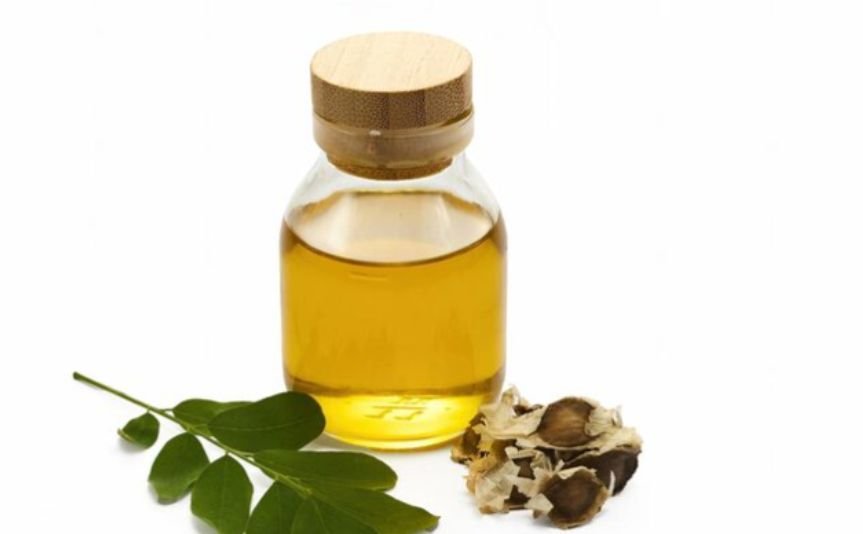
Moringa seed oil offers natural support for your heart, immunity, skin, hair, and overall well-being.
Knowing its benefits helps you use it safely in cooking, skincare, and daily routines.
Heart Health Support
This oil is rich in oleic acid, a fatty acid that supports healthy cholesterol levels.
By helping lower bad cholesterol and supporting good cholesterol, it promotes smooth blood flow and reduces strain on the heart.
Including it in your diet can support cardiovascular function naturally.
Whether drizzled over salads, used in cooking, or taken in small amounts daily, it provides nutrients that help maintain your heart’s health and contribute to long-term wellbeing.
Immune System Boost
Vitamins A, C, and E in this oil act as antioxidants, protecting your body from oxidative stress and inflammation. More on moringa seed oil and the immune system.
These nutrients support your immune system, helping you recover faster from illness and maintain daily health.
Regular use can assist in neutralizing free radicals and strengthening your body’s natural defenses.
You can include it in meals or topical routines to support overall wellness, helping you feel more resilient and energized as your body fights off everyday stressors and environmental challenges.
Skin Nourishment and Anti-Aging
Applying moringa seed oil to your skin can improve moisture retention, elasticity, and overall texture.
Its natural fatty acids and antioxidants help reduce the appearance of fine lines while maintaining softness and smoothness.
Using it regularly on your face or body promotes a healthy, glowing complexion.
Moringa oil absorbs quickly, leaving skin hydrated without feeling heavy.
Over time, your skin can feel firmer and more resilient, benefiting from natural compounds that soothe, nourish, and protect it from daily environmental stress.
Hair and Scalp Care
This oil penetrates hair follicles, delivering nutrients directly to the roots while strengthening strands.
It calms dryness, irritation, and flakiness on your scalp, promoting healthier hair growth.
Adding it to shampoos, conditioners, or as a pre-shampoo treatment can enhance shine, manageability, and softness.
Whether your hair is dry, brittle, or prone to frizz, regular use can restore vitality.
Its lightweight texture ensures hair looks natural, healthy, and vibrant without heaviness, making it a natural solution for maintaining strong and nourished hair.
Anti-Inflammatory Benefits
Moringa seed oil contains compounds that can reduce inflammation in the body.
Using it topically or consuming small amounts may help ease minor joint discomfort, skin irritation, and swelling.
Its gentle anti-inflammatory effects support recovery from daily stressors and minor injuries.
Incorporating it into your routine can offer a calming effect on both your skin and internal health, helping your body feel more comfortable and balanced while protecting cells from oxidative damage and irritation.
Digestive Health Aid
Some nutrients in this oil may support digestion and nutrient absorption.
They help your body break down food more efficiently and maintain a healthy gut environment.
Including the oil in meals can contribute to digestive comfort, preventing bloating and minor stomach discomfort.
Regular use may assist your digestive system while also supporting overall nutrient uptake, making it a natural addition to your diet for gut health and general wellbeing.
Culinary Uses of Moringa Oil
Moringa seed oil adds flavor and nutrients to your meals while cooking safely at high temperatures.
Its mild nutty taste blends well with many dishes, making it a practical choice in your kitchen.
High Heat Cooking
This oil has a high smoke point of around 400 to 420 degrees Fahrenheit, making it ideal for frying, baking, or sautéing.
Unlike some oils that break down and produce harmful compounds at high heat, it remains stable and safe.
You can cook your favorite dishes while keeping nutrients intact.
Its heat tolerance allows you to prepare a variety of meals, from stir-fried vegetables to roasted proteins, without worrying about damaging the oil or compromising flavor.
Light Nutty Flavor
Moringa seed oil has a gentle, slightly nutty taste that complements ingredients without overpowering them.
You can use it in dressings, dips, or marinades to bring out the natural flavors of your meals.
Its subtle aroma enhances dishes and pairs well with fresh herbs, spices, and citrus.
Drizzling it over cooked vegetables, mixing it into sauces, or adding a few drops to grains can boost taste and provide additional nutrients, giving your cooking a light, savory richness that is both flavorful and nourishing.
Salad Dressings and Cold Dishes
The oil works beautifully in cold dishes like salads and chilled preparations.
Drizzle it over leafy greens, fruits, or roasted vegetables for a refreshing flavor.
Its mild taste blends naturally with herbs, vinaigrettes, and citrus-based dressings.
Using it in cold dishes allows the nutrients to remain intact, supporting your health while adding a soft, nutty note.
You can also mix it into dips or sauces, creating a smooth texture and enhancing both flavor and nutritional value for meals that are light, healthy, and delicious.
Sautéing Vegetables and Proteins
Moringa oil is ideal for sautéing vegetables or lightly cooking proteins like fish, chicken, or tofu.
Its heat stability allows for even cooking without burning, while its flavor enhances the natural taste of ingredients.
You can use it daily to create nutritious, tasty meals with minimal effort.
Whether you are cooking a quick stir-fry, preparing roasted vegetables, or lightly searing proteins, this oil provides consistent performance, adds essential fatty acids, and enriches your meals with subtle flavor and nutrients.
Baking and Roasting
This oil can also be used in baking or roasting to add moisture and a mild nutty flavor.
It works well in cakes, bread, muffins, and roasted vegetables without altering the texture or aroma of your dishes.
Including it in recipes adds nutritional value while supporting heart health and providing antioxidants.
Using moringa seed oil in baked goods or roasted meals allows you to create nourishing, flavorful dishes that maintain their original texture and taste, giving your cooking both health benefits and a delicious, subtle depth of flavor.
Cosmetic and Industrial Uses of Moringa Oil
Moringa oil can transform your skincare, haircare, and industrial projects.
Its natural nutrients, antioxidants, and light texture make it a practical choice for personal care and sustainable practices alike.
Skincare Applications
You can use the oil to hydrate and protect your skin naturally. Its light texture absorbs quickly without leaving a greasy feeling, making it suitable for all skin types.
It helps balance oil production, which is especially useful for oily or acne-prone skin, while supporting dry and sensitive areas.
Incorporating it into creams, serums, or facial oils provides deep moisture and can improve elasticity and overall texture.
Before long, it may help reduce dryness, flakiness, and signs of early aging, leaving your skin soft, healthy, and revitalized every day. More on moringa oil for skin and facial use.
Haircare Benefits
Moringa oil nourishes hair from the roots to the tips, strengthening strands and improving scalp health.
You can add it to shampoos, conditioners, or use it as a pre-shampoo treatment to reduce frizz and breakage.
Its fatty acids penetrate the hair shaft, delivering essential nutrients directly to hair follicles.
Regular use can improve shine, softness, and manageability.
Applying moringa oil to your scalp helps soothe dryness, irritation, and dandruff while supporting healthy hair growth.
Its lightweight nature ensures hair feels nourished without becoming heavy, making it a natural solution for stronger, healthier, and more vibrant locks.
Soap Making and Natural Cosmetics
Oil from moringa is widely used in soap and cosmetic formulations for its moisturizing and nourishing properties.
It creates a creamy, luxurious lather in soaps, while lotions and creams infused with moringa oil leave skin feeling soft and protected.
Cosmetic brands value it for its ability to improve texture and deliver nutrients to the skin.
You can use it in DIY skincare recipes to make gentle cleansers, face oils, and body lotions.
Its natural antioxidants help maintain skin health and prevent dryness, making it a valuable ingredient for anyone looking to create effective, gentle, and nourishing skincare products at home or professionally.
Industrial and Sustainable Uses
Beyond personal care, this seed oil is emerging as a resource in sustainable industries.
It can be used as a renewable ingredient in biofuels, natural lubricants, and eco-friendly products.
Its stability and nutrient content make it a promising alternative to synthetic oils, reducing environmental impact.
Manufacturers and small-scale producers can incorporate it into green solutions, supporting environmentally conscious practices.
Additionally, moringa oil can be used in natural paints, balms, and industrial cleaning products.
By including moringa oil in industrial applications, you contribute to sustainability while benefiting from a versatile, plant-based resource that combines practicality, efficiency, and eco-friendly innovation.
Multi-Purpose Applications
Moringa seed oil has uses across skincare, haircare, soap making, and sustainable industrial projects.
Its natural nutrients, antioxidants, and light texture make it suitable for daily personal care as well as eco-conscious solutions.
You can add it to creams, conditioners, or DIY cosmetics, while industries can use it as a renewable ingredient in biofuels or green manufacturing.
Its moisturizing, nourishing, and protective qualities support healthy skin and hair, while its sustainable potential contributes to environmentally friendly practices.
By integrating moringa oil into your routine or products, you experience a natural, practical, and versatile option for wellness and eco-conscious living.
Extraction Methods of Moringa Oil
How moringa oil is extracted affects its taste, nutrient content, and overall quality.
Knowing the methods helps you choose oils that benefit your health, skin, hair, and cooking.
Cold Pressing Method
Cold pressing involves mechanically pressing moringa seeds without heat.
This gentle approach preserves vitamins, minerals, and fatty acids, keeping the oil rich in nutrients.
The natural aroma and mild flavor remain intact, which makes it ideal for culinary, cosmetic, and haircare uses.
Cold-pressed oil also retains antioxidants, which support your body and skin.
Choosing cold-pressed moringa oil ensures you get a pure product with maximum benefits, whether you are cooking, moisturizing your skin, or adding it to hair treatments.
Solvent Extraction Method
Solvent extraction uses chemical agents to pull oil from the seeds.
While it produces a larger quantity, this method can reduce nutrient levels and alter flavor.
Chemical residues may remain in the oil, which is not ideal for cooking or skincare.
Solvent-extracted moringa oil may still be useful for industrial purposes, but for your personal use, it is better to select oils free from chemicals.
Knowing the difference helps you make informed decisions and ensures that you get safe, nutrient-rich oil for your meals, skin, and hair.
Choosing the Right Oil
When selecting oil derived from moringa, look for products labeled cold pressed, organic, and free from additives.
These options give you the highest nutrient retention and the most natural flavor.
The method of extraction directly affects quality, so choosing carefully ensures the oil works effectively in your diet, skincare, or haircare routine.
Being aware of the extraction method helps you avoid low-quality products and enjoy the full benefits of the seed oil.
How to Store Moringa Oil
Proper storage is key to keeping moringa seed oil fresh, potent, and safe for use.
Storing it correctly helps you preserve its nutrients, flavor, and effectiveness for skin, hair, and cooking.
Keep It Cool and Dark
To protect your Behen oil, choose a location away from heat and sunlight.
A pantry, cupboard, or shelf out of direct light works best.
Exposure to warmth and light can cause oxidation, which may make the oil go rancid and reduce its benefits.
Keeping it in a cool, dark spot ensures that the oil stays fresh longer and maintains its natural aroma and nutritional value.
Use the Right Container
The container matters as much as the storage place. Opaque or dark-colored bottles block light and prevent oxidation.
Glass containers are preferred because they do not react with the oil, whereas some plastics may affect the quality.
Make sure the container is airtight to avoid exposure to air, which can degrade the oil.
Be careful to use clean utensils when pouring or measuring to avoid introducing moisture or impurities that shorten its shelf life.
Monitor Shelf Life
When stored properly, moringa seed oil can last about twelve to eighteen months.
Still, you should check the oil for changes in smell, color, or texture.
A crayon or paint-like odor indicates rancidity, and the oil should not be used.
Opening containers only when needed and avoiding prolonged exposure to air helps maintain quality and keeps the oil effective for skin, hair, and culinary use.
Refrigeration for Longevity
In warmer climates, storing Behen oil in the refrigerator can help extend its freshness.
The cooler environment slows oxidation and preserves nutrients, aroma, and flavor.
By following these storage tips, you ensure that your oil retains its beneficial properties and continues to support your wellness routine for months to come.
Precautions and Side Effects of Moringa Oil
Even natural oils like moringa seed oil can have effects if not used carefully.
Knowing the right amounts and how to apply it ensures you enjoy its benefits safely for cooking, skincare, and haircare.
Consumption Limits
Using oil from moringa seed in your meals can support your health, but moderation is important.
Experts suggest one to two tablespoons per day to avoid stomach discomfort, including nausea or diarrhea.
Pregnant or nursing individuals and those with medical conditions should consult a healthcare professional before adding the oil to their diet.
Following these limits helps you gain benefits without risking digestive upset or other complications.
Topical Safety
Applying moringa seed oil to your skin can provide hydration and nourishment.
If you have sensitive skin, try a patch test first by placing a small amount on a discreet area and watching for redness, itching, or swelling.
If irritation occurs, stop using it immediately. Doing this simple test helps prevent allergic reactions while allowing you to enjoy the oil safely on your face, body, or hair.
Medication Interactions
Moringa oil may interact with certain medications, including those for blood sugar, blood pressure, and anticoagulants.
Its natural compounds can amplify the effects of these drugs, which could cause complications.
If you are taking any prescription medications, speak with a healthcare provider before using moringa seed oil to ensure it is safe for you.
General Guidelines
Start with small amounts, whether consuming or applying the oil, and increase gradually if well tolerated.
Always use clean utensils when handling it and store it properly to maintain quality.
Being aware of these precautions allows you to safely include moringa oil in your daily routine for skin, hair, or diet without adverse effects.
Conclusion
Moringa seed oil supports your health, beauty, and cooking needs naturally.
It nourishes your skin, strengthens hair, and provides antioxidants and essential fatty acids that support overall wellness.
Using it in your diet or as part of your beauty routine helps maintain hydration, elasticity, and vitality.
Its mild nutty flavor works in a variety of dishes, while its anti-inflammatory and antioxidant properties support internal health.
By storing it correctly, observing safe usage, and choosing quality cold-pressed products, you can enjoy its benefits safely.
Integrating this oil into daily life provides a simple, natural way to support your body, enhance self-care routines, and enjoy flavorful, nutrient-rich meals.
Frequently Asked Questions
What is Moringa Oil?
Moringa oil, also called moringa seed oil, Ben oil, or Behen oil, comes from Moringa oleifera seeds. It supports skin, hair, and overall wellness while adding nutrients to your diet.
How do I use it on my skin?
Apply a few drops to clean skin daily. Gently massage to hydrate, improve elasticity, and reduce dryness for a smoother, softer, and nourished complexion.
Can I cook with moringa oil?
Yes. Its high smoke point makes it safe for frying, sautéing, baking, and roasting, while retaining nutrients and adding a subtle nutty flavor to dishes.
Are there any side effects?
Using it in moderation is safe. Excessive consumption may cause nausea or diarrhea, and sensitive skin should be patch-tested before widespread application.
How should I store it?
Keep it in a cool, dark place, preferably in an airtight glass container. Refrigeration can extend freshness, especially in warm climates.
References