
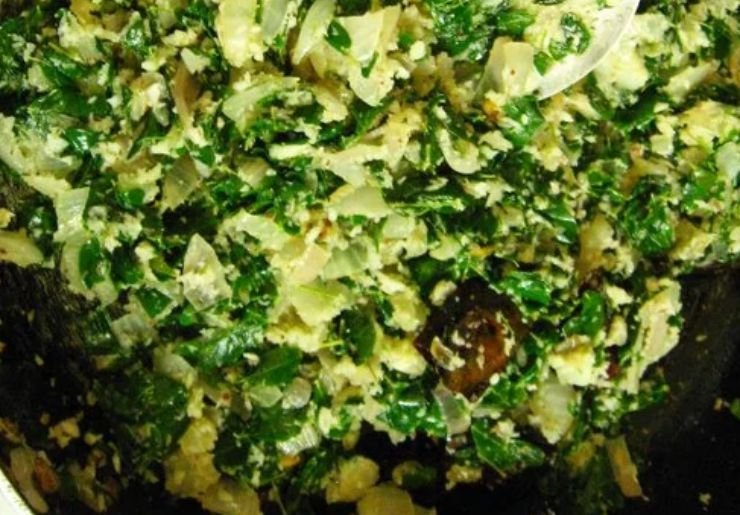
Learn how to use moringa leaves in your meals, teas, and smoothies that fit easily into your routine and support consistent nutrition.
Moringa leaves are packed with nutrients that support daily wellness, making them a smart addition to your routine.
Instead of focusing on what they contain, attention shifts to how to use them so they fit into real life.
Simple methods like adding leaves to meals, drinks, and light recipes help you use them safely without stress.
Your kitchen already offers many options, from soups and stews to teas and smoothies, where moringa leaves blend in easily.
Using moringa leaves the right way helps maintain flavor, digestion, and consistency.
Practical preparation matters, from washing and storage to portion control.
With clear, everyday approaches, moringa leaves become easy to use, enjoyable to prepare, and simple to keep part of your regular diet.
If you are new to moringa and want to grab the general idea of the plant and its wonders, check out our introduction to moringa.
Practical Kitchen Knowledge Is Different From Nutritional Knowledge — and This Guide Needs Both
Knowing what moringa leaves contain is one thing. Knowing how they behave when overcooked, what flavor combinations work, how fresh differs from dried in a real dish, and what preparation mistakes to avoid — that’s a different kind of knowledge.
It’s the kind that comes from long, hands-on use of the plant in everyday cooking, which is exactly what informs the practical guidance throughout this article.
Table of Contents
Fresh vs Dried Moringa Leaves: Which Should You Use?
Choosing between fresh and dried moringa leaves depends on your routine, storage space, and how you plan to use them.
Each form offers benefits that suit different meals, preparation methods, and daily habits.
When Fresh Leaves Work Best
Fresh moringa leaves fit well when cooking at home and using them quickly.
Adding them to soups, stews, and sautéed dishes keeps texture and color intact.
Mild flavor blends easily with vegetables and proteins, making meals feel balanced.
Fresh leaves work best when refrigeration is available, and meals are prepared within a few days, helping maintain quality without long storage.
Situations Where Dried Leaves Are More Convenient
Dried moringa leaves suit busy schedules and limited access to fresh produce.
They store well, travel easily, and work for teas, powders, and seasoning blends.
Crushing dried leaves into soups or drinks saves prep time while offering steady nutrition.
This form fits meal planning, batch cooking, and consistent use without worrying about spoilage or frequent shopping.
Flavor, Potency, and Shelf-Life Differences
Fresh leaves offer a lighter taste and softer texture, while dried leaves deliver a more concentrated flavor.
Drying removes moisture, extending shelf-life and increasing potency per serving.
Fresh leaves need quick use and refrigeration, but dried leaves last months when stored properly.
Choosing based on taste preference and storage space helps maintain consistency in daily use.
Related Posts
Drying Techniques for Moringa Leaves
How to Control Blood Sugar with Moringa Leaves
The Importance of Antioxidants in Moringa Leaves
Health Importance of Moringa Leaves
Nutritional Information of Moringa Leaves
How to Use Fresh Moringa Leaves as Food
Fresh moringa leaves are commonly used in everyday cooking for soups, stews, sauces, stir-fries, steamed dishes, and drinks.
They blend well with vegetables, beans, grains, and proteins when added near the end of cooking, helping meals stay light and balanced.
Stir-frying with low heat, onions, or garlic preserves color and reduces bitterness, while steaming keeps texture soft without excess oil.
Blending fresh leaves into water or smoothies creates a drinkable form that can be paired with fruits like banana, mango, pineapple, or apple, along with coconut water or yogurt for better taste and texture.
A small handful per serving is enough to avoid overpowering flavor.
Short cooking time, about three to five minutes, helps retain nutrients, while additions like lemon, ginger, or dates improve taste and reduce earthy notes for more enjoyable daily use. More on moringa leaves recipes.
How to Use Dried Moringa Leaves
Dried moringa leaves offer a simple, shelf-stable way to enjoy their benefits.
Proper preparation helps you get the best flavor and consistency while fitting easily into your daily routine.
Making Moringa Leaf Tea
Making moringa leaf tea is straightforward and requires minimal tools.
Add one tablespoon of dried leaves to a cup of hot water, cover, and steep for five to seven minutes. Strain before drinking.
From experience, longer steeping creates a stronger taste, so adjust based on preference.
Grinding Dried Leaves into Powder
Dried leaves can be ground into powder using a blender, spice grinder, or mortar and pestle.
Grind until fine, then sift if needed. Store powder in an airtight container away from heat and light. Use half to one teaspoon per serving in smoothies, soups, or sauces.
Best Time to Drink Moringa Tea
Moringa tea works well in the morning or early afternoon. Drinking it earlier in the day supports steady energy without affecting sleep.
Taking it between meals can also improve comfort and digestion, helping you enjoy it as a daily habit.
Flavor Enhancements for Better Taste
Lemon, ginger, and honey pair well with moringa tea and soften its earthy notes.
A squeeze of lemon adds freshness, ginger brings warmth, and honey offers mild sweetness.
These additions improve flavor without overpowering the tea, making each cup easier to enjoy.
How to Use Moringa Leaves for Health Support
Moringa leaves fit naturally into daily routines, offering a simple way to boost nutrition and keep meals balanced.
Consistent use supports overall wellness and adds variety to your diet.
Daily Wellness Routines
Adding moringa leaves to meals, teas, or smoothies makes it easy for me to include nutrients in my everyday schedule.
Keeping a small batch of fresh or dried leaves on hand ensures I can sprinkle them into breakfast, lunch, or dinner without extra effort, helping me maintain a steady, nourishing habit.
Energy and Stamina Support
Including moringa leaves in your diet can complement active days, especially if you are a sports person or very active.
Smoothies, soups, or light stir-fries with moringa help you feel energized and ready for daily tasks, supporting stamina naturally through nutrient-rich meals rather than relying on heavy snacks or caffeine.
Immune and Digestion Support
Regularly using moringa leaves in soups, teas, or sauces can help keep meals balanced and easy to digest.
Light cooking or blending makes nutrients gentle on the stomach, while adding variety with leaves, fruits, and spices can keep your body feeling nourished and supported throughout the day.
How to Use Moringa Leaves for Skin and Hair
Moringa leaves provide simple, natural ways to support your skin and hair routines.
Regular use can fit easily into self-care habits, offering gentle nourishment without complicated steps.
Moringa Leaf Paste for Skin Care
Creating a paste from fresh or powdered moringa leaves allows you to use it for face masks or body applications.
Mix with water, yogurt, or honey to form a smooth texture. Apply to clean skin, leave for 10 to 15 minutes, then rinse.
Using these two to three times per week helps keep skin feeling refreshed and soft.
Moringa Leaves for Hair Treatments
Moringa leaves can be infused into oils or boiled for a rinse to support scalp and hair care.
Apply oil directly to the scalp or pour rinsed liquid over hair after shampooing.
Regular use nourishes hair strands, helps manage dryness, and maintains scalp health while keeping routines simple and natural.
How Much Moringa Leaves Should You Use Daily
Knowing how much moringa to include daily helps you get steady nutrition without overwhelming meals.
Proper portions make it easy to add leaves to your routine safely and consistently.
Fresh Leaf Serving Guidelines
Fresh moringa leaves work well in small amounts, typically one to two cups per day.
Adding leaves to soups, stews, salads, or smoothies spreads nutrients evenly across meals, keeping flavor balanced and helping your body adjust gradually.
Dried Leaves and Powder Equivalents
For dried leaves or powder, a tablespoon per day provides a similar nutrient boost to fresh leaves.
Grinding or sifting dried leaves helps them blend into drinks and dishes.
Start with smaller amounts if new to moringa and adjust based on taste and tolerance.
Who Should Start Slow
Anyone new to moringa or with a sensitive digestive system should introduce it gradually.
Begin with smaller portions in meals or smoothies, observe how your body responds, and increase slowly.
This approach helps prevent mild discomfort and ensures a smooth addition to your daily routine.
Best Time to Use Moringa Leaves
Timing your moringa intake can make it easier to enjoy and fit into your daily routine.
Choosing the right moment helps you get the most from meals and drinks while keeping habits consistent.
Morning vs Evening Use
Using moringa leaves in the morning can support steady energy and complement breakfast or smoothies.
Evening use works for light meals or teas, but large amounts may feel heavy before bed.
Matching timing to your daily rhythm helps you enjoy moringa without disrupting digestion or comfort.
With Meals or on an Empty Stomach
Adding moringa to meals helps blend flavors and improves tolerance for first-time users.
Some prefer it on an empty stomach in smoothies or teas for convenience.
Experimenting with both options shows what works best for digestion and daily energy.
Aligning Use with Personal Goals
Your moringa routine can support specific lifestyle goals, like staying energized, improving meal balance, or maintaining hydration.
Incorporating leaves at times that fit your schedule ensures consistency and makes it easier to keep moringa a regular part of your daily nutrition.
Common Mistakes to Avoid When Using Moringa Leaves
Moringa leaves are easy to include in meals, but simple mistakes can reduce their flavor, nutrients, or usability. Being mindful helps you get the most from every serving.
Overcooking
Cooking moringa leaves for too long can make them bitter and reduce nutrient content.
Adding leaves near the end of soups, stews, or stir-fries keeps texture and flavor intact.
Short, gentle cooking preserves their natural taste while letting nutrients remain available.
Using Excessive Amounts
Too much moringa at once can overwhelm dishes and cause mild digestive discomfort.
Sticking to recommended servings, about one to two cups fresh or a tablespoon of powder, keeps flavors balanced and ensures your body absorbs nutrients comfortably.
Poor Storage Practices
Leaving fresh leaves exposed or storing dried leaves improperly can lead to spoilage or loss of potency.
Keep fresh leaves in a sealed container in the fridge and store dried or powdered leaves in a cool, dark, airtight place for maximum shelf-life and flavor.
Who Should Be Careful When Using Moringa Leaves
Moringa leaves are generally safe, but some people may need to take extra care.
Paying attention to timing, portion, and preparation helps keep us comfortable and effective.
Pregnancy and Breastfeeding Considerations
Pregnant or breastfeeding individuals should focus on moderate portions and avoid roots or bark, which contain compounds best skipped during this time.
Fresh or powdered leaves in small amounts can be incorporated safely, but checking with a healthcare provider ensures both mother and baby stay supported. See moringa for pregnant women.
Medication Interactions
Moringa leaves may interact with certain medications, especially those for blood pressure, blood sugar, or thyroid support.
Keeping track of intake and discussing it with a healthcare professional helps prevent unintended effects while still enjoying moringa’s benefits.
Sensitivity and Digestion Issues
Some people experience mild digestive discomfort, including gas or bloating, when first introducing moringa.
Starting with small amounts in smoothies, soups, or teas allows your system to adjust, minimizing any discomfort while keeping nutrients accessible.
Conclusion
Learning how to use moringa leaves starts by adding them thoughtfully to meals, drinks, or self-care routines in ways that fit your daily schedule.
Moringa leaves offer a simple, practical way to boost nutrition, whether fresh or dried.
Incorporating them into smoothies, teas, soups, or hair and skin routines keeps use consistent, flavorful, and manageable.
Paying attention to portions, preparation, and timing ensures comfort and enjoyment while making leaves a natural part of everyday habits.
With simple, real-life approaches, moringa leaves become an easy, practical addition to your kitchen and wellness routine, supporting balanced meals, gentle nutrition, and daily self-care.
Frequently Asked Questions
How many fresh moringa leaves should I use daily?
One to two cups of fresh moringa leaves per day is enough. Spread across meals or smoothies for balanced flavor and gentle nutrition.
Can I use moringa leaves on an empty stomach?
Yes, fresh or powdered leaves can be added to smoothies or teas. Start small and observe how your body reacts before increasing servings.
How do I store fresh and dried moringa leaves?
Store fresh leaves in a sealed container in the fridge for a few days. Keep dried leaves or powder in a cool, dark, airtight container.
Can I add moringa leaves to smoothies without affecting the taste?
Combine fresh leaves with sweet fruits like bananas, mango, or pineapple. Adding lemon, ginger, or dates balances the earthy flavor and smooths the texture.
References
- 10 Ways to Include Moringa Leaves in Your Diet
- How can we use Moringa oleifera leaves, roots, and fruits?
- How to Cook Moringa Leaves: 7 Steps

Chims Clements writes about herbs from personal experience and careful research. Growing up in Aba, Nigeria, moringa and tamarind were everyday household plants long before they became globally recognised superfoods. He uses both regularly in his home today. At Six Herbs he goes deep on moringa, tamarind, fenugreek, and sea moss — building honest, experience-backed content that separates what tradition knows from what science confirms. The content on this site is for informational purposes only and is not medical advice. Always consult a healthcare provider before using herbs medicinally.