
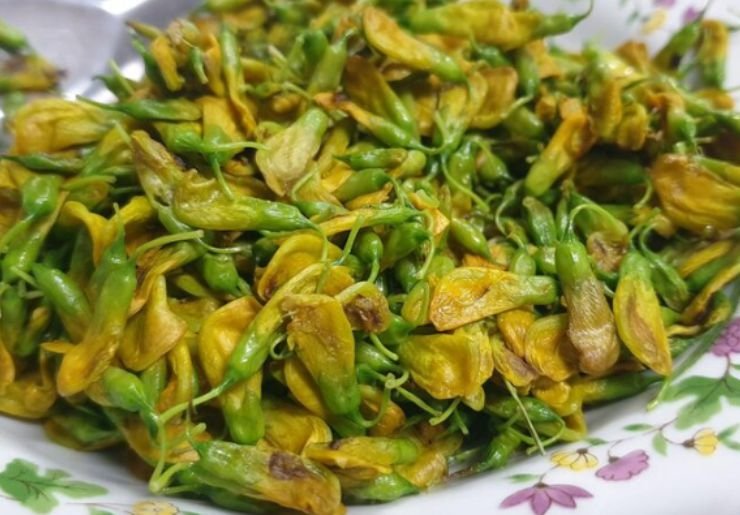
Moringa flower recipe transforms simple meals into nutritious delights, blending delicate petals with vibrant flavors, antioxidants, and plant-based wellness benefits.
Moringa flower recipes turn delicate petals into flavorful, nutrient-rich dishes that nourish the body while adding color and texture to meals.
These flowers carry a mild, slightly sweet taste that complements both savory and sweet creations.
From fresh salads and light stir-fries to soups, teas, and garnishes, the culinary possibilities are wide, allowing the flowers to fit seamlessly into daily cooking routines.
Beyond flavor, moringa flowers bring vitamins, minerals, and antioxidants that support digestion, immunity, and overall wellness.
Incorporating them into meals provides gentle nourishment while enhancing visual appeal.
Whether used in traditional recipes or modern twists, moringa flowers offer a simple, natural way to boost nutrition, making each dish both satisfying and beneficial for health-conscious cooks.
New to the moringa discussion? Start with the introduction of moringa.
Table of Contents
Understanding Moringa Flowers for Cooking
Moringa flowers from the moringa tree bring subtle sweetness, delicate texture, and vibrant color to everyday cooking.
Lightly sautéed with onions, garlic, or spices, they add a gentle flavor that pairs well with vegetables, grains, and proteins.
They work beautifully in soups, stews, stir-fries, fritters, and omelets, infusing dishes with natural nutrients while keeping meals light and flavorful.
Fresh or lightly cooked flowers retain vitamins and minerals, while dried or powdered forms can be stirred into sauces, bread, or savory snacks for consistent nutrition.
Tossed raw into salads, they offer both visual appeal and a mild taste that balances stronger ingredients.
Incorporating moringa flowers into meals is an easy way to enrich food with plant-based nutrients, transform ordinary recipes, and bring subtle elegance to daily cooking.
Preparing Moringa Flowers for Recipes
Proper preparation of moringa flowers ensures their delicate flavor, color, and nutrients shine in cooking, turning simple dishes into nutritious, visually appealing, and flavorful meals for daily enjoyment.
Selecting and Sourcing Fresh Flowers
Fresh flowers from organic or trusted suppliers reduce exposure to pesticides and contaminants.
Choosing vibrant, healthy flowers ensures maximum flavor, texture, and nutritional value for cooking, supporting both taste and wellness in every recipe.
Washing and Cleaning
Rinse the flowers gently under cool running water to remove dirt or dust. Avoid prolonged soaking to prevent nutrient loss.
Pat lightly with a clean towel to remove excess water without crushing the petals.
Inspecting and Trimming
Check for wilted or discolored petals and remove them. Trim thick stems while keeping delicate petals intact.
This step preserves texture and ensures the flowers integrate smoothly into dishes.
Cooking Techniques for Maximum Flavor
Light cooking methods like steaming or quick sautéing retain nutrients and color.
A few minutes of steaming preserves vitamins, while a gentle sauté with olive oil, garlic, or spices enhances aroma and taste for soups, stir-fries, or side dishes.
Related Posts
Moringa Flower Tea: Benefits and Warnings
Moringa Flower Powder: Uses and More
Moringa Flower Recipes for Everyday Meals
Moringa flowers can transform everyday meals into flavorful, nutrient-rich dishes.
Their subtle earthy taste and gentle aroma work beautifully in soups, salads, and light sautés, adding texture and natural vitamins.
In soups and stews, folding in petals near the end preserves nutrients while enriching broths with antioxidants, complementing vegetables, beans, and lean proteins.
Fresh petals brighten salads with mild sweetness and peppery notes, pairing well with mixed greens, avocado, radishes, or cucumbers, while a light olive oil and lemon dressing enhances flavor and nutrient absorption.
Nuts like almonds or walnuts add crunch, and fruits such as pomegranate or citrus balance the slight bitterness, boosting fiber, healthy fats, and vitamins.
Quick sautéing in olive oil with garlic or ginger retains nutrients, offering an easy, aromatic way to serve alongside grains, rice, or pasta.
Moringa Flower Soups and Stews Recipe
Adding moringa flowers to soups and stews creates dishes that are both nutrient-rich and flavorful, bringing a delicate aroma, subtle peppery taste, and vibrant color.
Integrating these flowers into everyday broths or hearty meals not only elevates flavor but also infuses essential vitamins and minerals, making each bowl nourishing and visually appealing.
Here are some of the moringa flower recipes:
Simple Vegetable Moringa Flower Soup
Begin with a vegetable or light chicken broth, then sauté onions, garlic, carrots, celery, and bell peppers until tender.
Add the broth, simmering gently to allow flavors to meld.
Introduce moringa flowers during the last five minutes of cooking to preserve nutrients and delicate texture. Stir carefully so the petals distribute evenly.
This soup delivers vitamins A, C, and K, antioxidants, and a mild peppery flavor, making it a comforting, digestive-friendly dish suitable for daily wellness-focused meals.
Heartier Meat-Based Stews
For a richer option, sear meat such as chicken, beef, or lamb until browned, then add root vegetables, beans, and broth to create a hearty stew.
Let it simmer until the meat is tender, then add moringa flowers at the final stage.
This timing allows the petals to absorb the deep flavors while retaining their nutrients.
The result is a balanced dish that combines protein, fiber, and antioxidants, providing a wholesome, satisfying meal that supports gut health and boosts overall nutrition.
Flavor Enhancements and Herbs
Enhance the taste of moringa flower soups and stews with fresh or dried herbs like thyme, parsley, rosemary, or ginger.
These ingredients add layers of aroma and flavor while complementing the mild, earthy taste of the petals.
Light seasonings such as black pepper, turmeric, or a squeeze of lemon juice can further brighten the dish.
This careful combination ensures the natural qualities of moringa flowers shine through, delivering a dish that is both delicious and packed with nutritional benefits.
Moringa Flower Salads and Raw Preparations
Fresh moringa flowers bring a delicate, slightly sweet, and peppery flavor to salads and raw dishes, transforming ordinary meals into refreshing, nutrient-packed creations.
Leafy Green Moringa Salads
Toss moringa petals with baby spinach, arugula, or romaine lettuce for a crisp, refreshing base.
Add sliced cucumbers, cherry tomatoes, and shredded carrots for texture, while herbs like mint or cilantro bring aromatic freshness.
A simple dressing of olive oil, lemon juice, and a pinch of salt accentuates the natural floral notes of the petals.
This combination provides vitamins, minerals, and antioxidants, offering a light, wholesome salad that nourishes the body and delights the palate.
Grain-Based Moringa Salads
Combine cooked quinoa, brown rice, or bulgur with moringa petals to create a more filling salad suitable for lunch or light dinners.
Add roasted vegetables, bell peppers, and chickpeas for protein, fiber, and extra color.
A zesty dressing made of lemon juice, olive oil, and honey complements the floral taste while enhancing nutrient absorption.
This hearty yet refreshing option balances grains, greens, and petals, providing a complete meal that supports energy, digestion, and overall wellness.
Fruit, Nut, and Herb Pairings
Incorporate fruits like orange segments, pomegranate seeds, or sliced apples, along with nuts such as almonds or walnuts, for contrasting textures and subtle sweetness.
Fresh herbs like parsley or basil elevate flavor complexity while adding antioxidants.
Combining these elements with moringa petals ensures a visually striking salad that delivers fiber, healthy fats, vitamins, and minerals.
This approach allows for creativity in raw preparations, offering a vibrant, nutrient-rich dish that satisfies both taste and nutritional goals.
Moringa Flower Stir-Fries and Sautéed Dishes
Incorporating fresh moringa flowers into stir-fries and sautéed dishes adds vibrant color, delicate flavor, and valuable nutrients.
Quick-cooking techniques preserve the tenderness of the petals while allowing them to absorb surrounding flavors.
Quick Vegetable Stir-Fries with Moringa Flowers
Fresh moringa flowers blend well with bell peppers, carrots, snap peas, and baby corn in quick stir-fries.
Adding the petals during the final minutes of cooking preserves their texture and nutrients.
Lightly toss with garlic, ginger, and a splash of soy sauce or sesame oil to create a vibrant, nutrient-dense dish that balances flavor, color, and antioxidants.
Protein-Packed Moringa Sautéed Dishes
Pair moringa petals with lean proteins like chicken, shrimp, or tofu for a complete meal.
Sauté vegetables and protein first, then fold in the petals at the end to maintain their delicate structure.
Season with curry powder, chili flakes, or coconut milk for added depth, creating a satisfying, healthful dish rich in vitamins, minerals, and plant compounds.
Grain-Based Stir-Fries with Moringa Flowers
Incorporate cooked brown rice, quinoa, or soba noodles as a base for moringa flower stir-fries.
Combine with vegetables and proteins, then add the flowers during the last minutes of cooking.
Finish with toasted sesame seeds or crushed nuts for texture and a nutritional boost, creating a balanced meal that supports energy, digestion, and overall wellness.
Flavor Enhancements and Garnishes
Enhance stir-fries by adding fresh herbs like cilantro or basil, a squeeze of lime, or a drizzle of sesame oil.
Garnishing with toasted nuts, seeds, or thinly sliced green onions highlights the petals, amplifying both aroma and presentation.
These finishing touches turn everyday sautéed dishes into visually appealing, flavorful, and nutrient-rich meals perfect for lunch or dinner.
Tips for Cooking with Moringa Flowers
Cooking with moringa flowers brings subtle sweetness, delicate aroma, and nutrients to everyday meals.
Proper preparation, pairing, and preservation allow these flowers to shine, making dishes flavorful, visually appealing, and nourishing.
Flavor Pairings for Moringa Flowers
Moringa flowers pair beautifully with fresh herbs like mint, basil, or cilantro.
Light spices such as turmeric, cumin, and coriander complement their gentle sweetness while adding aroma, depth, and health benefits to a variety of meals.
Cooking Methods to Preserve Nutrients
Lightly steaming or quickly sautéing moringa flowers maintains their texture, color, and nutritional value.
Adding the flowers near the end of cooking prevents wilting while letting them absorb surrounding flavors naturally.
Choosing Oils and Fats
Mild oils such as olive, avocado, or sunflower enhance moringa flowers’ delicate taste.
These healthy fats improve nutrient absorption and enrich flavor without overpowering the natural aroma of the petals.
Storage and Preservation Tips
Store fresh moringa flowers in a cool spot for a few days to maintain flavor and nutrients.
Air-drying or grinding into powder extends shelf life for easy use in soups, sauces, or smoothies.
Enhancing Everyday Recipes
Adding moringa flowers to stir-fries, soups, or salads improves flavor, texture, and nutrition.
Thoughtful combinations and proper cooking timing help create meals rich in antioxidants, vitamins, and digestive support.
Conclusion
Moringa flower recipes transform everyday meals into nourishing and visually appealing dishes.
Incorporating these delicate petals into soups, salads, stir-fries, or sautés provides natural flavor, vitamins, minerals, and antioxidants.
Light cooking methods and thoughtful flavor pairings preserve nutrients while enhancing aroma and texture.
Using fresh, properly prepared flowers ensures each dish is both delicious and healthful.
From hearty stews to refreshing salads, moringa flowers seamlessly integrate into daily cooking routines, offering plant-based nourishment and subtle elegance.
Experimenting with grains, proteins, fruits, and herbs allows meals to be both satisfying and balanced, while dried or powdered forms provide convenient alternatives for consistent nutrition.
Regular inclusion of moringa flowers brings gentle wellness support, digestive benefits, and a naturally vibrant touch to meals, making them an accessible choice for home cooks and health-conscious food lovers alike.
Frequently Asked Questions
What are the best dishes for cooking with moringa flowers?
Moringa flowers work well in soups, stews, salads, stir-fries, and sautés, adding subtle sweetness, vitamins, and antioxidants to both light and hearty meals.
How should moringa flowers be prepared before cooking?
Gently rinse flowers under cool water, remove wilted petals, and trim stems. Fresh flowers can be lightly steamed or sautéed to preserve nutrients.
Can moringa flowers be used raw in recipes?
Yes, moringa flowers can be tossed into salads, grain bowls, or garnishes, offering mild peppery flavor, visual appeal, and plant-based nutrients.
How long can moringa flowers be stored for cooking?
Fresh flowers last a few days in a cool spot. Air-dried or powdered forms can be stored longer in airtight containers away from light and moisture.
References

Chims Clements writes about herbs from personal experience and careful research. Growing up in Aba, Nigeria, moringa and tamarind were everyday household plants long before they became globally recognised superfoods. He uses both regularly in his home today. At Six Herbs he goes deep on moringa, tamarind, fenugreek, and sea moss — building honest, experience-backed content that separates what tradition knows from what science confirms. The content on this site is for informational purposes only and is not medical advice. Always consult a healthcare provider before using herbs medicinally.