
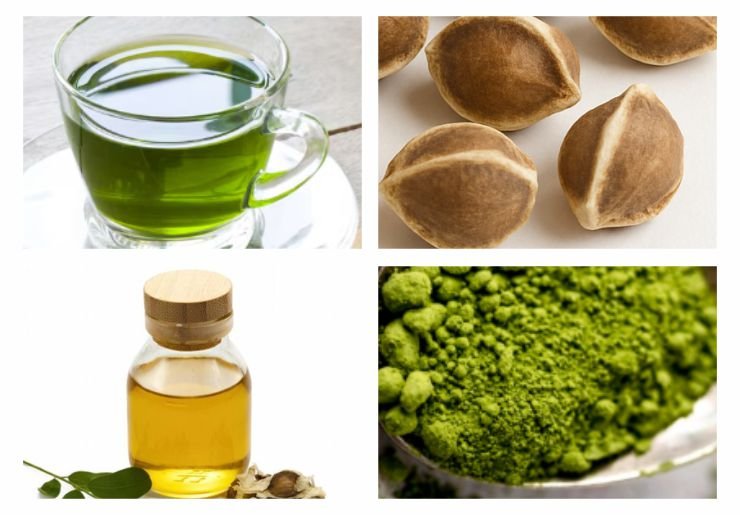
Learn how to use Moringa to boost nutrition, enhance wellness, and incorporate its leaves, seeds, oil, and pods into daily life.
Moringa is a multipurpose plant with multiple applications that make it easy to include in daily routines.
Its leaves can be used fresh in salads, sautéed like spinach, or dried and powdered to mix into smoothies, soups, or baked goods.
The pods, aka drumsticks, are used for steaming, boiling, or adding to curries and stews.
Moringa seeds can be used roasted, boiled, or ground into flour for cooking, while the flowers are edible and can be brewed into tea or tossed into dishes.
Even the roots and bark find use in traditional recipes, and Moringa oil, extracted from seeds, serves both culinary and cosmetic purposes.
Yes! Nothing is lost with moringa. Knowing these methods provides practical guidance on how to use Moringa effectively in everyday life.
The Plant Has Many Parts — and Knowing Them All Makes a Difference
Most moringa guides cover leaves and powder, then stop. This one goes further into seeds, bark, flowers, roots, oil, capsules, and pods because that’s the full picture of how moringa actually gets used.
Years of serious engagement with the plant across its different forms, not just as a kitchen ingredient but as a subject of sustained research, is what makes covering all of that possible with genuine confidence.
Table of Contents
How to Use Different Parts and Forms of Moringa
Moringa can be used in many practical ways, making it easy to include in daily meals, drinks, and personal care routines.
Different parts of the plant serve different purposes, allowing flexible use based on preference and availability.
Leaves are the most common, used fresh, dried, or powdered in soups, salads, teas, and smoothies.
Seeds can be eaten raw, roasted, sprouted, or pressed for oil, while roots and bark are prepared in small amounts as decoctions.
Powder offers convenience and blends easily into foods and baked goods.
Tea provides a simple, refreshing option using leaves, flowers, or pods.
Oil works well for cooking and skin care. Capsules offer measured intake when fresh forms are unavailable.
Let’s take them one after another:
Moringa Leaves
The leaves are the most popular way to use moringa.
You can incorporate moringa leaves into your meals fresh, dried, or powdered.
Fresh leaves work well in salads, soups, and stews; just wash, chop, and mix them with other ingredients.
Dried leaves can be steeped into teas or crushed into powder for smoothies, sauces, or seasoning.
Using the powder is simple: add a tablespoon to a drink or meal, stir, and consume.
Store fresh leaves in a sealed container in the fridge and use them within a few days.
Keep dried leaves or powder in a cool, dark place to maintain usability. See more on how to use moringa leaves here.
Moringa Seeds
Another way to use moringa is the seeds. Moringa seeds can be eaten raw, roasted, or sprouted.
Raw seeds preserve their natural enzymes, but roasting can improve the taste while keeping nutrients intact.
Sprouted seeds are crunchy and digestible, making them a great addition to salads, sandwiches, or grain bowls.
You can also crush the seeds to clarify water, a method used in traditional practices.
For culinary purposes, the seeds can be pressed to extract oil suitable for cooking or drizzling on dishes.
Handling seeds carefully and experimenting with preparation helps you enjoy their textures and incorporate them into meals conveniently.
Moringa Roots
The third way to use moringa is through the roots. Moringa roots can be prepared as a decoction by slicing or grinding them and simmering them in water for several minutes.
This liquid can be consumed directly or used in recipes that call for a mild, earthy flavor.
You can also dry the roots and grind them into powder for mixing into sauces, soups, or broths.
Since the roots contain compounds that require moderation, start with small amounts to assess tolerance.
Adding roots gradually allows you to enjoy their flavor safely.
By carefully preparing and using moringa roots, you can include them in your cooking or beverage routines effectively. More on how to use moringa roots here.
Moringa Powder
A very important method of using moringa is the powder. Moringa powder can be blended into smoothies, stirred into juices, added to soups, or mixed into sauces.
A tablespoon is usually sufficient to incorporate its nutrients without changing the taste significantly.
You can combine it with fruits like bananas, mangoes, or vegetables such as spinach for an easy meal addition.
Moringa powder also works in baked goods, stirred into pancake or muffin batter.
Its fine texture allows it to blend smoothly into liquids or foods.
Keeping the powder in a sealed container away from heat and light maintains freshness.
Using powder makes adding moringa to your routine quick and convenient. See a comprehensive guide on how to use moringa powder.
Moringa Tea
Moringa tea is a preferred way to use moringa for many. You can brew moringa tea using fresh or dried leaves, flowers, or pods.
Measure the portion you prefer, typically one cup of fresh leaves or a tablespoon of dried leaves.
Pour hot water over the plant material and steep for five to seven minutes.
You can adjust the time depending on how strong you want the flavor.
Strain the tea before drinking. To enhance taste, add lemon, honey, or mild spices like ginger or cinnamon.
Drink one to two cups daily as a refreshing beverage. Brewing moringa as tea allows you to integrate the plant easily without cooking. Here is more on how to use moringa tea.
Moringa Bark
The bark of the moringa is a rare method of using this tree. Moringa bark can be used to make tea or decoctions.
Start by chopping a small piece of dried bark, around five to ten grams, and simmer it in water for twenty to thirty minutes.
Strain the liquid and consume it warm or let it cool. Begin with one cup daily to observe your body’s response.
You can add honey or lemon for flavor. Store the bark in a dry, cool place to keep it usable for longer.
Preparing bark tea carefully ensures you can safely integrate it into your beverage routine and experiment with its natural taste.
Moringa Oil
Using moringa oil is popular. Moringa oil can be used in cooking, for example, in sautéing vegetables, frying proteins, or mixing into salad dressings.
It has a mild flavor that works well in various dishes. You can also apply it topically to your skin or hair.
Massage it into the scalp or skin to maintain moisture and support hydration.
Store the oil in a sealed container away from sunlight to preserve its quality.
Using it consistently in meals or personal care routines allows you to enjoy its practical applications without waste.
Moringa oil integrates easily into both kitchen and self-care routines. See more on how to use moringa seed oil.
Moringa Flowers
Fresh or dried moringa flowers can be added to soups, teas, or salads. Simply rinse and use them as a garnish or ingredient.
Steep them in hot water to make a gentle herbal tea, or toss them into a soup for mild flavor.
Flowers can also be included in baked goods or stir-fries, providing both texture and aesthetic appeal.
Store fresh flowers in the fridge and dried ones in a sealed container to extend usability.
Using flowers adds variety to your meals while letting you experiment with flavor and presentation in simple ways. More on how to use moringa flowers.
Moringa Pods
Yes! Moringa pods can be used in traditional and culinary ways.
Young moringa pods can be steamed, boiled, or added to stews and stir-fries like green beans.
Their subtle crunch blends well with vegetables or protein dishes.
Dried pods can be ground into powder and stirred into soups, teas, or smoothies.
Powdered pods are convenient for adding nutrients without cooking.
Store fresh pods in the fridge and dried pods in airtight containers.
Using moringa pods allows you to enjoy them both fresh and preserved, giving you flexible options to include them in meals, drinks, or snacks. More on moringa pods here.
Moringa Capsules or Supplements
Moringa capsules provide an easy way to include moringa when you cannot use fresh or powdered forms.
Take 1,000 to 3,000 milligrams daily, ideally with meals for better absorption.
Capsules complement but do not replace whole plant forms. Start gradually and monitor how your body responds.
Store them in a cool, dry place. Using capsules gives a convenient method to integrate moringa into your daily routine, especially for busy schedules or for those who want a precise intake without preparing the plant in meals or beverages.
Tips for Using Moringa Safely
Moringa can be a helpful addition to your diet, but using it carefully ensures safety and effectiveness.
Knowing the right dosages, preparation methods, and interactions helps you include moringa without risks.
Start With Leaves or Powder
You can begin with moringa leaves or powdered form. A teaspoon or two of dried leaves per day is usually safe.
Stir the powder into smoothies, teas, or meals to test tolerance.
This approach allows you to gradually incorporate moringa into your routine without overdoing it.
Follow Capsule Instructions
If you choose moringa capsules, follow the recommended dosage on the label. Taking too much at once can cause discomfort.
Swallow capsules with meals to reduce potential stomach upset and ensure better absorption.
Capsules offer convenience while letting you track daily intake accurately.
Limit Roots and Bark
Avoid consuming moringa roots or bark without guidance. These parts may contain compounds that could be harmful if misused.
Start with very small amounts only if a professional advises, and monitor your body’s reaction carefully to prevent adverse effects.
Use Seeds Sparingly
Moringa seeds can act as a natural laxative if taken in excess. Consume a few at a time and observe your tolerance.
You can also use them to extract oil or purify water, but avoid large doses to prevent gastrointestinal issues.
Check for Medication Interactions
If you take diabetes or blood pressure medication, consult your healthcare provider before using moringa.
It can amplify the effects of medications, potentially causing unsafe drops in sugar or blood pressure levels.
Monitoring your health during initial use is important.
Source Quality Products
Buy moringa from reputable suppliers who provide lab tests or certifications.
Look for products free of contaminants and produced with transparent sourcing.
Choosing high-quality leaves, powder, or capsules ensures you benefit from moringa safely and consistently.
Start Slowly and Observe
Introduce moringa gradually. Begin with small amounts, notice how your body reacts, and increase slowly if comfortable.
This approach helps prevent discomfort and allows you to integrate moringa into your daily meals and routines responsibly.
Conclusion
Moringa offers simple ways to boost nutrition and support daily wellness.
Incorporating leaves, pods, seeds, flowers, and oil into meals, beverages, or self-care routines adds flavor and nutrients naturally.
Starting with small amounts lets you see how your body responds while experimenting with cooking, smoothies, teas, or topical applications.
By integrating moringa thoughtfully, your meals and routines become more nutritious and enjoyable.
Try one method today, observe the effects, and gradually expand its use to fully benefit from this versatile plant in everyday life.
Frequently Asked Questions
How much moringa should I consume daily?
A safe starting point is one to two teaspoons of powder or a handful of leaves per day. Adjust gradually based on tolerance and preferences.
Can I cook with moringa pods without losing nutrients?
Steaming, boiling, or lightly sautéing young pods preserves most vitamins and minerals. Avoid overcooking to maintain texture, flavor, and nutritional value.
Is it safe to use moringa seeds regularly?
Consume seeds sparingly, as excess can act as a natural laxative. Small amounts or oil extraction for cooking and skincare is safer for daily use.
How should I store moringa products to keep them fresh?
Keep leaves, powder, and pods in sealed containers away from heat, light, and moisture. Capsules and oil should be stored in cool, dark spaces.
References

Chims Clements writes about herbs from personal experience and careful research. Growing up in Aba, Nigeria, moringa and tamarind were everyday household plants long before they became globally recognised superfoods. He uses both regularly in his home today. At Six Herbs he goes deep on moringa, tamarind, fenugreek, and sea moss — building honest, experience-backed content that separates what tradition knows from what science confirms. The content on this site is for informational purposes only and is not medical advice. Always consult a healthcare provider before using herbs medicinally.