
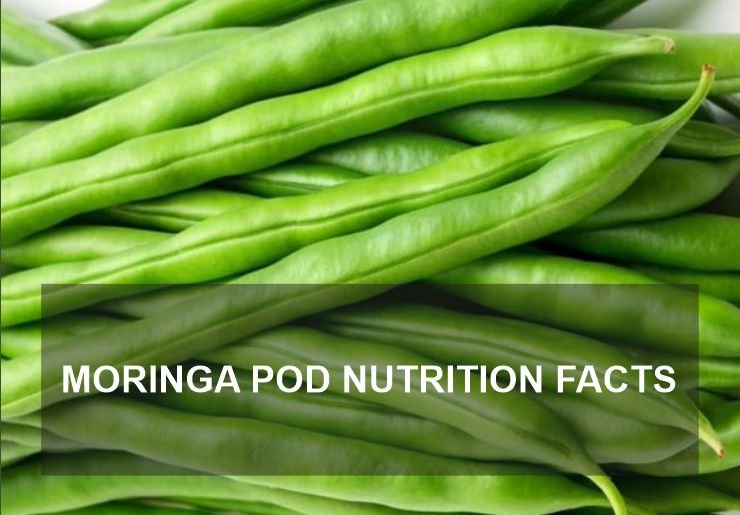
Moringa pods nutrition provides vitamin C, vitamin A, iron, calcium, and fiber, making them a rich source of essential nutrients.
Moringa pods nutrition offers a rich balance of protein, fiber, carbohydrates, and healthy fats, making them a valuable addition to your diet.
In 100 grams, they provide about 64 calories, 9 grams of protein, 4 grams of fiber, 7 grams of carbohydrates, and just over 1 gram of fat.
These pods are packed with vitamin C, vitamin A, and B vitamins, along with minerals like calcium, iron, and potassium, supporting bone health, blood circulation, and overall nutrient intake.
Whether fresh or dried, moringa pods deliver a well-rounded nutritional profile that stands out among plant-based foods.
Knowing these facts helps you make informed choices when including pods in meals or snacks.
New to moringa and its wonders? See our introductory post on moringa.
Table of Contents
Vitamins in Moringa Pods
Moringa pods contain a wide range of vitamins that support energy, immunity, skin health, and overall body function, making them a practical addition to meals for better daily nutrition.
Vitamin A for Vision and Immunity
Vitamin A in moringa pods supports eye health, cell growth, and immune response.
Including these pods in your meals helps maintain clear vision, healthy skin, and a stronger defense against common illnesses.
Vitamin C for Antioxidant Support
Vitamin C helps combat oxidative stress and supports collagen formation.
Your body benefits from improved immune function, firmer skin, and quicker recovery from minor tissue damage when moringa pods are part of your diet.
Vitamin E for Cell Protection
Vitamin E acts as an antioxidant, protecting cells from damage and supporting skin repair.
Regular intake through moringa pods can help maintain healthier skin and overall cellular well-being.
Vitamin K for Bones and Blood Health
Vitamin K supports proper blood clotting and bone strength. Meals that include moringa pods provide this vitamin naturally, helping maintain strong bones and stable blood health without supplements.
B-Complex Vitamins for Energy and Metabolism
B vitamins in moringa pods assist in energy production, red blood cell formation, and metabolism.
Adding these pods to your diet helps convert food into energy more efficiently, keeping energy levels steady throughout the day.
Related Posts
How to Make Moringa Pod Powder
Benefits of Moringa Pod Powder
Everything to Know about the Moringa Tree
Minerals in Moringa Pods
Moringa pods are packed with minerals that support bones, heart health, energy production, and immune function, making them an easy, natural way to strengthen your diet with essential nutrients.
Calcium for Strong Bones
Calcium in moringa pods helps maintain healthy bones and teeth, supports muscle function, and aids blood clotting.
Including these pods in meals contributes to bone strength, especially when dairy intake is limited.
Potassium for Heart and Muscle Function
Potassium helps regulate blood pressure, maintain proper heart rhythm, and support muscle contraction.
Adding moringa pods to your diet helps balance sodium effects and supports cardiovascular health naturally.
Magnesium for Energy and Nerves
Magnesium supports energy production, protein synthesis, nerve signaling, and muscle relaxation.
Eating moringa pods regularly supplies this mineral, helping your body stay balanced and function smoothly throughout the day.
Iron for Blood and Energy
Iron in moringa pods aids red blood cell formation and oxygen transport, supporting steady energy levels. Incorporating these pods can help prevent iron deficiency, especially for plant-based diets or low-iron meals.
Zinc for Immunity and Healing
Zinc contributes to immune function, wound repair, and DNA synthesis.
Including moringa pods in meals strengthens your mineral intake and supports the body’s natural repair and defense mechanisms.
Moringa Pod Fiber
Moringa pods provide both soluble and insoluble fiber, helping digestion, blood sugar control, and heart health, making them an easy way to boost fiber intake naturally.
Soluble Fiber for Blood Sugar Control
Soluble fiber in moringa pods forms a gel in the gut, slowing sugar absorption.
Meals with these pods can support stable blood sugar levels and may help reduce cholesterol for better heart health.
Insoluble Fiber for Digestive Health
Insoluble fiber adds bulk to stool, promoting regular bowel movements and preventing constipation. Including moringa pods in your diet keeps digestion smooth and reduces the risk of common digestive issues.
Dual Fiber Benefits
Moringa pods deliver both soluble and insoluble fiber, supporting healthy digestion, steady energy, and heart wellness.
Adding them to soups, stir-fries, or smoothies makes fiber intake simple and natural.
Phytochemicals and Antioxidants in Moringa Pods
Moringa pods are packed with phytochemicals and antioxidants that help protect cells, reduce inflammation, and support overall health, making them a smart addition to everyday meals.
Flavonoids for Inflammation Support
Flavonoids in moringa pods help calm inflammation in the body. Including these pods in meals supports heart health, joint comfort, and balanced inflammatory responses naturally.
Phenolic Compounds for Heart Health
Phenolic compounds contribute to healthier cholesterol levels and cardiovascular function.
Your diet benefits from improved circulation and heart support when moringa pods become a regular addition.
Antioxidants for Cellular Protection
Antioxidants in moringa pods neutralize harmful free radicals, protecting cells from oxidative stress.
Regular consumption supports immunity, energy levels, and overall physiological balance.
Synergy of Phytochemicals
Phytochemicals in moringa pods work together to enhance wellness.
Including them in soups, stews, or stir-fries provides a natural, food-based way to strengthen your body’s defenses.
Daily Use Benefits
Adding moringa pods to daily meals delivers antioxidants, flavonoids, and phenolics effortlessly.
Your meals gain protective compounds that support digestion, energy, and long-term cellular health.
Moringa Pods Nutrition Benefits for Specific Health Goals
Moringa pods provide nutrients that support heart function, bone strength, immunity, and blood sugar control, making them a practical addition to meals aimed at targeted health outcomes.
Heart Health Support
Potassium and fiber in moringa pods help regulate blood pressure and lower cholesterol.
Including these pods in meals supports a healthier cardiovascular system and reduces risk factors linked to heart disease.
Bone Strength and Density
Calcium and magnesium in moringa pods contribute to stronger bones.
These minerals support bone density and the activation of vitamin D, helping prevent osteoporosis and maintain skeletal health.
Immune System Boost
Vitamins A, C, and E, along with antioxidants, strengthen the immune system. Meals with moringa pods help the body defend against infections and maintain overall well-being.
Blood Sugar Management
Fiber and certain phytochemicals in moringa pods support digestion and help stabilize blood sugar levels.
Adding these pods to your diet aids insulin sensitivity and balanced glucose control.
Targeted Daily Nutrition
Regularly including moringa pods in soups, stir-fries, or stews aligns meals with specific health goals.
Your diet gains nutrients that actively support heart, bone, immune, and blood sugar health.
Conclusion
Moringa pods offer a powerful combination of vitamins, minerals, fiber, protein, and antioxidants that support heart health, bone strength, immunity, and blood sugar balance.
With just 64 calories per 100 grams, these pods provide 9 grams of protein, 4 grams of fiber, and essential nutrients like calcium, iron, potassium, and vitamin C.
Incorporating them into meals or snacks makes it easy to boost nutrition naturally.
Regular use can help maintain overall wellness, support targeted health goals, and add a nutrient-rich plant-based option to your daily diet.
Frequently Asked Questions
Can moringa pods be eaten raw or cooked?
Moringa pods can be eaten both raw and cooked. Cooking softens their texture and taste, while raw pods retain more vitamin C and antioxidants.
How many pods should one eat daily for nutrition benefits?
Consuming 3–5 medium moringa pods daily provides essential vitamins, minerals, and fiber, supporting digestion, immunity, and overall nutritional balance without overloading the system.
Do pods provide more nutrients than moringa leaves?
Moringa leaves are generally richer in protein, vitamins, and minerals. Pods offer fiber and certain antioxidants, complementing leaves but are not nutritionally superior overall.
Are there any side effects of consuming moringa pods?
Excessive consumption of moringa pods may cause digestive discomfort, including bloating or diarrhea. Moderation is key to safely enjoying their nutritional benefits.

Chims Clements writes about herbs from personal experience and careful research. Growing up in Aba, Nigeria, moringa and tamarind were everyday household plants long before they became globally recognised superfoods. He uses both regularly in his home today. At Six Herbs he goes deep on moringa, tamarind, fenugreek, and sea moss — building honest, experience-backed content that separates what tradition knows from what science confirms. The content on this site is for informational purposes only and is not medical advice. Always consult a healthcare provider before using herbs medicinally.