
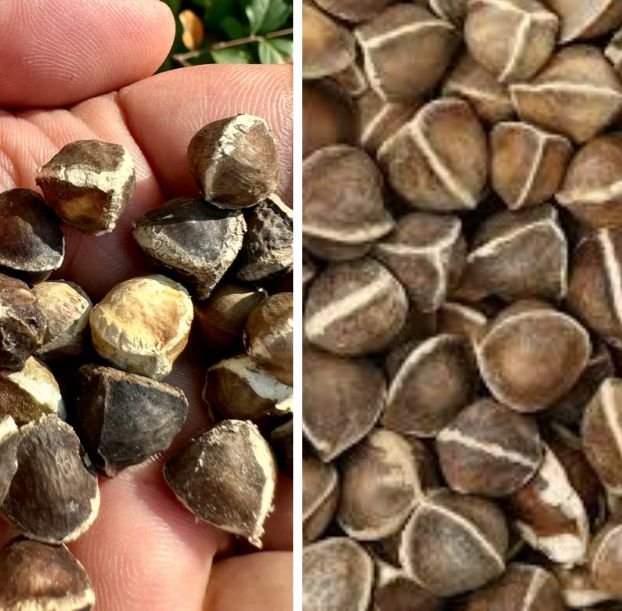
Moringa seeds nutritional facts reveal a rich source of protein, healthy fats, vitamins, minerals, and antioxidants for daily wellness.
Moringa seeds, from the moringa tree, are gaining attention for their dense nutrition and potential wellness benefits.
Packed with vitamins, minerals, protein, and antioxidants, they provide a natural way to support your daily diet.
You can enjoy them whole as a snack or grind them into powder for smoothies, soups, or salads, making them easy to include in meals.
Beyond nutrition, these seeds have properties that may support immune function and reduce inflammation, adding value to your wellness routine.
Understanding their nutritional makeup helps you make smarter dietary choices and see how they fit into a balanced lifestyle.
In the sections ahead, we’ll break down the key nutrients in moringa seeds and how they can benefit your health.
Table of Contents
Macronutrient Profile
Moringa seeds deliver a balanced mix of protein, healthy fats, and carbohydrates, giving you natural energy and supporting key body functions.
Their macronutrient content makes them a valuable addition to meals, snacks, and smoothies.
Protein Content
Moringa seeds contain 25 to 30 percent protein, supplying essential amino acids like lysine, threonine, and isoleucine.
These nutrients support muscle repair, hormone production, and cell maintenance.
They rival chia and hemp seeds, making them ideal for plant-based protein needs.
Healthy Fats
Rich in omega 3 and omega 6 fatty acids, moringa seeds help maintain heart health.
Omega 3 reduces inflammation, while omega 6 supports healthy cholesterol levels.
Including these seeds can help support circulation and overall cardiovascular wellness naturally.
Carbohydrates and Fiber
Moringa seeds provide carbohydrates with high dietary fiber, supporting digestion and gut health.
Fiber slows energy release, helping you stay full longer and maintain stable energy levels.
Regular inclusion can also support blood sugar balance and healthy eating habits.
Vitamins in Moringa Seeds
Moringa seeds contain a powerful mix of vitamins that support your body in many ways.
Vitamins A, C, and E are particularly abundant, each playing a unique role in promoting wellness, immunity, and cellular protection.
Vitamin A
Vitamin A in moringa seeds supports eye health, including night vision, while helping maintain skin and epithelial tissues.
It also contributes to immune function, helping your body fight infections and stay resilient against common illnesses naturally.
Vitamin C
Vitamin C acts as a strong antioxidant, protecting your cells from oxidative stress.
It boosts immune cell function, aids wound healing, and supports overall body defenses, making moringa seeds a natural way to strengthen immunity through daily nutrition.
Vitamin E
Vitamin E helps protect cells from damage and supports skin health and immune function.
Regular intake of moringa seeds can assist in maintaining healthy cell function and may help the body reduce risks associated with chronic conditions.
Mineral Composition
Moringa seeds contain a range of minerals that support your body in many ways.
From strong bones to healthy blood and proper muscle function, these minerals help you maintain daily wellness naturally.
Calcium
Calcium in moringa seeds helps build and maintain strong bones and teeth.
It also supports muscle movement, nerve signals, and blood clotting.
Including moringa seeds in your diet can provide a plant-based source of calcium, especially useful if you are reducing or avoiding dairy products.
Potassium
Potassium in moringa seeds helps balance fluids in your body, regulate blood pressure, and support healthy muscle and nerve function.
Eating these seeds regularly can help lower the risk of high blood pressure and support overall heart health.
Iron
Iron in moringa seeds supports red blood cell production and helps carry oxygen throughout your body.
If you feel fatigued or follow a plant-based diet, these seeds can help prevent iron deficiency and improve energy levels naturally.
Magnesium
Magnesium in moringa seeds supports over 300 body processes, including energy production, muscle function, and protein synthesis.
It also helps regulate blood sugar levels, making moringa seeds a valuable addition to meals for daily energy and overall wellness.
Zinc
Zinc contributes to immune health, wound healing, and cellular metabolism.
Adding moringa seeds to your diet helps maintain strong immunity and supports your body’s natural repair processes while providing key nutrients for daily health.
Antioxidants and Bioactive Compounds
Moringa seeds are packed with antioxidants and bioactive compounds that help protect your cells, support your body’s natural defenses, and promote overall wellness every day.
Including these seeds in your diet can make a real difference to your health.
Phenolic Compounds
Phenolic compounds in moringa seeds help neutralize free radicals that can damage your cells.
By reducing oxidative stress, these compounds support heart health, prevent cellular damage, and may lower the risk of chronic conditions like diabetes and certain diseases when you consume them regularly.
Flavonoids
Flavonoids in moringa seeds offer protective effects against oxidative stress while supporting your immune system.
They also provide anti-inflammatory benefits, helping reduce chronic inflammation that can affect your joints, heart, and overall energy levels, making daily health maintenance easier.
Skin Health
The antioxidants in moringa seeds can help protect your skin from damage and support elasticity.
Regular intake may contribute to healthier, smoother skin while limiting oxidative stress-related aging, helping you maintain a natural, vibrant appearance through nutrition.
Digestive Support
Moringa seeds’ bioactive compounds help soothe inflammation in your gut and support balanced digestion.
Adding them in your meals can help maintain a comfortable digestive system, improve nutrient absorption, and support overall gut wellness naturally.
Comparing Moringa Seeds with Other Parts of the Plant
Moringa provides a variety of nutrients across its different parts, each supporting your health in distinct ways.
By looking at seeds and leaves together, you can make better choices for a balanced, nutrient-rich diet.
Protein Differences
Moringa seeds contain higher protein levels than the leaves, making them a strong option for plant-based diets.
The protein supports muscle repair, energy, and overall body function.
Including seeds alongside leaves can help you meet daily protein needs naturally without relying on animal products.
Healthy Fats
Seeds are richer in healthy fats, including oleic acid, which supports heart and brain health.
Leaves contain some fat but are mainly known for fiber.
By adding seeds to your meals, you can increase healthy fat intake while still enjoying the benefits of leafy greens.
Vitamins and Minerals
Leaves are packed with vitamins like C and B complex and minerals such as iron and calcium.
Seeds provide complementary nutrients, including magnesium and zinc.
Combining both parts ensures you get a wider range of vitamins and minerals in your daily diet.
Fiber Content
Leaves are higher in fiber, helping digestion and promoting a feeling of fullness.
Seeds contain some fiber as well, supporting gut health and nutrient absorption.
Eating both can help maintain a balanced digestive system naturally.
Overall Nutritional Balance
Using seeds and leaves together allows you to draw on the strengths of each.
Seeds boost protein and healthy fats, while leaves provide fiber and vitamins.
Together, they create a well-rounded dietary option that supports energy, immunity, and overall wellness.
Conclusion
Moringa seeds are a nutrient-dense food that provides protein, healthy fats, vitamins, minerals, and antioxidants.
Regular inclusion in your diet can support energy, muscle repair, immunity, and heart health.
Combining seeds with moringa leaves maximizes nutritional benefits, offering fiber, vitamins, and minerals for a balanced diet.
Their antioxidants and bioactive compounds help reduce inflammation, support digestion, and protect cells.
By understanding moringa seeds’ nutritional facts, you can make informed choices to enhance overall wellness naturally.
Integrating them into smoothies, salads, or snacks provides an easy, plant-based way to strengthen your diet, support daily body functions, and maintain long-term health.
Frequently Asked Questions
What nutrients are most abundant in moringa seeds?
Moringa seeds are rich in protein, healthy fats, vitamins A, C, and E, minerals like calcium, potassium, magnesium, and antioxidants that support overall wellness.
How much protein do moringa seeds provide?
Moringa seeds contain 25 to 30 percent protein, supplying essential amino acids that support muscle repair, hormone production, and overall body function naturally.
Can moringa seeds support heart health?
Yes, their omega 3 and omega 6 fatty acids help reduce inflammation, maintain cholesterol levels, and support cardiovascular wellness when included in a balanced diet.
Are moringa seeds good for digestion?
Moringa seeds contain fiber and bioactive compounds that support gut health, improve nutrient absorption, and help maintain regular digestion for overall digestive wellness.

Chims Clements writes about herbs from personal experience and careful research. Growing up in Aba, Nigeria, moringa and tamarind were everyday household plants long before they became globally recognised superfoods. He uses both regularly in his home today. At Six Herbs he goes deep on moringa, tamarind, fenugreek, and sea moss — building honest, experience-backed content that separates what tradition knows from what science confirms. The content on this site is for informational purposes only and is not medical advice. Always consult a healthcare provider before using herbs medicinally.