
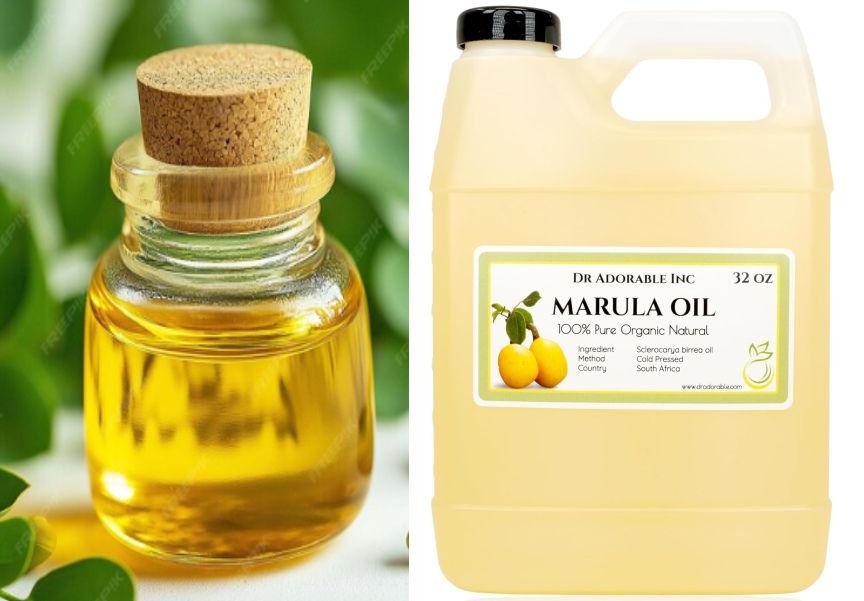
Moringa oil vs marula oil reveals surprising differences in hydration, anti-aging benefits, and skin and hair nourishment you might not expect.
Moringa oil and marula oil are two premium plant oils gaining attention in beauty, wellness, and personal care routines.
They have been featured in skincare serums, hair treatments, or natural health discussions, each praised for nourishment and performance.
Choosing between them can feel confusing when both promise smooth skin, healthy hair, and lasting moisture.
This introduction sets the stage by showing why these oils matter, how they fit into daily use, and what makes them appealing to different needs.
By the end, comparing moringa oil and marula oil will feel clearer, helping you decide which aligns better with your routine and goals.
Table of Contents
Nutritional and Chemical Composition
Moringa oil vs marula oil shows clear differences in fatty acids, antioxidants, and how each oil behaves on skin and hair.
Knowing what sits inside the bottle helps you choose wisely.
Fatty Acid Profiles
Moringa oil is rich in oleic acid, giving it a smooth, fast-absorbing feel that supports skin softness and hair strength. See a dedicated post on moringa oil nutrition.
Marula oil also contains oleic acid but adds more linoleic acid, which supports the skin barrier.
This balance helps your skin feel nourished without excess shine, especially in daily skincare routines.
Antioxidants and Vitamins
Moringa oil provides vitamin E, carotenoids, and plant antioxidants that help protect skin from environmental stress.
Marula oil delivers vitamin C, vitamin E, and polyphenols that support glow and elasticity.
Using either oil gives your skin antioxidant support, though marula is often favored for brightening and smooth texture.
Stability and Absorption
Moringa oil remains stable and resists oxidation, making it suitable for long-term use and light cooking.
Marula oil absorbs quickly, leaving little residue on skin or hair.
Your choice depends on preference, moringa for durability and nourishment, and marula for fast absorption and a clean finish.
Related Posts
Moringa Oil vs Coconut Oil for Skin, Hair, and Health
Moringa Oil vs Marula Oil: Benefits for Skin
Moringa oil vs marula oil brings two premium skincare options, each working differently on your skin.
Moringa Oil for Skin
Moringa oil feels lightweight and absorbs fast, making it easy to layer with serums or sunscreen.
Rich in antioxidants, it supports smoother-looking skin, helps soften fine lines, and fights free radicals.
This oil suits oily, combination, and sensitive skin, leaving comfort without shine or clogged pores. More on moringa oil for face and skin.
Marula Oil for Skin
Marula oil delivers deep hydration while improving skin elasticity and softness.
Its soothing properties help calm redness and irritation, making it ideal for dry or stressed skin.
The silky texture wraps skin in moisture, supporting a healthy glow without feeling sticky or heavy.
Choosing Based on Skin Type
Light, fast-absorbing oils like moringa work well for oily or acne-prone skin. Richer oils like marula suit dry, mature, or reactive skin.
Your skin’s response guides the best choice.
Benefits for Hair
Moringa oil vs marula oil offers different ways to care for your hair, from strength and shine to softness and frizz control.
Moringa Oil for Hair
Moringa oil strengthens hair strands and adds natural shine without weighing hair down.
Its light texture helps reduce breakage and dryness, making it a good match for fine, weak, or chemically treated hair that needs support without heaviness.
Marula Oil for Hair
Marula oil nourishes the scalp, softens hair, and smooths frizz caused by humidity or heat styling.
It also helps protect hair from environmental damage, making it ideal for thick, curly, or dry hair that needs extra moisture and control.
Choosing Based on Hair Type
Light oils like moringa suit fine or low-porosity hair, while richer oils like marula work best for coarse, curly, or frizz-prone hair. Your texture guides the choice.
Moringa and Marula Oils: Health Benefits Compared
Moringa oil vs marula oil supports wellness in different ways, with benefits linked more to topical care than daily consumption.
Moringa Oil for Health
Moringa oil provides antioxidant support and anti-inflammatory compounds that may support heart health when used in food or supplements.
Adding small amounts to meals can help manage oxidative stress while also supporting overall balance in your routine.
Marula Oil for Health
Marula oil is rich in antioxidants that help protect skin from oxidative stress and environmental exposure.
It may offer mild anti-inflammatory effects, though its benefits are mainly topical rather than dietary, supporting skin comfort and resilience.
Topical Use and Safety
Moringa oil can be used both topically and in cooking, while marula oil is best reserved for skin and hair care.
Limited oral use keeps marula oil safe and effective.
Potential Drawbacks
Moringa oil vs marula oil is generally well tolerated, yet small drawbacks can matter depending on your skin and budget.
Moringa Oil Considerations
Moringa oil is considered safe for most people, with allergic reactions reported only rarely.
Performing a simple patch test on your skin can confirm compatibility, especially if sensitivity or allergies are part of your skincare history.
Marula Oil Considerations
Marula oil is widely known for its gentle nature, with very few cases of sensitivity.
The main drawback is cost, as its premium sourcing can make it more expensive than other plant oils used in daily care.
Sensitive Skin Tips
Patch testing before full use reduces risk for sensitive skin. Choosing cold-pressed, pure oils without added fragrance helps prevent irritation and keeps results consistent.
How to Choose Between Moringa Oil and Marula Oil
Moringa oil vs marula oil can serve different needs in your beauty routine, so matching your choice to your skin type, hair goals, and budget makes using them easier and more effective.
Match Based on Skin Type
For oily or combination skin, lighter oils like moringa absorb quickly and help balance shine.
Dry or sensitive skin may benefit more from marula’s deep hydration and calming feel, making it easier to keep skin soft without buildup.
Hair Care Goals
Want shine and strength without weight? Moringa oil supports those goals.
If moisture and frizz control matter most, marula oil nourishes and smooths strands while helping protect hair from humidity and heat.
Price, Availability, and Preference
Marula oil often costs more and may be harder to find, while moringa oil is widely available at various price points.
Your budget and how much you enjoy the texture and scent of each oil can guide your final choice.
Conclusion
Moringa oil vs marula oil offers different strengths for skin, hair, and wellness.
Moringa absorbs quickly, fights free radicals, and strengthens strands, while marula deeply hydrates, improves elasticity, and smooths frizz.
Choosing between them depends on your skin type, hair goals, and daily routine.
Both oils provide antioxidants and protective benefits, but textures, absorption, and cost vary.
Testing small amounts helps find what works best.
By matching the oil to your needs, lightweight nourishment or rich hydration, you can confidently add either oil to your routine, ensuring healthy, glowing skin and resilient, soft hair every day.
Frequently Asked Questions
What is the main difference between moringa oil and marula oil?
Moringa oil absorbs quickly, supports strength, and fights free radicals. Marula oil deeply hydrates, improves elasticity, reduces frizz, and offers soothing effects for dry or sensitive skin.
Which oil is best for sensitive or oily skin among moringa and marula oils?
Light, fast-absorbing moringa oil suits oily and sensitive skin, while marula oil works best for dry, reactive, or mature skin needing deep hydration and calming effects.
Can moringa or marual oil be used for hair care?
Moringa oil strengthens hair and adds shine without weight. Marula oil nourishes, reduces frizz, and protects against environmental damage, ideal for coarse or dry hair types.
How do I decide which oil to buy between moringa and marula?
Consider skin and hair type, absorption, texture, and price. Moringa is widely available and lighter; marula is premium, richer, and suited for deeper hydration and softening needs.