
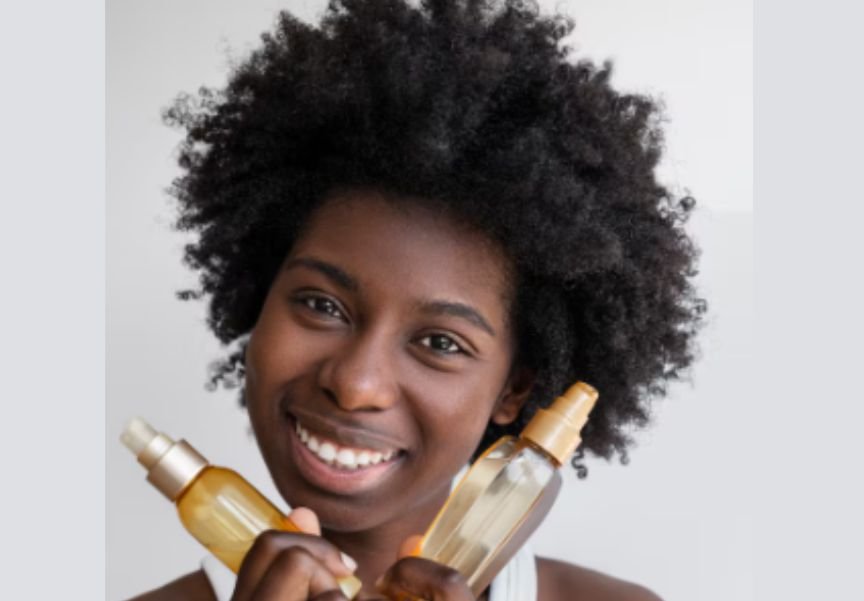
Learn how to use moringa oil for hair growth, shine, scalp health, breakage control, and daily care tips that work naturally.
Moringa oil has become a trusted choice in hair care because it feeds your scalp and strands without buildup.
As a man who loves my hair full and healthy, I used many hair creams with loud claims, but most ended up as dry wax on my hair.
When I started using moringa oil, it not only restored the shine, but it also went all the way into the scalp and rejuvenated growth.
Extracted from moringa seeds, this natural oil is rich in fatty acids, antioxidants, and vitamins that support hair growth, moisture retention, and scalp balance.
Regular use helps reduce dryness, breakage, dandruff, and frizz while adding soft shine.
If thinning hair, brittle ends, or an itchy scalp affect your routine, moringa oil offers a simple solution that fits daily care, protective styles, and natural hair maintenance.
Table of Contents
An Overview of Moringa Oil
Moringa oil is a plant-based oil pressed from moringa seeds. It contains oleic acid, antioxidants, and vitamins that support hair, skin, and scalp care.
The oil absorbs well, resists rancidity, and suits daily routines.
In grooming and wellness, moringa oil is valued for moisture support, barrier protection, and simple, multipurpose use.
Nutritional Profile of Moringa Oil That Makes it Suitable for Hair
Moringa oil for hair contains nutrients that directly support hair health, growth, and scalp balance.
Knowing its vitamins, fatty acids, and minerals helps you see why it fits naturally into your hair care routine.
Vitamins A and E
These vitamins nourish your scalp and hair follicles, helping reduce dryness and breakage.
Vitamin A supports natural oil production, keeping hair hydrated, while vitamin E protects strands from environmental stress and adds softness and shine.
Regular use can leave hair more resilient, smooth, and easier to manage.
Oleic Acid Content
High levels of oleic acid in moringa oil help penetrate the hair shaft, locking in moisture and preventing brittleness.
It smooths cuticles, reduces frizz, and supports flexible, strong strands.
Applying it to your scalp and ends can improve overall hair texture and maintain hydration without feeling greasy.
Antioxidants and Minerals
Antioxidants and minerals in moringa oil help protect your scalp from damage and support healthy growth.
Zinc, calcium, and iron contribute to stronger follicles, while natural antioxidants fight free radicals that can weaken hair.
Including moringa oil in your routine helps maintain hair that looks lively, nourished, and balanced. See moringa seed oil nutritional facts.
Recommended Posts
How to Use Moringa Oil for Stretch Marks
How to Shop Original Moringa Oil
How to Relieve Eczema with Moringa Oil
How to Use Moringa Oil for Skin and Face Care
Health Benefits of Moringa Oil
Moringa Oil Fatty Acid Profile
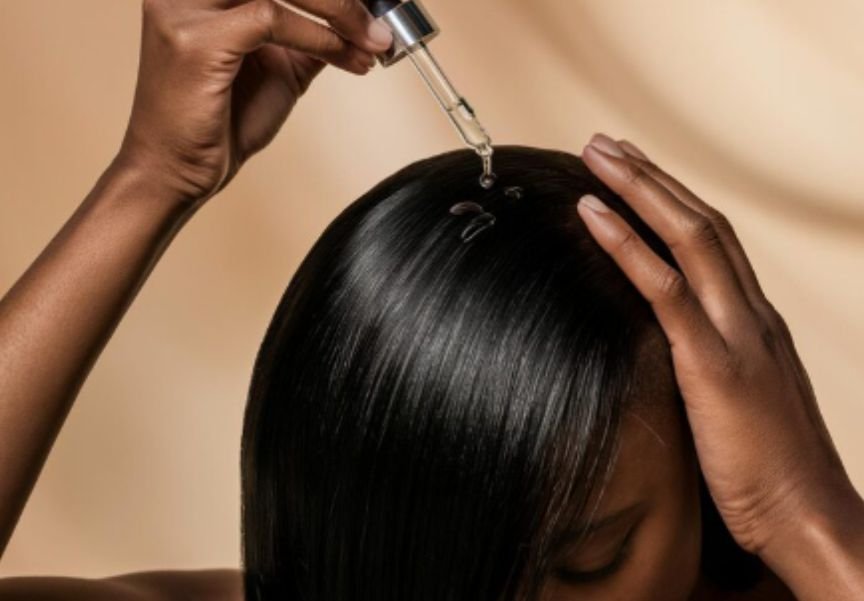
Benefits You Get When You Use Moringa Oil for Hair
Using moringa oil for hair provides natural care that works for hair and scalp health, offering moisture, strength, and smoothness.
Knowing its benefits helps you make it part of your daily routine.
Moisturizes Dry Hair and Scalp
Using moringa oil for hair penetrates deep, locking in moisture to relieve dryness.
Hair feels softer, scalp calmer, and hydration lasts longer, without weighing down strands or leaving a greasy residue.
Reduces Breakage and Split Ends
Coating hair with moringa oil prevents breakage and weak ends.
Regular use smooths cuticles, reduces friction, and strengthens strands, keeping hair less prone to splits or snapping while brushing.
Supports Hair Strength and Elasticity
Nutrients in moringa oil boost elasticity, allowing strands to stretch without snapping.
Hair becomes stronger, easier to style, and maintains resilience, supporting fuller-looking, healthier, and more manageable hair daily.
Helps Manage Frizz and Improves Shine
When you use moringa seed oil for your hair, it smooths cuticles, reducing frizz and flyaways.
Strands gain soft shine and a polished appearance, helping hair stay sleek, manageable, and responsive to styling in humid or dry conditions.
Scalp Nourishment and Comfort
Minerals and vitamins in moringa oil nourish your scalp, soothe irritation, and improve circulation.
A balanced, healthy scalp creates stronger follicles, supporting natural growth and overall hair comfort.
Moringa oil adapts well to various hair textures, helping you maintain moisture, strength, and shine.
Knowing how it works with your hair type improves results and daily care.
Natural and Curly Hair
Curly hair absorbs moringa oil to define curls, reduce dryness, and minimize shrinkage.
Applying it after washing or as a leave-in helps maintain softness and natural bounce.
Relaxed or Chemically Treated Hair
Moringa oil strengthens chemically treated strands, sealing moisture and protecting against breakage.
Regular use reduces brittleness, so hair feels smoother, resilient, and easier to comb or style.
Fine and Low-Porosity Hair
Lightweight moringa oil penetrates fine, low-porosity strands without weighing them down.
It nourishes from root to tip, maintaining moisture balance while keeping hair soft, manageable, and healthy-looking.
How to Use Moringa Oil for Hair
Moringa oil works in multiple ways to support healthy hair and scalp.
Knowing the best methods for your routine helps you get moisture, strength, and shine consistently.
Scalp Massage Oil
Massaging moringa oil into the scalp improves circulation while nourishing hair follicles.
Gentle, circular motions help reduce dryness, calm irritation, and deliver nutrients directly to roots, supporting healthy growth and stronger strands.
A few minutes daily can make the scalp feel comfortable and revitalized.
Leave-In or Sealant
Applying moringa oil as a leave-in helps lock in moisture after washing or styling.
It smooths frizz, softens strands, and protects hair from environmental stress, making curls, waves, or straight hair easier to manage and maintain throughout the day.
Hot Oil Treatment
Warm moringa oil enhances absorption into strands and scalp.
Heating slightly and applying before washing helps repair dryness, adds shine, and strengthens hair from root to tip.
Regular treatments reduce breakage, leaving hair softer, more flexible, and more resilient.
Mixing with Shampoos or Conditioners
Adding a few drops of moringa oil to your shampoo or conditioner enriches your routine with vitamins and fatty acids.
Hair becomes hydrated, smoother, and easier to detangle, while the scalp receives gentle nourishment without extra effort or mess.
Moringa Oil vs Other Hair Oils
Moringa oil stands out for hair and scalp care, but comparing it with other oils helps you choose what works best for your hair type, texture, and styling needs.
Comparison with Coconut Oil
Coconut oil penetrates strands and adds moisture, but moringa oil absorbs faster, leaving less residue.
Rich in oleic acid, moringa oil strengthens hair, so it’s ideal for reducing breakage while supporting soft, manageable strands without heavy buildup.
Comparison with Argan Oil
Argan oil provides shine and smoothness, but moringa oil delivers higher nutrient content for hair growth and scalp nourishment.
Its combination of vitamins, minerals, and antioxidants helps improve elasticity, moisture retention, and overall hair resilience naturally.
How Often Should You Use Moringa Oil?
Using moringa oil the right way helps your hair stay hydrated, strong, and healthy without feeling heavy.
Frequency depends on hair type and styling needs, so it works effectively in your routine.
Frequency by Hair Type
Curly or dry hair benefits from two to three applications per week to maintain moisture and reduce breakage.
Fine or low-porosity hair may need one light application weekly, while chemically treated strands respond well to regular treatments to strengthen and protect.
Signs of Overuse
Excess moringa oil can make hair look greasy, limp, or weighed down.
Scalp buildup may occur, causing itchiness or clogged follicles.
Adjusting frequency or amount helps hair absorb nutrients without losing natural volume or bounce.
Choosing Quality Moringa Oil
Picking the right moringa oil helps your hair absorb nutrients effectively and prevents scalp issues.
Knowing how to select and store it ensures maximum benefits for your hair care routine.
Cold-Pressed vs Refined
Cold-pressed moringa oil retains vitamins, antioxidants, and fatty acids, making it more effective for hair and scalp nourishment.
Refined oil may lose some nutrients, but it still offers lightweight hydration. Choosing cold-pressed oil ensures your strands get the full benefits of the oil naturally.
What to Check on the Label
Look for 100% pure moringa oil without fillers, synthetic fragrances, or chemicals.
Certifications, extraction method, and ingredient list indicate quality.
Labels also show shelf life, so you know the oil remains potent for your hair care needs.
Storage Tips
Store moringa oil in a cool, dark place away from sunlight to prevent oxidation.
A tightly sealed glass bottle preserves nutrients and extends shelf life.
Proper storage keeps the oil fresh, effective, and ready for daily or weekly hair treatments.
Possible Side Effects and Precautions
Moringa oil is gentle for most hair types, but knowing potential side effects and precautions helps your scalp and strands stay healthy and safe during use.
Patch Testing
Applying a small amount of moringa oil to your inner arm or behind the ear before using it on your scalp helps check for reactions.
Waiting 24 hours ensures your skin responds well and prevents irritation or redness.
Sensitivity Considerations
Some people may experience mild itching, redness, or scalp irritation.
Avoid using on broken skin, and reduce frequency or amount if discomfort occurs.
Combining moringa oil with other strong products may increase sensitivity, so test compatibility first.
Conclusion
Moringa oil for hair offers natural care for hair, supporting growth, moisture, and scalp health.
Rich in vitamins, oleic acid, and antioxidants, it reduces dryness, breakage, and frizz while adding soft shine.
Regular use helps maintain strong, manageable strands and a balanced scalp, working for different hair types and routines.
Using it correctly, selecting quality oil, and observing your scalp ensures safe, effective results that fit into daily hair care, protective styles, or treatments for natural and chemically treated hair.
Frequently Asked Questions
What hair types benefit most from moringa oil?
Curly, dry, relaxed, chemically treated, and fine hair all benefit. Moringa oil provides moisture, strength, and shine without weighing strands down.
Can moringa oil promote hair growth?
Yes, nutrients and oleic acid nourish follicles, improve circulation, and strengthen strands, creating a healthy scalp environment that supports natural hair growth over time.
How should moringa oil be applied?
It can be used as a scalp massage, leave-in, hot oil treatment, or added to shampoo or conditioner to lock in moisture and reduce dryness.
How often should moringa oil be used?
Frequency depends on hair type. Curly or dry hair can use it two to three times per week, while fine or chemically treated hair may need lighter, less frequent applications.
References