
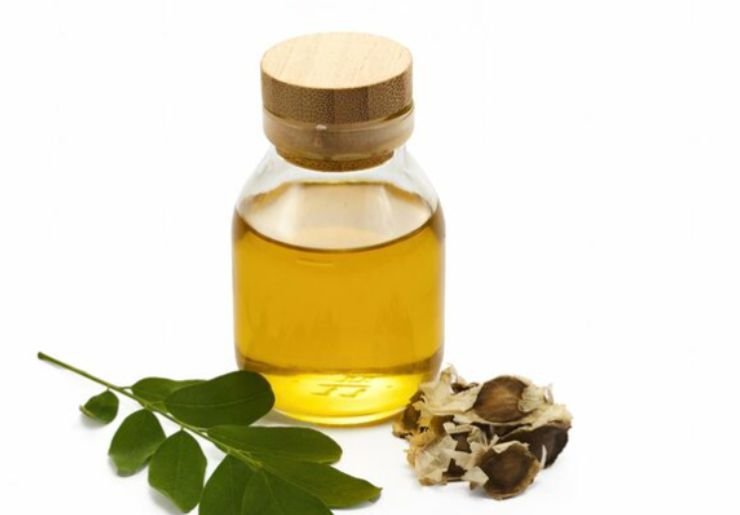
Learn how to use moringa oil for skin, hair, and massage, with simple tips that fit easily into your daily self-care routine.
Practical uses of moringa oil can fit smoothly into your daily routine, supporting skin care, hair care, nail strength, and simple wellness habits.
Clear, step-by-step applications show how to apply it correctly, avoid waste, and get consistent results.
Helpful tips and creative ideas make each use feel easy and purposeful.
By following these methods, your routine becomes more effective, more natural, and easier to maintain without confusion or extra products.
Table of Contents
What is Moringa Oil Good For?
Moringa oil supports skin, hair, and overall wellness with natural nutrients.
Knowing its benefits helps you choose care that hydrates, nourishes, and protects daily, keeping your body and hair healthy.
Skin Hydration and Barrier Support
Moringa oil delivers deep moisture without feeling heavy, improving softness and smoothness.
Fatty acids and vitamins strengthen the skin barrier, helping maintain balanced hydration and protect against dryness or environmental stress.
Hair Nourishment and Strength
Applying moringa oil to hair and scalp reduces breakage, supports elasticity, and adds shine.
Nutrients penetrate strands, improving manageability, softness, and overall hair health for all textures and types.
Anti-Aging and Skin Renewal
Rich in antioxidants and vitamins, moringa oil helps reduce fine lines, maintain elasticity, and support a smoother, more youthful appearance.
Regular use calms irritation and protects skin from oxidative stress.
Acne, Stretch Marks, and Blemish Management
Its light, non-comedogenic nature helps balance sebum, reduce inflammation, correct stretch marks, and calm breakouts.
Gentle application supports clearer-looking skin while providing hydration without clogging pores or leaving residue.
Massage and Relaxation
Moringa oil works well in self-care routines, promoting circulation and soothing muscles.
Massaging into the skin nourishes tissues, improves softness, and supports overall relaxation and comfort.
Recommended Posts
How to Use Moringa Seed Oil for Eczema
How Moringa Oil Benefits Your Health
Choosing the Right Moringa Oil
Choosing the right moringa oil affects how well it performs on your skin, hair, and nails.
Quality, processing method, and storage all shape how fresh, effective, and safe the oil feels in your routine.
Cold-Pressed, Refined, and Organic Oils
Cold-pressed moringa oil retains more natural nutrients because it is extracted without heat, making it ideal for skin care and hair care.
Refined oil has a lighter scent but fewer active compounds.
Organic options reduce exposure to pesticides, giving you a cleaner oil for daily use and sensitive skin.
How to Check Purity, Quality, and Sourcing
High-quality moringa oil has a clear to light golden color, mild nutty scent, and smooth texture.
Labels should list Moringa oleifera seed oil as the only ingredient.
Reputable brands share sourcing details, harvest methods, and testing standards, helping you avoid diluted or synthetic blends.
Storage Tips for Potency and Shelf Life
Proper storage keeps moringa oil fresh and effective. A cool, dark place slows oxidation and preserves nutrients.
Tightly sealed glass bottles protect against air and light exposure.
Avoid heat and direct sunlight, as these conditions can shorten shelf life and reduce overall performance.
Using Moringa Oil for Skin
Using moringa seed oil for your skin is a skincare hack many have yet to uncover.
Moringa oil absorbs easily into the skin, making it a practical choice for daily care.
Proper application supports hydration, comfort, and skin balance without leaving a heavy or greasy feel.
Facial Applications
A few drops of moringa seed oil help moisturize dry skin, soften fine lines, and calm irritation.
Gentle massage improves absorption and supports a smoother appearance.
Regular use can support skin elasticity, reduce dryness, and maintain a healthy-looking complexion without clogging pores.
Body Care Uses
Moringa oil works well for full-body massage, dry skin relief, and targeted areas like elbows and knees.
Its soothing properties can help calm itchiness linked to eczema-prone skin.
Warm the oil slightly between your palms before applying to improve the spread and comfort. See a dedicated post on how to use moringa seed oil for face and skincare.
Mixing With Other Products
Combining moringa oil with lotions, creams, or essential oils boosts hydration and improves application.
Adding a few drops enhances moisture retention and nutrient delivery.
Always blend thoroughly and patch test first, especially when using essential oils on sensitive skin areas.
Using Moringa Oil for Hair
Another use of moringa seed oil is for the hair. This oil supports healthier hair by nourishing the scalp and improving moisture balance.
Light texture and fast absorption make it suitable for regular use without weighing hair down.
Scalp Treatments
Applying moringa oil to the scalp helps reduce dryness, flaking, and dandruff.
Gentle massage improves circulation, which supports healthy hair growth and scalp comfort.
Leaving the oil on for 20 to 30 minutes before washing allows nutrients to absorb effectively.
Hair Masks and Conditioning
Moringa oil works well as a conditioning treatment for dry or dull hair. Blending it into a hair mask adds shine, softness, and hydration. Regular use helps reduce breakage, smooth strands, and maintain moisture, especially for curly, coily, or textured hair types.
Combining With Other Hair Products
Mixing moringa oil with shampoos, conditioners, or other oils improves moisture retention and manageability.
Combining it with coconut or castor oil supports strength and scalp care. Use small amounts to avoid buildup and maintain a clean, healthy finish. See a dedicated post on how to use moringa oil for hair.
Using Moringa Oil for Nails and Cuticles
Another way to use moringa oil is for nails and cuticles.
Moringa oil supports stronger nails and healthier cuticles by locking in moisture.
Regular use helps reduce dryness, peeling, and breakage while keeping nails flexible and well cared for.
Nail Hydration and Strength
Applying moringa oil directly to nails improves hydration and supports strength.
Massage helps the oil absorb into the nail plate, reducing splitting and cracking.
Consistent use keeps nails smoother, less brittle, and better protected from daily wear and exposure.
Cuticle Care and Brittleness Prevention
Moringa oil softens cuticles and helps prevent painful hangnails.
Gentle massage improves circulation around the nail bed, supporting healthy growth.
Keeping cuticles moisturized reduces brittleness and protects nails from damage caused by dryness or frequent washing.
Quick Daily Nail Routine
A simple routine takes less than two minutes. Apply one drop per hand, massage into nails and cuticles, then allow it to absorb.
Daily use maintains moisture balance and keeps nails healthy without interfering with polish or treatments.
Culinary Uses of Moringa Oil
Moringa oil, also known as moringa seed oil, works well in the kitchen when used correctly.
Its stable structure, mild flavor, and nutrient content make it suitable for simple, low-heat cooking and finishing dishes.
Cooking Applications
Moringa seed oil performs best with low-heat frying, light sautéing, salad dressings, and drizzling over cooked foods.
The mild taste does not overpower meals, making it easy to use with vegetables, grains, and proteins.
Using gentle heat helps preserve nutrients and keeps the oil stable during cooking.
Nutritional Benefits in Food
Adding moringa oil to meals supplies healthy fats, antioxidants, and plant-based compounds that support heart health and energy.
Using it raw or lightly heated allows nutrients to remain active, helping your body absorb fat-soluble vitamins from other foods in your diet.
Safe Handling and Storage Tips
Proper handling keeps moringa seed oil fresh and safe for cooking.
Store it in a cool, dark place, away from direct heat and sunlight.
Keep the bottle tightly sealed to limit oxidation. Avoid overheating, as excessive heat can reduce quality and nutritional value.
Using Moringa Oil in DIY Beauty Recipes
Moringa oil blends easily into homemade beauty recipes, making it simple to create skin care products at home.
Smooth texture and fast absorption help deliver moisture without leaving heavy residue on skin.
Homemade Scrubs, Masks, and Serums
Moringa oil works well in facial serums, body scrubs, and nourishing masks.
Adding it to sugar or salt scrubs supports gentle exfoliation, while serums benefit from its lightweight feel.
Use small amounts to maintain balance and prevent greasy buildup.
Combining With Natural Ingredients
Blending moringa oil with honey, aloe vera, or sugar creates skin-friendly formulas that hydrate and soothe.
Honey supports moisture retention, aloe calms irritation, and sugar offers mild exfoliation.
Mixing thoroughly helps ingredients work together smoothly during application.
Adjusting Quantities and Formulas
Start with a few drops and increase gradually based on skin type.
Oily skin benefits from lighter blends, while dry skin tolerates richer mixtures.
Always patch test new recipes to ensure comfort, balance, and consistent results.
Precautions and Best Practices
Using moringa oil safely helps protect your skin, hair, and overall routine.
Simple precautions and proper handling reduce irritation, prevent waste, and keep the oil fresh and effective for daily use.
Patch Testing Before Use
Applying a small amount to the inner arm helps check skin reaction before full use.
Wait 24 hours and observe for redness or irritation. This step is especially important for sensitive skin or first-time users.
Recommended Daily Amounts
Small amounts work best for moringa oil. One to three drops suit facial care, a teaspoon supports hair and scalp treatments, and culinary use should remain moderate.
Controlled use prevents buildup and maintains balance.
Preventing Contamination and Proper Storage
Avoid dipping fingers directly into the bottle to reduce contamination.
Use clean droppers or pumps instead. Store moringa oil in a cool, dark place with the lid tightly sealed to preserve quality and shelf life.
Conclusion
Moringa oil offers simple, practical ways to support your skin, hair, nails, and wellness routines.
Experimenting with small amounts allows you to discover which methods work best for your needs, from moisturizing and nourishing to adding shine or hydration.
Incorporating it into DIY recipes, massages, or culinary uses makes daily self-care easy and enjoyable.
Try one approach today, observe the results, and adjust as needed.
Consistent, mindful use helps you enjoy the benefits of this natural, nutrient-rich oil in your everyday routine.
Frequently Asked Questions
How can I use moringa oil on my skin daily?
Apply one to three drops to face or body, massage gently, and combine with creams or serums for hydration, smoothness, and natural nourishment.
What is the best way to apply moringa oil to hair?
Massage a small amount into the scalp, leave 20–30 minutes, or mix with conditioners and hair masks to support growth, moisture, and shine.
How does moringa oil benefit nails and cuticles?
Rubbing a drop into nails and cuticles hydrates, strengthens, and prevents brittleness or peeling, maintaining smooth, healthy nails with consistent daily use.
Can moringa oil be used in cooking safely?
Yes, use it for low-heat frying, drizzling, or salad dressings. Store in a cool, dark place to preserve nutrients and prevent oxidation.
References