
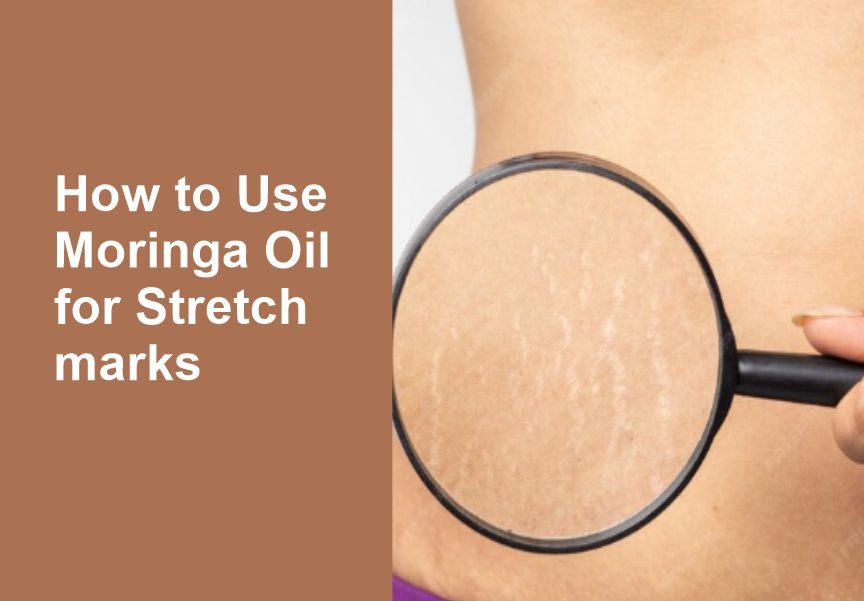
Learn how to use moringa oil for stretch marks to support skin elasticity, fade visible lines, and improve skin texture with daily care.
Stretch marks show up when skin stretches faster than it can adjust, leaving visible lines on areas like the hips, thighs, stomach, and arms.
Changes in weight, pregnancy, muscle growth, and puberty can push skin beyond its comfort zone, making it feel tight, dry, or uneven.
Caring for these areas matters because healthy, nourished skin handles stress better.
That is where the oil from moringa seed, also called Behen oil, fits into your routine.
Rich in fatty acids, antioxidants, and skin-soothing nutrients, it supports skin elasticity and moisture balance.
With regular use, your skin feels softer, looks smoother, and stays better hydrated.
Adding moringa oil for stretch marks into daily care helps support repair, improve texture, and keep skin comfortable through body changes.
Table of Contents
Qualities of Moringa Oil That Make It Suitable for Stretch Marks
Skin under stress needs steady moisture, gentle support, and nutrients that work with your natural repair process.
Moringa oil fits into stretch mark care because it feeds the skin, protects its surface, and supports a smoother feel with daily use. See more on moringa for face and skin protection.
Here is how are the qualities of behen oil that make this possible:
Rich Fatty Acid Profile for Skin Elasticity
Skin feels more flexible when healthy fats are present.
Moringa oil contains oleic acid, palmitic acid, and linoleic acid, which help soften dry areas and support skin elasticity.
Regular massage allows these fatty acids to sink in, making stretched skin feel more comfortable, supple, and less tight during body changes.
Deep Moisture Without a Heavy Feel
Dryness makes stretch marks look more visible. Moringa oil absorbs well, so your skin stays hydrated without a greasy layer.
Daily application helps seal in moisture, smooth rough patches, and keep stretch mark-prone areas like the belly, thighs, and hips feeling balanced and calm.
Antioxidants That Support Skin Repair
Skin exposed to stretching needs extra care. Moringa oil provides antioxidants such as vitamin E and plant compounds that support skin renewal.
These nutrients help reduce dull texture, support an even appearance, and keep skin feeling resilient when applied consistently during massage.
Natural Support for Collagen and Skin Strength
Firm skin depends on a strong structure. Moringa oil supports collagen health by keeping skin nourished and protected from dryness stress.
With steady use, skin feels stronger, looks smoother, and handles stretching better, which helps improve the appearance of stretch marks.
Gentle and Suitable for Sensitive Skin
Irritation can make stretch marks more noticeable. Moringa oil suits sensitive skin because it is mild and free from harsh additives.
Your routine stays simple, calming, and comfortable, making it easier to apply daily without redness, itching, or clogged pores.
Related Posts
How to Relieve Eczema with Moringa Oil
How to Know Quality Moringa Oil
The Moringa Oil Fatty Acid Profile
Why Your Skin and Face Need Moringa Oil
How to Effectively Use Moringa Oil for Hair
Different Ways to Maximize Moringa Oil
How Moringa Oil Helps With Stretch Marks
Stretch mark care works best when skin stays flexible, hydrated, and well supported.
Moringa oil helps meet these needs by feeding the skin with nutrients that improve comfort, texture, and visible smoothness during daily care.
Improves Skin Elasticity
Stretching skin needs healthy fats to stay flexible. Moringa oil contains oleic acid and essential fatty acids that support skin elasticity and softness.
Regular massage helps these nutrients sink in, allowing skin to bend and move with less tension, which supports a more resilient look in stretch mark areas.
Deep Moisturization
Dry skin makes stretch marks stand out more. Moringa oil delivers deep moisture that keeps skin hydrated and soft without blocking pores. See the comedogenic rating of moringa.
With steady use, rough patches feel smoother, tightness eases, and common problem areas like the stomach, thighs, and hips stay comfortable.
Supports Skin Repair
Skin under strain benefits from added care. Antioxidants and vitamin E in moringa oil support skin repair and renewal.
These nutrients help reduce rough texture, support an even look, and keep skin feeling healthier when used as part of a daily stretch mark routine.
Helps Fade Appearance Over Time
Texture and tone improve when skin stays nourished. Moringa oil supports smoother-looking skin by improving moisture balance and surface feel.
Consistent application, paired with gentle massage, helps stretch marks appear less noticeable while supporting overall skin comfort.
Related: Behen Oil for Dry Skin
Moringa Oil for New vs Old Stretch Marks
Stretch marks change in color and texture as skin heals.
Care works differently at each stage, and moringa oil supports both new and older stretch marks by keeping skin nourished, flexible, and comfortable with steady use.
Red or Purple New Stretch Marks
Fresh stretch marks appear red or purple because the skin is under active stress.
Moringa oil helps calm these areas by supporting moisture balance and skin elasticity.
Fatty acids and antioxidants keep skin soft, reduce tightness, and support a smoother look when applied daily with gentle massage.
White or Silver Older Stretch Marks
Older stretch marks fade to white or silver as skin settles.
Moringa oil supports texture improvement by feeding dry skin and encouraging a smoother surface feel.
Regular use helps soften hardened areas, improve tone balance, and keep mature stretch marks from looking rough or dry.
What Results to Expect
Results depend on consistency and skin condition. Moringa oil supports softer skin, improved texture, and better moisture retention.
New stretch marks respond faster, while older ones show gradual smoothing.
Daily application and massage support visible comfort and a more even appearance.
Related: Moringa Oil for Acne
Daily Massage Method
Daily massage helps moringa oil absorb better and supports smoother-looking skin.
A simple routine done with care keeps stretch mark areas hydrated, relaxed, and more responsive to consistent treatment.
How Much to Use
A small amount works best. A few drops of moringa oil warm between your palms, and cover areas like the stomach, thighs, or hips.
Using too much can leave residue, while the right amount absorbs well, allowing skin to feel soft, nourished, and comfortable.
Best Time to Apply After Shower
Warm skin absorbs oil more easily. Applying moringa oil after a shower locks in moisture while pores are open.
Gentle circular massage at this time helps the oil sink in, supports hydration, and keeps stretch mark areas smooth throughout the day or night.
Mixing With Other Ingredients
Blending moringa oil with rich butters or oils can improve moisture and comfort in stretch mark areas.
Simple mixes allow your routine to stay effective while supporting softer skin and better texture with regular use.
With Shea Butter or Cocoa Butter
Thick butters seal in moisture and soften dry skin. Mixing moringa oil with shea butter or cocoa butter creates a smooth blend that supports elasticity and hydration.
Massage helps the mix spread evenly, keeping stretch mark areas supple, calm, and less prone to dryness.
With Vitamin E Oil
Vitamin E oil pairs well with moringa oil for added skin support.
This combination helps protect skin, support repair, and improve surface smoothness.
Regular use keeps stretch mark areas nourished, supports even tone, and maintains comfortable, hydrated skin during daily care.
During Pregnancy or Weight Changes
Body changes place extra demand on skin flexibility and moisture.
Moringa oil fits into care routines during pregnancy or weight changes by supporting comfort, softness, and consistent hydration, where stretching is most common.
Preventive Use
Stretch mark care works best when started early. Applying moringa oil daily to the belly, hips, thighs, and breasts helps keep skin hydrated and flexible as size changes occur.
Gentle massage supports elasticity, reduces tightness, and keeps skin feeling comfortable as it adapts.
Safety Tips
Skin sensitivity can increase during pregnancy or rapid weight shifts. A patch test helps confirm comfort before full use.
Choosing pure, cold-pressed moringa oil without added fragrance reduces irritation risk.
Light massage and moderate amounts keep application safe, simple, and soothing for daily care.
Moringa Oil vs Other Oils for Stretch Marks
Choosing the right oil matters when the skin is stretching and needs steady care.
Each oil works differently, and comparing them helps your routine stay focused on moisture, comfort, and visible texture support.
Moringa Oil vs Coconut Oil
Coconut oil locks in moisture well but can feel heavy on some skin types.
Moringa oil absorbs faster, leaving skin soft without a thick layer.
This lighter feel suits daily massage, supports elasticity, and keeps stretch mark areas hydrated without clogged pores or greasy residue.
Moringa Oil vs Almond Oil
Almond oil supports softness and mild nourishment, yet absorption can be slower.
Moringa oil delivers fatty acids that sink in quickly, helping skin feel flexible and smooth.
Regular use supports moisture balance and comfort, making it easier to maintain daily stretch mark care.
Moringa Oil vs Rosehip Oil
Rosehip oil supports tone and surface texture but may feel drying without layering.
Moringa oil provides richer moisture while still feeling light.
This balance supports skin repair, smoothness, and elasticity, especially for areas prone to tightness and dryness.
Why Moringa Oil Is a Good Option
Moringa oil combines fast absorption, deep moisture, and skin-supporting nutrients.
Oleic acid, antioxidants, and vitamin E help keep skin soft, flexible, and comfortable.
Daily use supports a smoother texture and makes it a reliable choice for stretch mark care.
How Long Before You See Results with Moringa Oil on Stretch Marks?
Stretch mark care works best with patience and steady application.
Results depend on skin type, age of marks, and consistency, helping you set realistic expectations for smoother, softer areas over time.
Realistic Timelines
Visible improvement can appear in a few weeks for newer stretch marks, while older, white or silver marks may take several months to show noticeable change.
Regular daily massage with moringa oil keeps skin nourished, hydrated, and more responsive, helping fade lines and improve surface texture gradually.
Factors That Affect Improvement
Skin elasticity, hydration levels, age of stretch marks, and lifestyle all play a role.
Areas with tight or dry skin may need extra care, and combining moringa oil with gentle massage and other hydrating ingredients can speed comfort and a smoother appearance, supporting more even-looking skin.
Precautions and Skin Tips
Caring for stretch marks with oils is gentle, but some steps help keep skin comfortable and prevent irritation. Simple precautions ensure your routine stays safe and effective for daily use.
Patch Testing
Trying a small amount of moringa oil on a discreet area before full application helps confirm comfort.
Watching for redness, itching, or irritation ensures the skin reacts well.
Patch testing is a simple step that keeps stretch mark care safe, especially if your skin is sensitive or prone to reactions.
Managing Sensitive Skin
Sensitive skin can feel tight or easily irritated. Using pure, cold-pressed moringa oil without added fragrance reduces risks, and applying a light massage instead of heavy rubbing keeps skin calm.
Layering with gentle butters or vitamin E oil can further soothe areas while maintaining hydration and
Conclusion
Learn how to use moringa oil for stretch marks to support skin elasticity, fade visible lines, and improve texture with daily care.
Its rich fatty acids, antioxidants, and lightweight moisture nourish skin deeply without heaviness, helping both new and old stretch marks feel softer and more flexible.
Regular massage enhances absorption, supports collagen, and encourages gradual fading of lines while keeping skin comfortable during body changes.
By incorporating moringa oil into a consistent routine, you maintain healthier, hydrated, and more resilient skin that adapts better to stretching and minimizes the appearance of marks over time.
Frequently Asked Questions
What is the best way to apply moringa oil for stretch marks?
Apply a few drops to clean, warm skin. Massage gently in circular motions on the affected areas daily to improve absorption and elasticity.
Can moringa oil prevent stretch marks during pregnancy?
Yes. Daily application on the belly, hips, thighs, and breasts supports skin hydration and flexibility, reducing tightness and the likelihood of developing new stretch marks.
How long does it take to see results on old stretch marks?
Older white or silver stretch marks gradually improve over several months. Consistency with daily massage and oil application is key to visible change.
Can moringa oil be mixed with other ingredients for better results?
Yes. Combining with shea butter, cocoa butter, or vitamin E enhances hydration, supports elasticity, and improves texture, making stretch mark care more effective and soothing.
References