
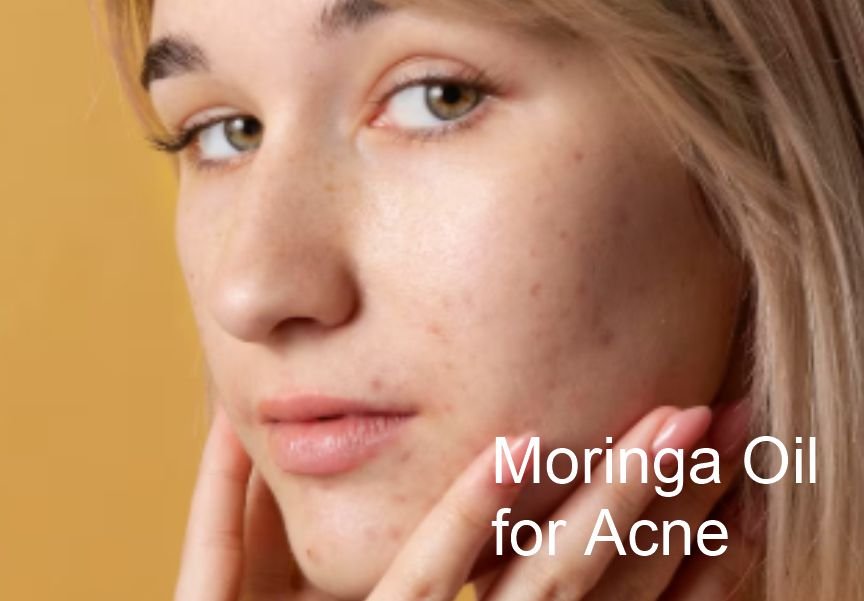
Learn how to use moringa oil for acne to hydrate your skin, calm redness, and support clear, balanced, healthy pores naturally.
Acne can leave your skin feeling irritated, inflamed, and uneven, with breakouts, blackheads, or excess oil creating daily frustration.
Finding a solution that hydrates without clogging pores makes a real difference in comfort and confidence.
Lightweight, nutrient-rich, and non-comedogenic, behen oil from moringa seed works gently on acne-prone skin, helping calm redness, support skin barrier health, and maintain moisture balance.
Incorporating it into your routine can reduce dryness, prevent flare-ups, and promote smoother, healthier-looking skin.
Using moringa oil thoughtfully, either alone or layered with other gentle products, helps soothe inflammation, protect pores, and keep your skin comfortable while addressing common acne concerns. New to moringa? See the introductory guide.
Table of Contents
Why Moringa Oil Helps Acne-Prone Skin
Moringa oil works gently on acne-prone skin, reducing inflammation, balancing hydration, and supporting the skin barrier without clogging pores, helping prevent new breakouts and soothe existing acne.
- Moringa oil’s natural anti-inflammatory compounds calm redness, reduce swelling, and soothe active pimples without aggravating acne or adding heaviness.
- Antibacterial properties in moringa oil target acne-causing bacteria, minimising new blemishes and supporting recovery without harsh chemicals or irritation.
- Oleic acid and antioxidants hydrate acne-prone skin gently, preventing dryness and excess oil production that commonly triggers breakouts.
- Moringa oil strengthens the skin barrier, locks in moisture, and shields pores — lightweight and non-comedogenic, it never clogs.
Recommended Posts
How to Use Moringa Oil for Dry Skin
Moringa Oil Allergies and Reactions
Moringa Oil Comedogenic Rating
How to Apply Moringa Oil for Stretch Marks
Choosing the Right Moringa Oil for Acne
Selecting the right moringa oil matters for acne-prone skin, ensuring hydration and barrier support without triggering breakouts.
Quality, purity, and packaging play key roles in keeping acne under control while nourishing skin.
Cold-Pressed, Pure, and Organic Options
Cold-pressed, pure, and organic moringa oil delivers maximum nutrients and antioxidants without chemical residues that can irritate acne-prone skin.
Choosing unrefined oil supports healing, balances oil production, and hydrates gently without clogging pores or worsening existing pimples.
Avoid Blended Oils With Heavy or Comedogenic Ingredients
Oils mixed with coconut, palm, or other heavy ingredients can worsen acne by blocking pores.
Stick to single-ingredient moringa oil for acne-prone skin to maintain clarity, reduce flare-ups, and prevent clogged pores while still nourishing.
Packaging Tips: Dark Glass Bottles and Airtight Seals
Dark glass bottles with airtight caps protect moringa oil from light and air, keeping its antioxidants stable for acne-prone skin.
Proper packaging ensures freshness, preserves nutrients, and prevents oxidation that could irritate pimples or inflamed areas.
How to Apply Moringa Oil for Acne
Applying moringa oil the right way helps acne-prone skin stay hydrated, calm, and balanced while minimizing breakouts.
Simple steps and mindful layering make it effective without clogging pores.
Daily Moisturizer
Apply a few drops of moringa oil to clean, slightly damp skin after cleansing.
Layer it under lightweight creams or gels to lock in moisture, support your skin barrier, and keep acne-prone areas hydrated without heaviness.
Regular use maintains softness while helping prevent dryness that can trigger excess oil production.
Spot Treatment
Dab moringa oil directly onto pimples, inflamed spots, or blemishes.
Use sparingly to avoid excessive oiliness, allowing its anti-inflammatory and antibacterial properties to calm irritation and promote healing.
Targeted application keeps the surrounding skin balanced and minimizes flare-ups.
As an Oil Cleanser
Massage moringa oil onto dry skin to gently dissolve makeup, sebum, and impurities.
Rinse with warm water or follow with a mild cleanser. This method helps keep pores clear and reduces acne-causing buildup while nourishing the skin.
Mixing With Other Acne-Friendly Ingredients
Blend moringa oil with aloe vera, tea tree oil, or niacinamide for enhanced acne support.
Keep mixtures light and carefully measured to avoid clogging pores, maintain hydration, and calm inflamed areas without adding excess oil.
Tips for Using Moringa Oil Safely
Following safe practices ensures moringa oil benefits acne-prone skin without causing flare-ups, clogged pores, or irritation.
Simple adjustments help you integrate it effectively into daily routines.
Patch Test Before Full-Face Use
Apply a small drop of moringa oil on the inner arm or behind the ear before using it on the face.
Waiting 24 hours reveals any sensitivity, irritation, or breakouts, helping protect acne-prone skin and avoid aggravating blemishes.
Use 1–2 Times Daily Depending on Skin Type
For oily or combination acne-prone skin, one daily application may be enough. Drier acne-prone areas can benefit from twice-daily use.
Adjust frequency based on how your skin responds, keeping hydration balanced without triggering excess oil or clogged pores.
Adjust Routine if Skin Becomes Oily or Irritated
If redness, breakouts, or greasiness appear, reduce frequency or use smaller amounts.
Layering under light moisturizers or gels can help maintain hydration while minimizing pore congestion and calming acne-prone skin.
Moringa Oil vs Other Oils for Acne
Comparing oils helps acne-prone skin get hydration without worsening breakouts.
Moringa oil’s lightweight, non-comedogenic nature makes it stand out among common plant oils.
Coconut Oil
Coconut oil is thick and can clog pores, especially for acne-prone skin.
While it moisturizes, it may trigger breakouts or worsen oily areas, unlike moringa oil, which absorbs quickly.
Argan Oil
Argan oil hydrates and provides antioxidants, but its slightly heavier texture can feel greasy on acne-prone skin.
Moringa oil delivers similar nutrients without adding weight or clogging pores.
Jojoba Oil
Jojoba oil mimics sebum and helps balance skin oiliness. Moringa oil goes further with anti-inflammatory and antibacterial support, making it better for calming active acne while keeping pores clear.
Rosehip Oil
Rosehip oil nourishes and repairs skin but absorbs more slowly.
Moringa oil penetrates faster, hydrating acne-prone skin without leaving a residue, supporting a clearer, calmer complexion.
Conclusion
Natural moringa oil hydrates acne-prone skin while calming redness, soothing inflammation, and supporting a healthy skin barrier.
Its lightweight, non-comedogenic formula nourishes without clogging pores, helping prevent flare-ups and maintain balanced hydration.
Incorporating moringa oil consistently can reduce dryness, improve comfort, and protect skin from environmental stressors that worsen breakouts.
Using it thoughtfully, either alone or with gentle acne-friendly products, allows your skin to stay soft, resilient, and clearer.
Before long, moringa oil can support a calmer, healthier-looking complexion while minimizing acne irritation and maintaining moisture where it’s needed most.
Frequently Asked Questions About Moringa Oil for Acne
Can Moringa Oil Reduce Acne Breakouts?
Moringa oil’s antibacterial and anti-inflammatory properties help control acne-causing bacteria and soothe inflamed spots, reducing the frequency and severity of breakouts naturally.
Is Moringa Oil Safe for Sensitive Acne-Prone Skin?
Yes, its lightweight, non-comedogenic nature makes it gentle on sensitive, acne-prone areas. Conducting a patch test ensures safe use without irritation or added breakouts.
How Long Before Moringa Oil Shows Results on Acne?
Visible improvement may appear within two to four weeks, depending on acne severity, consistency of use, and integration with other acne-friendly skincare products.
Can It Be Combined With Other Acne Treatments?
Yes, moringa oil works alongside salicylic acid, benzoyl peroxide, or gentle cleansers. Apply lightly to avoid excess oil and reduce potential irritation on acne-prone skin.
References

Chims Clements writes about herbs from personal experience and careful research. Growing up in Aba, Nigeria, moringa and tamarind were everyday household plants long before they became globally recognised superfoods. He uses both regularly in his home today. At Six Herbs he goes deep on moringa, tamarind, fenugreek, and sea moss — building honest, experience-backed content that separates what tradition knows from what science confirms. The content on this site is for informational purposes only and is not medical advice. Always consult a healthcare provider before using herbs medicinally.