
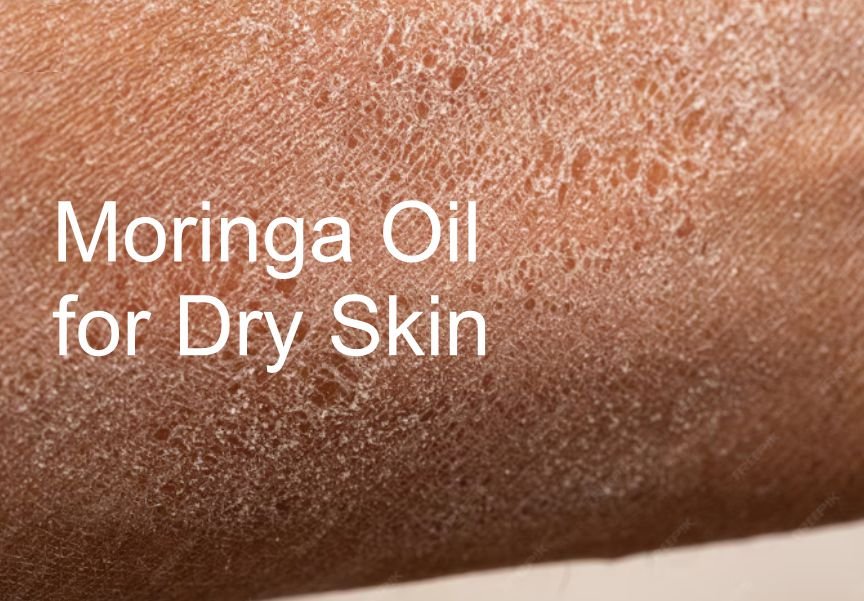
Natural moringa oil for dry skin nourishes deeply, restores moisture, and soothes irritation, leaving your skin soft, smooth, and healthy.
Dry skin can feel tight, flaky, and irritated, leaving your face and body uncomfortable and dull.
Natural moringa oil nourishes deeply, replenishes moisture, and helps soothe irritation while supporting skin’s softness.
Its lightweight, nutrient-rich formula absorbs quickly, locking in hydration without feeling greasy.
Incorporating this oil into your daily routine can improve texture, restore comfort, and protect skin from environmental stressors.
Using moringa oil regularly helps maintain a balanced, healthy glow while addressing dryness, rough patches, and sensitivity, making it a gentle yet effective choice for dry or combination skin types.
Table of Contents
Why Natural Moringa Oil Works for Dry Skin
Natural moringa oil nourishes, restores moisture, and strengthens your skin barrier, making it perfect for dry, flaky, or sensitive skin.
Its nutrient-rich formula tackles tightness, rough patches, and irritation, leaving skin soft, smooth, and comfortable.
Rich in Oleic Acid for Deep Hydration
Oleic acid penetrates deeply, replenishing moisture in dry areas while preventing water loss.
It softens rough patches, reduces tightness, and improves skin suppleness.
Regular use helps skin stay hydrated and smooth all day without feeling greasy or heavy.
Packed with Vitamins A & E to Repair and Nourish
Vitamins A and E work together to repair dryness-related damage and soothe irritation.
They support cell regeneration, improve elasticity, and leave skin feeling nourished, soft, and balanced after every application.
Antioxidants That Strengthen Skin Barrier
Natural antioxidants protect dry skin from oxidative stress and environmental damage, locking in hydration.
They reduce flakiness and sensitivity, helping your skin feel resilient, calm, and comfortable even in harsh conditions.
Recommended Posts
Moringa Oil Allergies and Reactions
Moringa Oil Comedogenic Rating
Using Moringa Oil for Stretch Marks
How to Use Moringa Oil for Skin and Face
How to Use Moringa Oil for Dry Skin
Moringa oil hydrates, nourishes, and protects dry skin, keeping it soft and smooth.
Here’s how to make it a part of your daily skincare routine for visible results.
Daily Moisturizer
Apply a few drops of moringa oil to slightly damp skin after showering to lock in moisture.
It glides easily over arms, legs, and torso, leaving skin soft without a greasy feel.
Layering under your favorite cream can boost hydration and help dry patches stay smooth throughout the day.
Mix With Other Natural Ingredients
Blend moringa oil with shea butter or aloe vera for an extra moisture boost.
Adding a drop of lavender or chamomile essential oil can calm irritation while keeping skin nourished.
Mixing oils with natural butters creates a creamy, spreadable texture that melts into dry areas quickly.
Targeted Treatments
Focus on trouble spots like elbows, knees, hands, and heels, where skin tends to be rough and dry.
A gentle application on dry cheeks or around the nose can help soothe flakiness.
Massage the oil in circular motions to improve absorption and support skin repair.
Tips for Maximum Effectiveness
Apply moringa oil consistently, ideally morning and night, to maintain hydration.
Store the bottle in a cool, dark place to preserve nutrients and prevent spoilage.
Conduct a patch test on sensitive skin before widespread use to ensure comfort and avoid irritation.
Related: How to Use Moringa Oil for Acne
Precautions for Using Moringa Oil on Dry Skin
Even natural oils can irritate dry or sensitive skin if the barrier is compromised.
Simple precautions help you enjoy hydration, nourishment, and repair while keeping your skin comfortable and protected.
Patch Test Before Use
Applying moringa oil to a small area, such as the inner arm or behind the ear, lets you see how your dry skin reacts.
Waiting 24 hours ensures any redness, tightness, or flakiness is noticed before full-face or body use, reducing the risk of irritation and maintaining comfort.
Avoid Using on Broken Skin
Dry, cracked, or inflamed areas are more sensitive to oils. Applying moringa oil to these spots can sting or worsen irritation.
Focus on intact, dry skin first, allowing cracks or cuts to heal before gently introducing the oil for hydration and barrier support.
Conclusion
Natural moringa oil is a gentle, nutrient-rich solution for dry, sensitive, or irritated skin.
Its lightweight texture absorbs quickly, locking in moisture while delivering vitamins, antioxidants, and fatty acids.
Regular use restores softness, smoothness, and barrier strength, reducing flakiness, redness, and discomfort.
Applying it consistently, alone or with other natural moisturizers, keeps skin hydrated, resilient, and comfortable against environmental stressors.
By choosing high-quality, pure moringa oil and following simple precautions like patch testing, you can enjoy lasting hydration, skin repair, and a healthy, nourished glow every day.
Frequently Asked Questions
What Makes Moringa Oil Effective for Dry Skin?
Moringa oil’s high oleic acid content penetrates deeply to hydrate and repair, while vitamins A and E nourish, protect, and maintain skin barrier health, leaving skin soft.
Can Moringa Oil Cause Irritation for Dry Skin?
Moringa oil is generally safe, but sensitive skin may react. Patch testing before full-face or body use reduces the risk of redness, itching, or flakiness.
How Often Should I Apply Moringa Oil to Dry Skin?
For maximum hydration, apply a few drops daily, ideally after bathing or showering, and focus on dry areas like elbows, knees, hands, and heels.
Can Moringa Oil Be Mixed with Other Moisturizers for Dry Skin?
Yes, it blends well with shea butter, aloe vera, or gentle creams. Mixing enhances hydration while keeping skin soft, nourished, and balanced without greasiness.
References
- The Benefits Of Moringa Oil For Skin Health
- Moringa Oil: What It Is and How It Benefits Your Skin and Hair

Chims Clements writes about herbs from personal experience and careful research. Growing up in Aba, Nigeria, moringa and tamarind were everyday household plants long before they became globally recognised superfoods. He uses both regularly in his home today. At Six Herbs he goes deep on moringa, tamarind, fenugreek, and sea moss — building honest, experience-backed content that separates what tradition knows from what science confirms. The content on this site is for informational purposes only and is not medical advice. Always consult a healthcare provider before using herbs medicinally.