
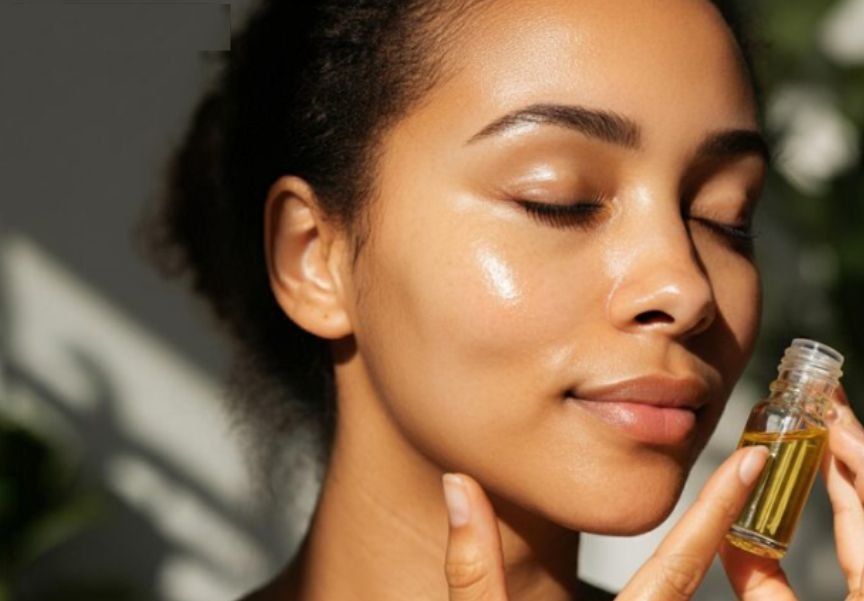
Learn how to use moringa oil for your skin and face, for hydration, a smooth texture, balanced moisture, and a glow, plus daily care tips to help protect and nourish your skin.
Moringa seed oil has become popular in skincare and face care routines because it supports healthy, balanced skin and the face without feeling heavy.
Many people now turn to it for moisture care, barrier support, and a smoother skin texture.
Moringa oil rarely causes allergies or reactions. Daily exposure to sun, dust, and dry air can leave skin dull or uncomfortable, and adding the right oil helps restore comfort.
Gentle enough for regular use, it fits easily into face care, body care, and night routines.
When dryness, uneven tone, or rough patches affect confidence, simple skincare choices matter.
Using moringa oil helps maintain softness, support natural glow, and keep skin feeling calm, nourished, and protected throughout the day and night.
Skin Care Requires a Different Kind of Honesty Than Health Claims
Writing about moringa oil for skin means navigating a space full of overstatement — “anti-aging,” “clears everything,” “suits every skin type.”
The credibility here comes from knowing the plant well enough to be specific rather than sweeping: what the fatty acid profile actually does, why the comedogenic rating matters, and where moringa oil fits versus where it doesn’t.
That precision is the result of sustained, careful research rather than enthusiasm for the product. Let’s check it out.
New to moringa and its wonders? Start from the introduction to moringa.
Table of Contents
Nutritional Profile of Moringa Oil That Makes It Suitable for Skin and Face
Moringa oil supports skin and face comfort, moisture balance, and surface protection through its natural nutrients.
Knowing what feeds your skin helps you choose care that fits daily routines and long-term skin health.
Fatty Acids (Oleic Acid)
Oleic acid helps your skin retain moisture while staying breathable.
Fast absorption supports softness without clogging pores, making it suitable for dry, sensitive, or combination skin.
Regular use improves skin flexibility, smooth feel, and barrier support, reducing tightness caused by harsh weather, cleansing, or daily exposure.
Vitamins A, C, and E
These vitamins support skin renewal, tone balance, and surface protection.
Vitamin A helps maintain smooth texture, vitamin C supports brightness, while vitamin E shields skin from dryness and external stress.
Together, they promote even-looking skin, softness, and a healthy glow without irritation or heavy residue.
Antioxidants and Plant Compounds
Plant compounds and antioxidants help protect your skin from environmental damage that leads to dullness and uneven texture.
They support calm skin, reduce visible stress signs, and maintain a balanced appearance.
Consistent use encourages clearer-looking skin, improved comfort, and a refreshed feel throughout the day.
Recommended Posts
Signs it is Original Moringa Oil
Moringa Oil for Eczema: Everything to Know
How Moringa Seed Oil Benefits Your Health
How to Use Moringa Oil for Haircare
Moringa Oil Fatty Acid Profile
Different Ways to Use Moringa Seed Oil
Benefits of Moringa Oil for Skin
Moringa oil supports daily skin care by improving moisture balance, surface comfort, and protection.
Knowing its benefits helps your routine stay simple while supporting healthy, calm, and smooth skin.
Deep Moisturization Without Heavy Feel
Moringa oil absorbs quickly, delivering moisture without clogging pores.
Skin feels hydrated, comfortable, and breathable, making it suitable for daily face care and body care routines.
Supports Skin Barrier Function
Fatty acids in moringa oil help strengthen the skin barrier, reducing moisture loss.
A supported barrier keeps skin comfortable, protected, and better able to handle daily cleansing and exposure.
Helps Improve Skin Softness and Smoothness
Regular use improves skin texture by reducing rough patches.
Skin feels softer to the touch, smoother in appearance, and more flexible during movement throughout the day.
Antioxidant Support Against Environmental Stress
Antioxidants help shield skin from pollution, sun exposure, and dryness.
This support reduces visible stress signs, helping skin maintain a fresh and balanced appearance.
Helps Maintain an Even-Looking Complexion
Moringa oil supports balanced skin tone by calming dryness and surface stress.
With consistent use, skin appears more even, clear, and naturally radiant.
Benefits of Moringa Oil for the Face
Moringa oil works as a gentle, effective facial care option, supporting hydration, smooth texture, and balanced skin.
Knowing its benefits helps you maintain healthy, clear, and youthful-looking skin daily.
Lightweight, Non-Greasy Moisturizer
Moringa oil absorbs quickly, delivering hydration without leaving shine or residue.
It suits dry, combination, and sensitive skin, keeping your face soft, smooth, and comfortable throughout the day and under makeup.
Anti-Aging Properties
Rich in vitamins and antioxidants, moringa oil supports collagen production, reducing the appearance of fine lines and wrinkles.
Regular use helps protect skin from environmental stress while maintaining elasticity and firmness.
Acne-Fighting Properties
Oleic acid and antibacterial compounds help balance sebum and calm inflammation.
Moringa oil soothes irritation, diminishes stretch marks, reduces breakouts, and supports clearer, more balanced skin without clogging pores or feeling heavy.
Related: How to Use Moringa Seed Oil for Flaky Dry Skin
Moringa Oil for Different Skin Types
Moringa oil works well across skin types, helping balance moisture, comfort, and surface care.
Knowing how it reacts with your skin type improves results and supports a simple daily skincare routine.
Dry and Dehydrated Skin
Dry skin benefits from moringa oil’s ability to seal in moisture and reduce tightness.
Applying it after cleansing supports hydration, smooth texture, and comfort.
Fatty acids help repair the skin barrier, limiting moisture loss caused by harsh weather, hot showers, or frequent washing.
Oily and Acne-Prone Skin
Lightweight absorption allows moringa oil to moisturize without clogging pores.
Balanced hydration helps reduce excess oil production, while antioxidants support clearer-looking skin.
Regular use can calm surface irritation, support skin balance, and improve overall texture without leaving a greasy residue.
Sensitive and Mature Skin
Sensitive and mature skin responds well to moringa oil’s gentle nature.
Nutrients support softness, elasticity, and barrier care while reducing dryness-related discomfort.
Consistent use helps skin feel calm, flexible, and smooth, making fine lines appear less noticeable and skin tone more even.
How to Use Moringa Oil on Skin
Moringa oil fits easily into daily skincare and body care routines, supporting moisture, comfort, and smooth texture.
Knowing the right ways to apply it helps skin stay balanced and healthy.
Facial Oil Application
Applying a few drops to clean, slightly damp skin helps seal in moisture and improve softness.
Gentle patting supports even absorption, reduces dryness, and supports a smooth finish.
Regular facial use helps maintain skin comfort, balanced hydration, and a natural glow without clogging pores.
Body Oil Use
Using moringa oil after bathing helps lock in moisture and prevent dryness.
Massaging it into arms, legs, and dry areas improves skin flexibility and smoothness.
Lightweight absorption allows skin to feel nourished without stickiness, making it suitable for daily body care.
Mixing with Creams or Lotions
Adding a few drops of moringa oil to creams or lotions boosts moisture and improves spreadability.
This method supports longer-lasting hydration, helps calm rough patches, and keeps skin feeling soft.
Mixing allows easy use without changing your existing skincare routine.
Use in Massage and Self-Care Routines
Moringa oil works well for massage and relaxation routines.
Smooth glide supports circulation, muscle comfort, and skin nourishment.
Using it during self-care promotes calm skin, improved texture, and a soothing experience that supports both skin health and overall comfort.
How to Use Moringa Oil on the Face
Moringa oil fits seamlessly into daily facial routines, providing hydration, calm skin, and smooth texture.
Knowing the right methods helps your facial skin stay balanced, nourished, and comfortable every day.
As a Daily Moisturizer
Applying a few drops on clean facial skin, morning or night, locks in moisture and keeps your face soft.
It layers easily under sunscreen or makeup, supporting hydration without heaviness.
As an Oil Cleanser
Massage moringa oil onto dry skin to dissolve dirt, makeup, and impurities.
Rinse with warm water or follow with a gentle cleanser to leave skin clean and nourished.
Under Makeup
A few drops create a smooth, hydrated base for foundation.
Face feels soft and balanced, allowing makeup to glide on evenly without excess shine or greasiness.
Targeted Treatments
Dab moringa oil on acne-prone spots, fine lines, or dry patches.
Mixing with other oils or serums enhances benefits, supporting clearer, softer, and more resilient skin.
Moringa Oil vs Other Skincare Oils
Moringa oil compares well with popular skincare oils, offering balanced moisture, skin comfort, and nutrient support.
Comparing it with other oils helps your routine match skin needs and daily care goals.
Comparison with Argan Oil
Argan oil adds surface shine and softness, while moringa oil provides deeper moisture support and nutrient density.
Faster absorption reduces residue, making it suitable for face and body care when skin needs comfort without heaviness or pore congestion.
Comparison with Jojoba Oil
Jojoba oil mimics natural skin oils and supports balance, but moringa oil delivers added vitamins and antioxidants.
This combination of hydration and nourishment supports smoother texture, barrier care, and improved comfort across different skin types.
When Moringa Oil Is a Better Choice
Moringa oil works best when skin feels dry, tight, or uneven.
Daily use supports moisture retention, calm skin, and surface protection, making it suitable for changing weather, frequent cleansing, or mature skin care routines.
How Often Should You Use Moringa Oil
Knowing the right frequency for applying moringa oil helps your skin stay hydrated, comfortable, and balanced.
Adjusting use based on your skin type ensures effective results without feeling heavy.
Daily vs Occasional Use
Using moringa oil daily helps maintain consistent moisture, smooth texture, and barrier support, especially for dry or mature skin.
Occasional use works well for combination or oily skin, providing hydration when needed without leaving excess residue or feeling greasy.
Adjusting Usage by Skin Type
Dry or sensitive skin benefits from one to two daily applications, while oily or acne-prone skin responds better to light, occasional use.
Adjusting drops or timing allows skin to absorb nutrients effectively without overloading pores or causing an imbalance.
Choosing High-Quality Moringa Oil
Selecting high-quality moringa oil ensures your skin absorbs nutrients effectively, stays nourished, and avoids irritation.
Knowing what to look for helps you get the best results from daily skincare.
Cold-Pressed vs Refined
Cold-pressed moringa oil retains vitamins, antioxidants, and fatty acids, providing maximum hydration and skin nourishment.
Refined oil may lose some nutrients, but it still offers lightweight moisture.
Choosing cold-pressed supports deeper care and smoother, more balanced skin.
Ingredient Label Tips
Look for 100% pure moringa oil without additives, synthetic fragrances, or chemicals.
Labels showing extraction method, certification, and shelf life indicate quality and potency, ensuring safe and effective skincare results.
Conclusion
Knowing how to use moringa oil for skin and face helps maintain hydration, smooth texture, and balanced moisture while supporting daily care routines.
Regular application softens rough patches, calms dryness, and nourishes sensitive areas, making skin feel comfortable and protected.
Its lightweight absorption works for face, body, and targeted treatments, supporting anti-aging, acne management, and glow.
Using high-quality, cold-pressed moringa oil ensures nutrients reach the skin effectively.
Incorporating it into cleansing, moisturizing, or massage routines keeps skin even-looking, refreshed, and naturally radiant, providing a simple, reliable approach to healthy, resilient, and comfortable skin.
Frequently Asked Questions
Can moringa oil cause breakouts?
Moringa oil is lightweight and non-comedogenic, so it rarely causes breakouts. Excess use or improper cleansing may clog pores, so adjust the amount as needed.
Is it suitable for sensitive skin?
Yes, moringa oil is gentle and soothing. Its natural nutrients calm irritation, reduce redness, and support hydration without harsh reactions for sensitive or reactive skin.
Can it replace moisturizer and serum?
Moringa oil can act as both a moisturizer and serum for hydration, nourishment, and barrier support, especially when layered with lightweight products for added benefits.
How do I use moringa oil on my body skin?
Apply after bathing or to dry patches, massaging gently. It locks in moisture, softens texture, and supports smooth, comfortable, and nourished skin all over.
Can moringa oil help with acne-prone skin?
Yes, lightweight absorption hydrates without clogging pores. Antioxidants and oleic acid help calm inflammation, reduce excess oil, and support clearer-looking, balanced skin over time.
Is moringa oil suitable for daily use?
Daily application supports hydration, softness, and barrier function. Adjust the amount for your skin type to avoid heaviness while maintaining smooth, comfortable, and nourished skin.
Can moringa oil be used under makeup?
Yes, a few drops create a smooth base and light hydration. Skin feels soft, balanced, and ready for foundation, improving makeup application and longevity naturally.
References
- Amazing Benefits of Moringa for Your Skin
- Moringa Oil Benefits and Uses
- Moringa Oil – How to Use It and Its Benefits

Chims Clements writes about herbs from personal experience and careful research. Growing up in Aba, Nigeria, moringa and tamarind were everyday household plants long before they became globally recognised superfoods. He uses both regularly in his home today. At Six Herbs he goes deep on moringa, tamarind, fenugreek, and sea moss — building honest, experience-backed content that separates what tradition knows from what science confirms. The content on this site is for informational purposes only and is not medical advice. Always consult a healthcare provider before using herbs medicinally.