
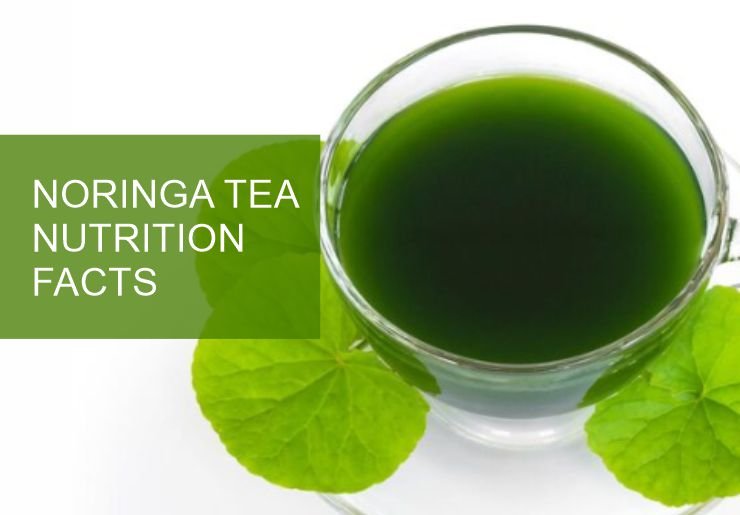
Moringa tea nutrition facts show how this leafy drink supplies vitamins, minerals, antioxidants, and natural energy for better health.
Moringa tea brings a natural boost to your daily routine, packed with nutrients that support your body in simple, effective ways.
Throughout this article, you will discover the vitamins, minerals, and antioxidants it contains, and how each contributes to your energy, immunity, and overall wellness.
Learn which nutrients help protect your cells, support healthy digestion, and promote balanced energy throughout the day.
By understanding what’s inside your cup, you can make informed choices about including it in your routine, whether for a morning pick-me-up or a calming evening drink.
This guide will help you connect the nutrients in moringa tea to your daily health and feel the difference naturally.
Table of Contents
Macronutrients in Moringa Tea
Moringa tea offers a light, refreshing way to support your daily nutrition.
Its macronutrient content is lower than that of other forms, yet it still provides subtle benefits for energy and overall wellness.
Protein in Moringa Tea
Most brewed cups contain less than 1 gram of protein, making it a very light source.
While minimal, this small amount contributes to your daily intake without adding extra calories, and can complement meals if you want a hydrating drink that won’t interfere with your protein goals.
Carbohydrates in Moringa Tea
Carbohydrate levels in moringa tea are nearly zero, which makes it an excellent low-carb choice.
This allows you to enjoy the flavor and nutrients without worrying about added sugars, keeping your daily carb intake balanced while sipping a calming, plant-based beverage.
Fiber in Moringa Tea
Brewed moringa tea contains almost no fiber, since most insoluble components remain in the leaves.
If you want to support digestion and feel fuller, pairing the tea with fiber-rich foods or choosing powdered moringa can help you get more of this important macronutrient.
Fat in Moringa Tea
Fat content in a cup of moringa tea is negligible, reinforcing its low-calorie status.
Drinking it provides hydration and plant-based nutrients without impacting your daily fat intake, making it an easy choice for weight-conscious or calorie-aware routines.
Recommended Posts
How to Use Moringa Tea for Weight Loss
How Moringa Tea Benefits Health
Vitamins in Moringa Tea
Moringa tea delivers a gentle, plant-based boost of essential vitamins, helping your body stay energized, support immunity, and maintain healthy skin and cells through your daily routine.
Vitamin A
Vitamin A in moringa tea supports vision, skin health, and cell growth.
Regularly sipping this tea can help maintain healthy eyes and contribute to overall cellular wellness, while adding a flavorful, nutrient-rich beverage to your day.
Vitamin C
Vitamin C acts as a natural antioxidant, supporting your immune system and helping your body absorb iron efficiently.
It also plays a role in collagen production, promoting skin elasticity and aiding in tissue repair naturally.
Vitamin E
Vitamin E helps protect your cells from oxidative stress, supporting heart health and maintaining skin integrity.
Drinking moringa tea regularly gives a subtle boost to your body’s defense against free radicals.
B-Complex Vitamins
Moringa tea contains B1, B2, B3, B5, B6, and B9, which contribute to energy production, metabolic function, and a healthy nervous system.
Including this tea in your routine supports daily vitality and overall wellness.
Brewing and Vitamin Retention
Steeping the leaves releases most nutrients, but some vitamins may be sensitive to heat.
For a more concentrated intake, pairing brewed tea with moringa powder or leaves can help maximize your vitamin consumption.
Minerals in Moringa Tea
Moringa tea provides a gentle, mineral-rich boost, helping support bones, muscles, and overall wellness while fitting easily into your daily routine.
Its minerals work together to support energy, heart, and cellular health naturally.
Calcium
Calcium in moringa tea helps maintain strong bones and teeth while supporting proper muscle function.
A standard cup provides around 30 mg, making it a simple way to contribute to daily calcium needs, especially when combined with other calcium-rich foods in your diet.
Potassium
Potassium content of about 250 mg per serving supports heart health, nerve function, and muscle contractions.
Including moringa tea in your day helps balance electrolytes, maintain healthy blood pressure, and support energy throughout your activities.
Magnesium
Magnesium plays a role in energy production, protein synthesis, and muscle relaxation.
With roughly 20 mg per cup, moringa tea adds a subtle mineral boost to your diet, helping your body stay energized and your muscles function smoothly.
Iron
Each cup of moringa tea contains around 0.6 mg of iron, contributing to healthy red blood cells and oxygen transport.
While modest, this mineral can help supplement your iron intake, especially when paired with iron-rich meals or plant-based sources.
Phosphorus
Phosphorus at approximately 10 mg per serving supports bone health and energy metabolism.
Drinking moringa tea can add a small but valuable source of this mineral, complementing other foods in your routine for overall wellness.
Phytochemicals and Antioxidants in Moringa Tea
Moringa tea delivers more than vitamins and minerals, offering a natural source of bioactive compounds that support cellular health and protect your body from oxidative stress.
Its phytochemicals and antioxidants work together to support overall wellness.
Polyphenols
Polyphenols in moringa tea help neutralize free radicals, reducing oxidative stress that can affect cells.
Regular consumption supports natural defenses, while the antioxidant activity complements other nutrients in the tea, making it a thoughtful addition to your daily routine.
Flavonoids
Flavonoids contribute to heart health and help regulate inflammation in the body.
Drinking moringa tea provides a gentle way to include these plant-based compounds, supporting cardiovascular wellness and overall balance while enjoying a flavorful, calming beverage.
Glucosinolates and Isothiocyanates
These bioactive compounds, found naturally in moringa leaves, add another layer of nutrition.
While research continues on their full effects, they help strengthen the tea’s antioxidant profile and make each cup a nutrient-rich choice for your daily health routine.
Antioxidant Support
Together, polyphenols, flavonoids, and other phytochemicals help protect cells from damage, support energy levels, and contribute to overall well-being.
Including moringa tea regularly allows you to benefit from these compounds in a convenient, plant-based form.
Serving Size and Nutrient Contribution
A standard cup of moringa tea, around 240 milliliters or 8 ounces, provides a convenient way to enjoy its nutrient benefits.
This serving size delivers a balanced infusion of vitamins, minerals, and antioxidants without overwhelming the body, making it easy to include in your daily routine.
Vitamins per Serving
One cup supplies a meaningful amount of vitamins A, C, and E, supporting your immune system, skin health, and overall cellular function.
For example, vitamin C in the tea may contribute roughly 20% of your daily value, helping with collagen production and improving iron absorption from plant-based foods.
Minerals per Serving
Moringa tea offers minerals such as calcium, potassium, and iron, which support bone strength, heart function, and energy metabolism.
Each cup provides a gentle boost to your daily intake, complementing meals and helping you meet nutrient goals naturally.
Optimal Brewing Techniques
Steeping moringa leaves for 5 to 7 minutes at temperatures below 80°C (176°F) preserves delicate flavors and prevents bitterness.
Proper brewing also ensures maximum nutrient extraction, allowing you to get the most vitamins, minerals, and antioxidants from each cup.
Portion Control
Consuming one cup per day is sufficient to support daily nutrient intake without risk of overconsumption.
Pairing moringa tea with a balanced diet enhances overall wellness, allowing you to enjoy its benefits in a simple, enjoyable way.
Conclusion
Moringa tea delivers a gentle, plant-based boost, supplying vitamins, minerals, and antioxidants in each cup.
Regular consumption supports immunity, cellular health, and energy, making it an easy addition to a balanced diet.
By drinking one cup daily, you can enjoy a low-calorie, nutrient-rich beverage that complements meals, strengthens your body’s defenses, and contributes to overall wellness.
Pairing brewed tea with powdered or whole leaves can further maximize nutrient intake for a more complete nutritional benefit.
Frequently Asked Questions
What vitamins are found in moringa tea?
Moringa tea contains vitamins A, C, E, and B-complex vitamins, supporting vision, immune function, skin health, energy metabolism, and nervous system function naturally in your daily routine.
How much protein does a cup of moringa tea provide?
Each brewed cup contains less than 1 gram of protein, offering a light contribution to daily protein intake without adding calories or affecting your diet.
Which minerals are present in moringa tea?
Moringa tea provides calcium, potassium, magnesium, iron, and phosphorus, supporting bone strength, heart function, muscle contraction, and energy metabolism in a gentle, hydrating beverage.
How can I maximize nutrients in moringa tea?
Steep leaves for 5–7 minutes below 80°C (176°F) and consider pairing brewed tea with powdered or whole leaves to increase vitamin, mineral, and antioxidant intake.
References