
Last updated on September 16th, 2026 at 07:23 am
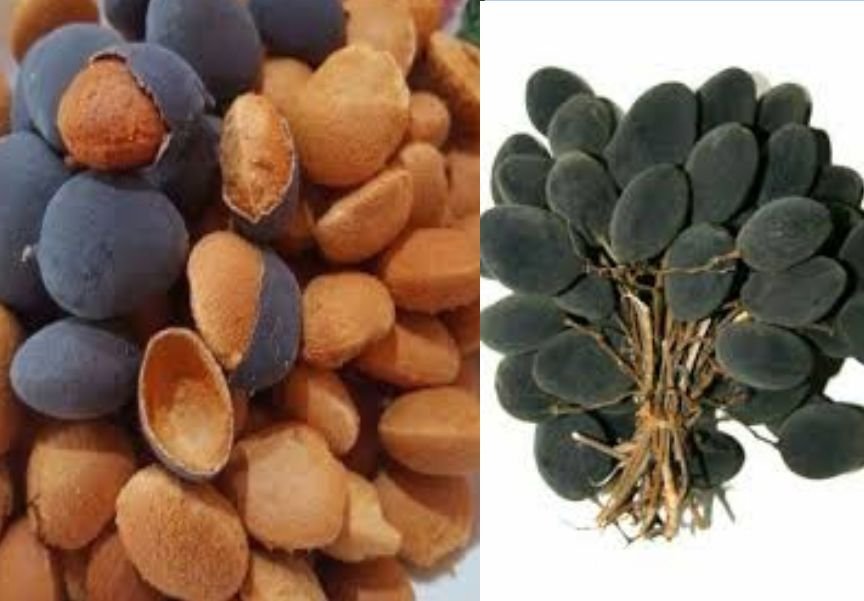
Black velvet tamarind – Icheku was never something I discovered as a kid in Nigeria; it was just always there, cracked open by hand on the way home from the farm. Science is only now catching up to why it held up so well.
Icheku, or black velvet tamarind, was a childhood snack long before I knew its scientific name, Dialium guineense.
My siblings and I broke it off tree branches on the walk home from the farm.
It looks like tamarind and shares a distant family tie through the legume family, but it comes from a completely different tree.
This guide covers what velvet tamarind is, how it differs from true tamarind, and what published research says about its nutrition and possible health benefits.
Some of that research holds up, some is still early, and I name the difference clearly throughout this article.
Disclaimer: Six Herbs is an educational resource, not a medical service. Nothing in this article constitutes medical advice, diagnosis, or treatment. Always consult a qualified healthcare provider before using any herb medicinally, particularly if you are pregnant, breastfeeding, taking medication, or managing a health condition.
Table of Contents
What Is Velvet Tamarind (Dialium guineense)?
Velvet tamarind and true tamarind share only a distant botanical tie: both sit in the wider legume family, Fabaceae, but they belong to entirely different genera.
Velvet tamarind comes from Dialium guineense, while true tamarind comes from Tamarindus indica.
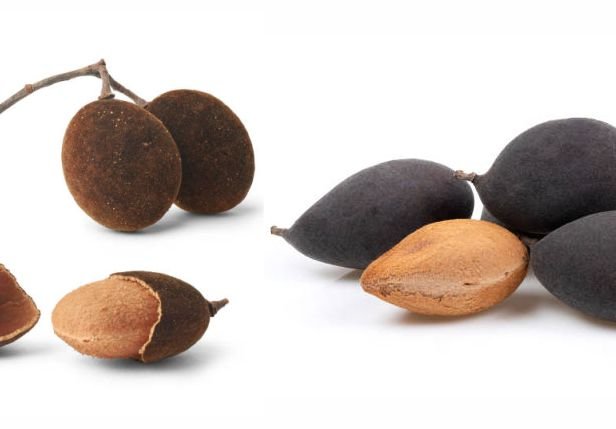
Velvet tamarind grows as a small, round fruit with a soft, fuzzy outer shell, enclosing dry, sweet-tangy pulp.
Its flesh feels far less sticky than tamarind fruit pulp, which makes it easier to eat straight from the shell as a snack.
Found mainly across West and Central Africa, the tree has become a staple of local markets and roadside stalls during the dry season.
Why It’s Called “Velvet” Tamarind
The name comes from the fruit’s soft, black, fuzzy shell, which feels smooth against your fingers.
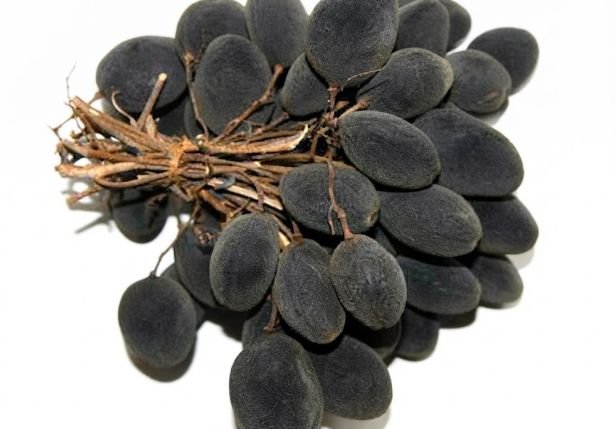
Unlike the hard, brittle shell of true tamarind pods, this gentle exterior protects a crumbly, dry pulp inside.
The velvety texture makes the pod easy to crack open by hand, which is exactly how most people in West Africa eat it: straight from the shell, no tools required.
Appearance, Taste, and Texture
Velvet tamarind pods are small and round, with a soft, slightly fuzzy shell. Inside, the pulp ranges from light to deep brown and tastes sweet with a mild tang, quite different from the sharper sourness of true tamarind.
The texture stays firm yet crumbly, which is part of what makes it work so well as a ready-to-eat snack rather than a cooking ingredient.
How Velvet Tamarind Differs From True Tamarind
Recognizing these differences helps you understand why this fruit gets treated so differently in the kitchen than true tamarind does.
- The trees: Velvet tamarind trees are smaller and hardier, native to West and Central African forests. True tamarind trees grow larger and more sprawling, found across Africa, Asia, and the Caribbean, and can live for decades.
- Leaves and flowers: Velvet tamarind leaves are rounded, dark green, and cluster densely. True tamarind leaves are larger, feathery, and grow along an open canopy.
- Pods and pulp: Velvet tamarind pods are small, round, and dry inside. True tamarind pods are long, curved, and hold sticky, sour pulp better suited to sauces and drinks.
- Seeds: Velvet tamarind seeds are small and embedded directly in dry pulp, while true tamarind seeds are larger, glossy, and wrapped in stringy fiber.
Both fruits provide fiber, vitamins, minerals, and antioxidants, though the amounts differ by species.
For the full nutrient breakdown of true tamarind pulp, see our tamarind nutrition facts page.
Velvet Tamarind Nutrition Facts
Velvet tamarind is a genuinely good source of vitamin C, and that is not just a marketing line: an analytical study of the fresh pulp confirmed measurable vitamin C alongside proximate and mineral content, detailed in this nutritional evaluation of velvet tamarind pulp.
A separate study testing the seed, pulp, and shell separately found antioxidant activity across all three parts, with the pulp carrying meaningful vitamin C content, covered in this nutritive and antioxidant evaluation.
The pulp also carries natural carbohydrates for quick energy, calcium, potassium, and magnesium.
Velvet Tamarind Benefits: What the Research Shows
This section separates what’s genuinely backed by published research on Dialium guineense from what’s still traditional practice, since the two deserve different confidence levels.
Vitamin C and immune support
This is the most solidly confirmed benefit. Both nutrition studies cited above measured confirmed vitamin C content in the pulp, supporting its traditional reputation as a natural vitamin C source.
Heart health, with an important caveat
A study testing an extract of velvet tamarind stem bark in diabetic rats found reductions in total cholesterol, triglycerides, and LDL cholesterol, alongside improved HDL levels, detailed in this cardiovascular study on Dialium guineense bark.
This is a published finding, but it tested bark extract in rats, not fruit pulp in people, so treat it as an early signal rather than proof the fruit itself lowers cholesterol in humans.
Antioxidant and broader pharmacological interest
A review of Dialium guineense research found the plant has been studied for antibacterial, antioxidant, anti-ulcer, and analgesic activity, among other properties, summarized in this review of the plant’s medicinal value.
Most of this evidence comes from lab and animal studies rather than human trials.
Digestion
Traditional use links the fiber content to easier bowel movements, though this rests on general fiber reasoning and traditional practice rather than a specific published study on velvet tamarind and digestion.
None of this amounts to proof that eating the fruit treats or prevents any condition.
Treat it as a nutritious traditional snack with some genuinely promising early research behind it, not a supplement with confirmed medicinal effects.
Velvet Tamarind Tree and Growth
The trees are medium-sized with dense, dark green foliage and short, sturdy branches, native to West and Central African forests.
They thrive in tropical climates with well-drained soil, and their compact size suits both small farms and forested land.
Pods begin as tiny blossoms and gradually swell into small, round fruits over several weeks, with the pulp thickening and drying as it matures.
Harvest happens during the dry season, when the shell softens and the pulp reaches peak sweetness, most commonly across Nigeria, Ghana, and Cameroon.
Taste and Culinary Uses
Fresh pods make a ready-to-eat snack straight from the shell, soft and immediately flavorful.
Dried pods concentrate the sweetness and work well in candies or preserves.
To make juice, crack the pods, remove the seeds, and soak the pulp in warm water for about ten minutes before mashing and straining; the result can be sweetened or mixed with spices.
For how the same process differs with true tamarind, see our tamarind tea and drink guide.
The pulp also works well stirred into chewy candies, sweet-spicy snacks, and light sauces, adding tang without overpowering other ingredients.
Traditional Medicine Uses
Communities across West Africa have long used velvet tamarind pulp, seeds, and leaves in herbal tonics for digestion, hydration, and general wellness.
Leaves and seeds sometimes get brewed into teas for mild ailments, a practice passed down through generations rather than tested in clinical trials.
As the review cited above shows, modern research has started examining some of these traditional uses, though most findings remain preliminary.
Storage Tips
Keep whole pods in a cool, dry place away from direct sunlight and moisture; stored this way, they last several weeks.
Once you extract the pulp, store it in a sealed container in the refrigerator, where it keeps for two to four weeks.
Juice should stay cold and tightly covered for the best flavor. Freezing pulp or juice extends usability for several months without a major loss of flavor.
Conclusion
Velvet tamarind earned its place in my childhood before any label called it a superfood, and that simple snack still holds up.
It is not a variety of true tamarind, but a different tree, sharing a distant tie through the legume family.
Nutrition data confirms vitamin C and mineral content, while the heart-health findings come from animal research on the bark, not the fruit, so treat them as early, not settled.
If you manage a health condition, check with your provider before trying concentrated extracts. See our tamarind guide next.
Frequently Asked Questions
Is velvet tamarind the same as regular tamarind?
No, velvet tamarind (Dialium guineense) and true tamarind (Tamarindus indica) are two different trees within the same broad legume family, with distinct pods, pulp, texture, and flavor overall.
What are the health benefits of velvet tamarind?
Velvet tamarind is a confirmed source of vitamin C and minerals, and early animal research on its bark suggests heart benefits, though human clinical trials remain entirely absent.
Can you eat velvet tamarind raw?
Yes, the dry, powdery pulp is eaten straight from the cracked shell as a ready-to-eat snack, with no cooking or preparation needed beforehand, making it a dry-season treat.
How long does velvet tamarind last in storage?
Whole pods keep for several weeks at room temperature, refrigerated pulp lasts two to four weeks, and frozen pulp stays usable for several months without losing much flavor.

Chims Clements writes about herbs from personal experience and careful research. Growing up in Aba, Nigeria, moringa and tamarind were everyday household plants long before they became globally recognised superfoods. He uses both regularly in his home today. At Six Herbs he goes deep on moringa, tamarind, fenugreek, and sea moss — building honest, experience-backed content that separates what tradition knows from what science confirms. The content on this site is for informational purposes only and is not medical advice. Always consult a healthcare provider before using herbs medicinally.